10 things your used decaf coffee grounds can do that are more useful than the bin
Every morning you make a cup of something excellent, drink it, feel better about the world, and then throw the spent grounds in the bin as though they have done their job and are no longer your concern. They have not done their job. They have barely started. Used decaf coffee grounds are one of the most quietly useful substances in your kitchen and the bin is a waste of them that would make a compost heap weep with frustration.
Here are ten things they can actually do, ranked by how surprised you will be that you did not already know this.
1. Feed your garden
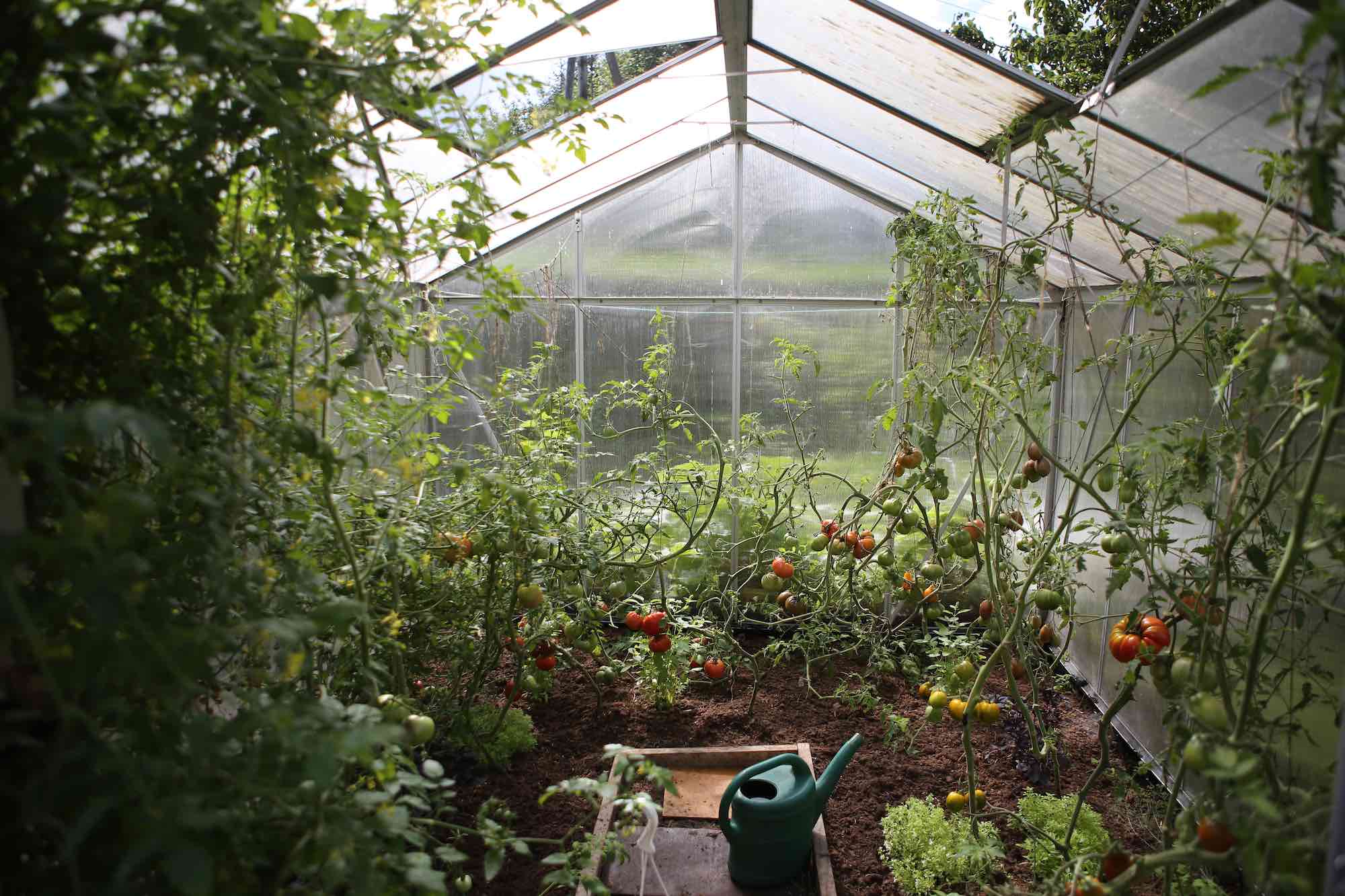
Coffee grounds are high in nitrogen, which plants need for healthy growth in roughly the same way your brain needs a morning cup of decaf to achieve basic human function. Work them into your soil before planting and your plants will respond with the enthusiasm of something that has been handed exactly what it needed without having to ask twice. Acid-loving plants such as blueberries, roses and azaleas are particularly fond of them.
2. Keep slugs and snails out without killing them
Slugs and snails dislike crossing a barrier of coffee grounds. The texture and acidity are deterrents without being fatal, which means you can protect your hostas while maintaining a clean conscience about the local mollusc population. Sprinkle a ring around vulnerable plants. Refresh after rain. Marvel at the simplicity of it.
3. Use as mulch
With summers getting progressively more dramatic, a layer of mulch in your flower or vegetable beds prevents water from evaporating before the plants get to use it. Coffee grounds make excellent mulch and release nutrients into the soil as they break down. This is the kind of thing that sounds like effort until you realise it takes thirty seconds and saves you both water and dead plants.
4. Accelerate your compost
Coffee grounds are high in nitrogen and full of the electrolytes that promote microbial activity in compostable material. Adding them to your compost heap is essentially giving the micro-organisms in there a round of drinks and telling them to get on with it. The heap will thank you by becoming useful soil considerably faster than it would otherwise.
5. Clear icy paths in winter
Coffee grounds sprinkled on icy paths and pavements do two things. The gritty texture provides traction so you do not perform an unscheduled impression of Bambi on ice. The chemical composition prevents refreezing in a similar way to road grit. This is the kind of information that is completely useless for nine months of the year and then suddenly worth its weight in coffee.
6. Scrub pots and pans
The abrasive texture of coffee grounds makes them an effective natural scourer for stubborn residue in pots and pans. They will not scratch non-stick surfaces if used gently, they rinse away cleanly and they smell considerably better than most commercial cleaning products. Apply with a cloth, scrub, rinse, congratulate yourself on your resourcefulness.
7. Eliminate fridge smells
Coffee grounds absorb odours in the same way baking soda does, which is to say extremely effectively and without any of the faff of remembering which shelf you put it on six months ago. The nitrogen in the grounds absorbs sulphurous smells in particular, which covers the vast majority of things that make a fridge smell like a fridge. Put a small bowl of dry used grounds in the back of your fridge. Replace monthly. Done.
8. Exfoliate your skin
Coffee grounds are roughly the texture of very fine sand and work as a natural exfoliant for removing dead skin cells and unclogging pores. The caffeine in regular coffee grounds has additional skin-tightening effects that decaf grounds do not have in the same concentration, but the physical exfoliation is identical and entirely free. Mix with a little water or coconut oil and use as a body scrub. You will feel like someone who has paid forty-five pounds for a product that is essentially this.
9. Rub into meat before cooking
Coffee grounds make an exceptional dry rub for meat. The acidity tenderises the meat while the flavour compounds add a smoky, complex depth that works particularly well on brisket, steak and lamb. Mix with salt, pepper and whatever spices seem appropriate, press into the meat and leave for at least an hour before cooking. This is a legitimate culinary technique used by actual chefs and not simply something someone invented because they ran out of paprika.
10. Deter ants indoors
Place small bowls or cups of used grounds near areas where ants are active inside your home. The acidic properties of coffee disrupt the chemical trails that ants use to navigate, which is the polite way of saying it confuses them comprehensively. Refresh every few days. This works without spraying anything toxic anywhere near your kitchen surfaces, which is the kind of outcome worth pursuing.
Frequently asked questions
Can you use decaf coffee grounds in the garden?
Yes, exactly as you would use regular coffee grounds. The nitrogen content, pH and physical properties are essentially the same. Decaf grounds are excellent as fertiliser, mulch, compost accelerator and slug deterrent. The absence of caffeine makes no difference to your garden whatsoever.
Are coffee grounds good for all plants?
Coffee grounds are particularly good for acid-loving plants including blueberries, roses, azaleas and tomatoes. They are less suitable for plants that prefer alkaline soil. Used in moderation as part of compost or mulch rather than applied directly in large quantities, they benefit most garden plants.
How do I dry coffee grounds for use around the house?
Spread used grounds on a baking tray or piece of newspaper and leave to dry at room temperature for a day or two. Dry grounds are better for most household uses including fridge deodorising and skin exfoliation. For garden use, wet or dry both work well.
Can coffee grounds go down the sink?
No. Coffee grounds accumulate in pipes and contribute to blockages over time. They should go in the compost, the garden, the bin or one of the ten uses above. The sink is not on the list.
The grounds that made your excellent cup of decaf coffee this morning have at least nine more jobs ahead of them. Let them get on with it.