
Best decaf espresso coffee in the UK for rich crema
Decaf espresso can produce proper crema, full body and a balanced shot when the coffee, grind and extraction are right. I Love Decaf’s espresso suitable coffees are roasted for flavour first and available as whole beans or Fine Ground for domestic espresso machines, portafilters and moka pots.
Choose organic Swiss Water decaf, Mountain Water coffee, a darker Brazilian roast or a Colombian sugar cane decaf. Every option below has been selected for how it behaves under pressure, because an espresso machine exposes weak coffee with the enthusiasm of a disappointed Italian waiter.

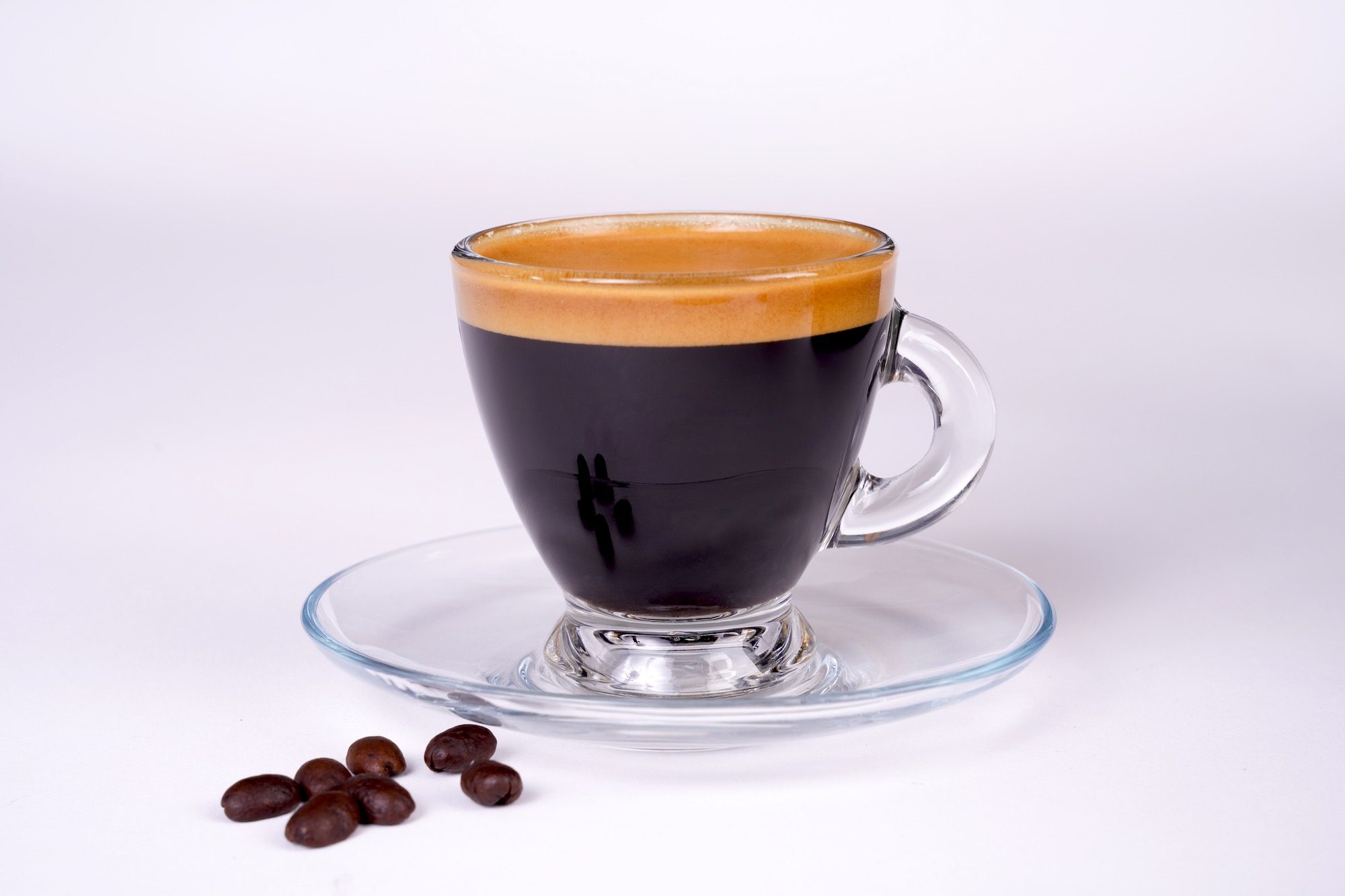
Can decaf espresso produce crema? Yes.
Crema forms when pressurised water releases carbon dioxide and emulsifies oils from freshly roasted coffee. Decaffeination does not prevent this. Freshness, roast development, grind, dose, basket preparation, water temperature and pressure all affect the result.
A thick golden layer can look glorious but it is not a complete quality score. Taste the shot. Good decaf espresso should be balanced, sweet enough to drink and strong enough to hold its ground in milk.
The best I Love Decaf coffees for espresso
These four coffees are the clearest espresso choices in the current range. All are available as beans, Ground or Fine Ground in 250g, 500g and 1kg bags. Prices and customer ratings were checked on 17 July 2026.
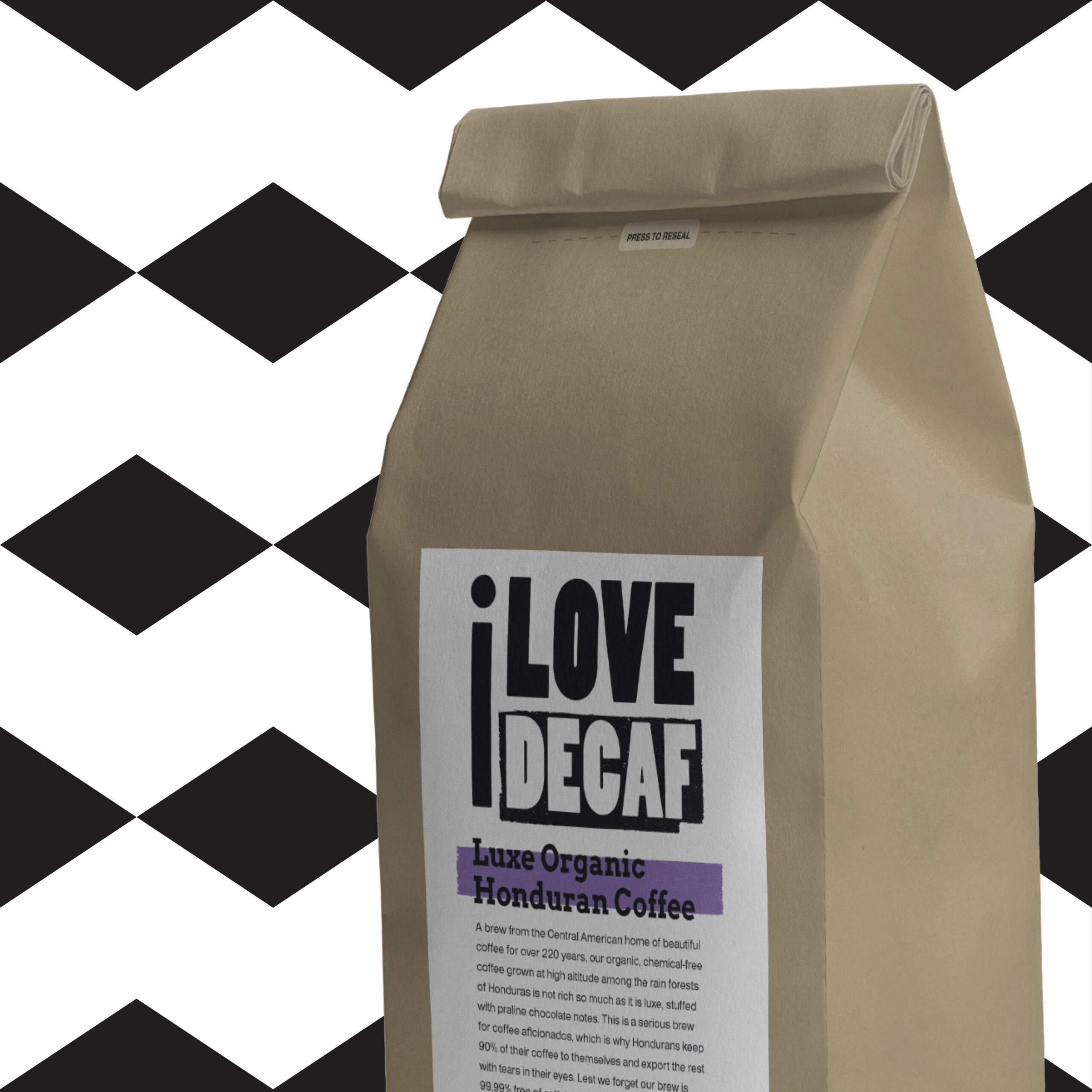
Luxe organic
Best reason to choose it: Organic espresso, milk drinks and maximum crema
Roast and taste: Medium roast, full body and praline chocolate
Decaf method: Organic Swiss Water, Honduras
Crema: Maximum
Current price and rating: £10.26 to £28.76, rated 4.64 from 88 ratings
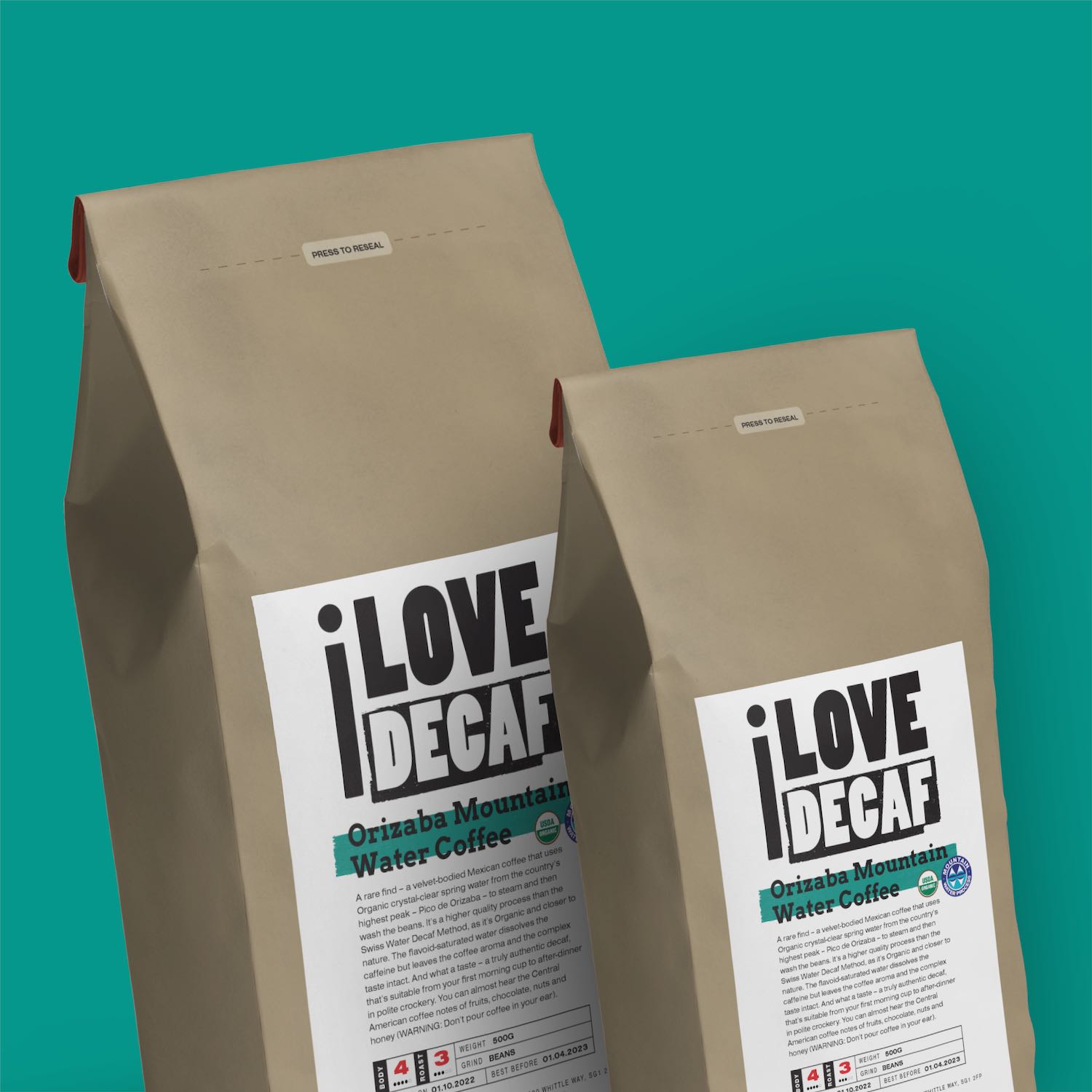
Orizaba
Best reason to choose it: Rich, strong espresso with a rounded finish
Roast and taste: Medium roast, full body and rich flavour
Decaf method: Mountain Water, Mexico
Crema: Maximum
Current price and rating: £8.99 to £28.49, rated 4.66 from 62 ratings
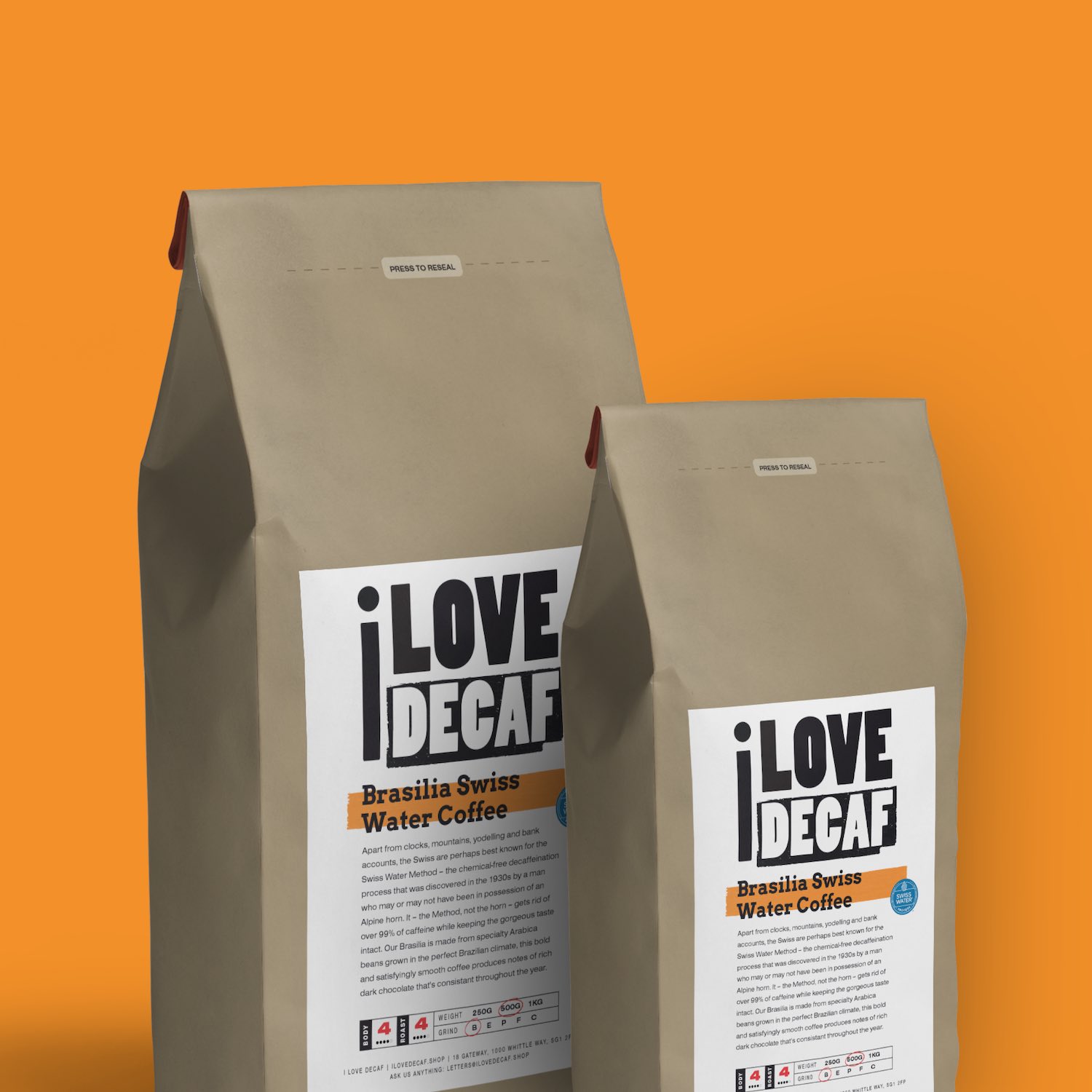
Brasilia
Best reason to choose it: Dark espresso and coffee that must stand up to milk
Roast and taste: Dark roast, full body, rich and strong
Decaf method: Swiss Water, Brazil
Crema: Average
Current price and rating: £10.96 to £31.99, rated 4.67 from 66 ratings
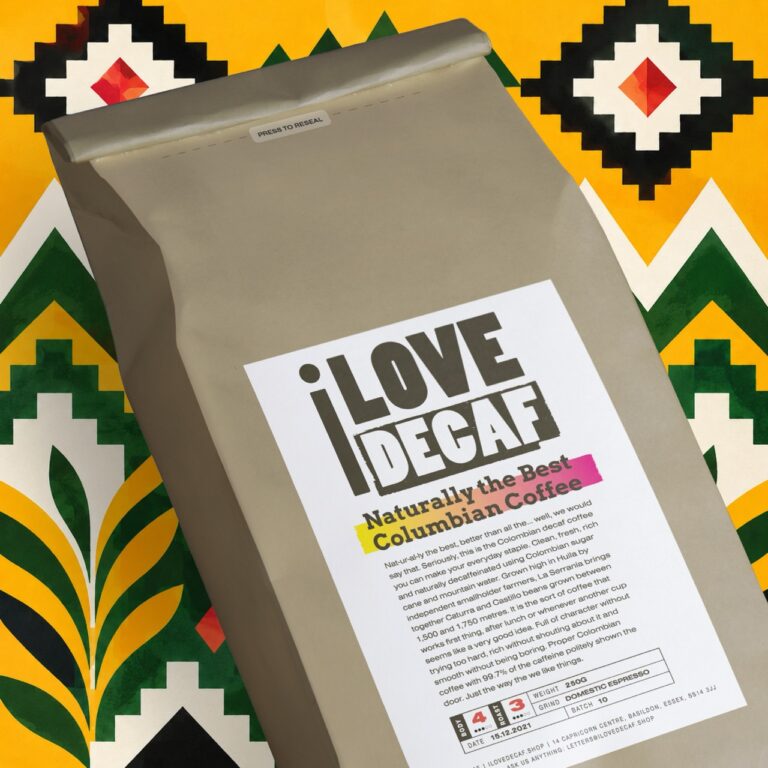
Naturally the Best
Best reason to choose it: Everyday Colombian decaf for espresso and longer brews
Roast and taste: Medium roast, medium body, smooth and rich
Decaf method: Natural EA sugar cane process, Colombia
Crema: Maximum
Current price and rating: £10.46 to £29.16, rated 5.00 on the current listing
Comparison table
| Coffee | Best reason to choose it | Roast and taste | Decaf method | Crema | Current price and rating |
|---|---|---|---|---|---|
| Luxe organic | Organic espresso, milk drinks and maximum crema | Medium roast, full body and praline chocolate | Organic Swiss Water, Honduras | Maximum | £10.26 to £28.76, rated 4.64 from 88 ratings |
| Orizaba | Rich, strong espresso with a rounded finish | Medium roast, full body and rich flavour | Mountain Water, Mexico | Maximum | £8.99 to £28.49, rated 4.66 from 62 ratings |
| Brasilia | Dark espresso and coffee that must stand up to milk | Dark roast, full body, rich and strong | Swiss Water, Brazil | Average | £10.96 to £31.99, rated 4.67 from 66 ratings |
| Naturally the Best | Everyday Colombian decaf for espresso and longer brews | Medium roast, medium body, smooth and rich | Natural EA sugar cane process, Colombia | Maximum | £10.46 to £29.16, rated 5.00 on the current listing |
How to dial in decaf espresso at home
Fresh coffee matters
Coffee releases carbon dioxide after roasting. Enough retained gas helps build crema during extraction. Coffee that has been open for too long may still brew but the crema usually becomes thinner and disappears faster.
Fine does not mean dust
Espresso needs a fine, even grind that creates resistance without choking the machine. Too coarse and the shot races through. Too fine and the machine produces a bitter dribble followed by a small domestic argument.
The shot still needs dialling in
Dose, output and time work together. A reliable starting point is 18g of coffee producing about 36g of espresso in 25 to 30 seconds. Adjust by taste and flow rather than worshipping the stopwatch.

Luxe organic
The best starting point for organic decaf espresso. Luxe combines a full body, praline chocolate notes and maximum crema with certified organic and Fairtrade Honduran coffee.

Orizaba
The versatile, rich option. Orizaba is medium roasted, full bodied and strong enough for a straight shot, flat white or moka pot without turning heavy.

Brasilia
The darker roast for people who want a bold espresso or plenty of milk in the cup. Brasilia brings a full body and rich Brazilian character without tasting thin.

Naturally the Best
Naturally the Best is a speciality Colombian decaf from Huila. Its Caturra and Castillo Arabica beans are naturally decaffeinated using Colombian sugar cane and mountain water. The medium roast and medium body make it a satisfying everyday espresso.
How to dial in decaf espresso at home
Start with a repeatable recipe, use scales and change one variable at a time. Decaf has a slightly different chemical composition from coffee that has not been decaffeinated, so it can respond well to a little more coffee, a slightly finer grind or both.
The target below follows common speciality coffee practice and gives a useful starting point for a double espresso.
Starting espresso recipe
- Dose: 18g of coffee in the basket
- Output: about 36g of espresso
- Time: 25 to 30 seconds from pump start
- Temperature: begin around 93°C and adjust to taste
- Pressure: around 9 bar when the machine allows control
- Preparation: distribute the coffee evenly and tamp level
Use the machine’s recommended basket dose when it differs from 18g. A smaller domestic basket should not be bullied into holding coffee it was not designed to contain.
Dial it in without losing your afternoon
- Warm the machine, portafilter and cup
- Weigh the dry coffee
- Distribute the grounds evenly before tamping
- Start the shot and weigh the liquid output
- Stop near the target yield
- Taste before making the next adjustment
- Record the useful setting when the shot works
Whole beans give the greatest control because grind can be changed at home. Fine Ground removes the grinder from the process and works best when the chosen texture suits the basket and machine.
Decaf espresso troubleshooting
Flow and taste diagnose most espresso problems. Use the table before blaming the decaf, the weather or whichever family member last touched the grinder.
| What happens | Likely cause | Adjustment |
|---|---|---|
| The shot runs fast, looks pale and tastes sour | Grind too coarse, dose too low or uneven basket preparation | Grind finer, add a little coffee or improve distribution |
| The shot barely moves and tastes harsh | Grind too fine or dose too high | Grind coarser or reduce the dose |
| Crema is thin and disappears quickly | Coffee may be stale, the shot may be too fast or the basket may be unsuitable | Use fresher coffee, slow the shot and check the basket |
| The espresso sprays from one side | Channelled puck caused by uneven distribution or a tilted tamp | Break up clumps, distribute evenly and tamp level |
| The shot tastes bitter despite a normal time | Output may be too high or temperature too hot | Stop the shot earlier or reduce the temperature slightly |
| The shot tastes weak in milk | Coffee profile or brew ratio is too light for the drink | Choose Brasilia or Orizaba, use less output or increase the dose within basket limits |
What crema can tell you
- The coffee still contains enough gas and oils to emulsify under pressure
- The grind and puck created enough resistance for pressurised extraction
- The shot has at least achieved the visual appearance of espresso
Crema colour and thickness vary with roast, coffee variety, age and extraction. Darker coffee often produces a deeper layer, while lighter coffee may produce a thinner but sweeter shot.
What crema cannot tell you
- Whether the espresso is balanced
- Whether the coffee is fresh enough to taste good
- Whether bitterness has been mistaken for strength
- Whether the beans were sourced and roasted well
Taste remains the useful test. Crema is evidence, theatre and part of the texture. It is not an alibi for bad espresso.
Beans or Fine Ground for espresso?
Choose whole beans when you own a capable burr grinder and want to adjust extraction as the coffee ages, the weather changes or the machine decides to become emotionally complicated.
Choose Fine Ground when convenience matters and your domestic machine works well with a prepared espresso texture. The right dose and basket remain important because machines differ.
Choose standard Ground for cafetière and slower brewing. It is normally too coarse for a traditional unpressurised espresso basket.
Good decaf espresso starts before the machine
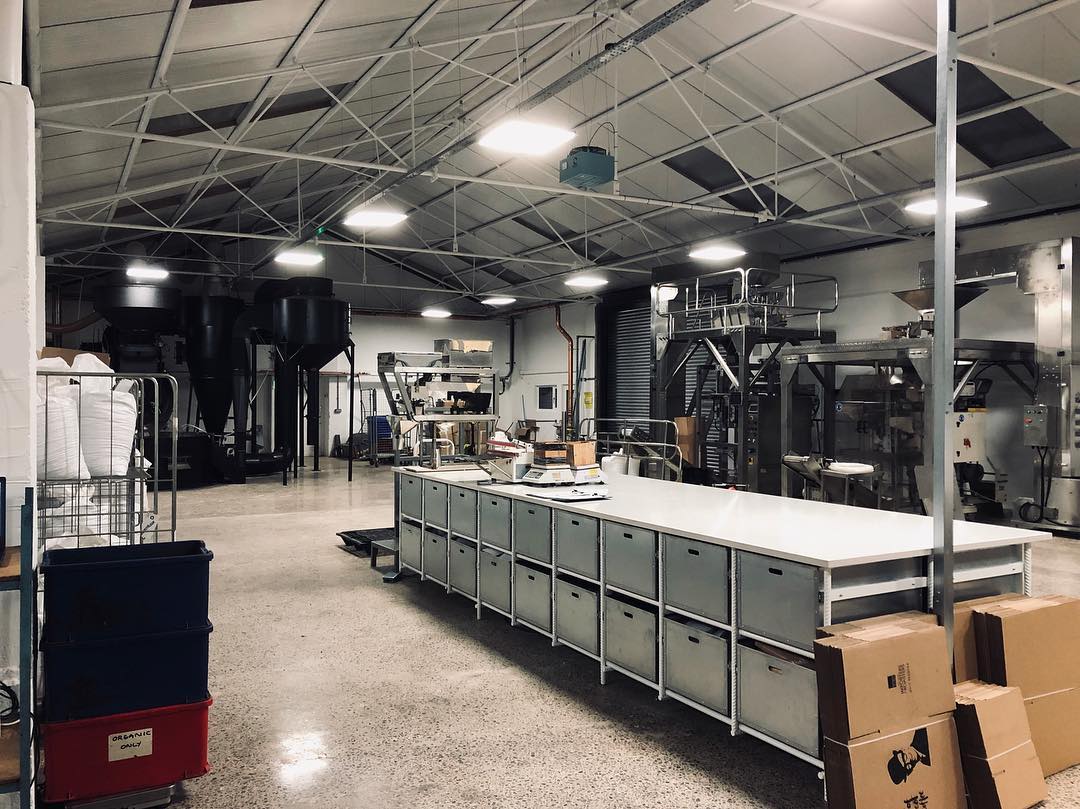
The espresso machine can reveal flavour but it cannot invent it. I Love Decaf starts with Arabica coffees selected for body, sweetness and character, then uses the decaffeination process specified for each product.
Luxe and Brasilia use Swiss Water processing. Orizaba uses the Mountain Water method and Naturally the Best uses the Natural EA sugar cane process. Roasting then develops the body and solubility needed for espresso before the coffee is supplied as beans or the selected grind.
Decaf still contains a small residual amount of caffeine. The precise claim varies by coffee and process, so use the individual product page when a specific caffeine figure matters.
Real decaf espresso. Real crema.
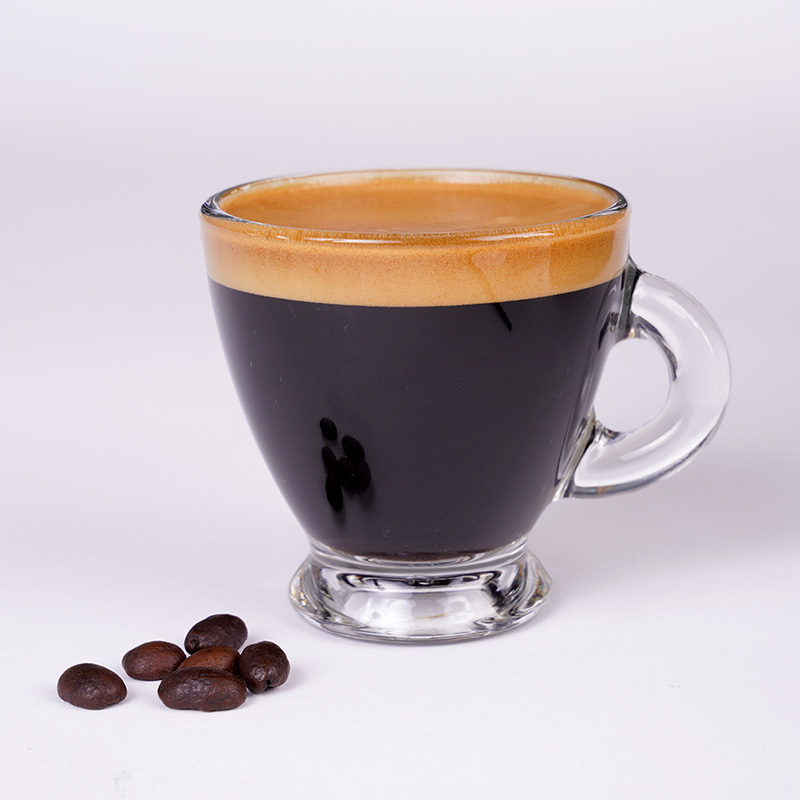
The photographs below show I Love Decaf coffees extracted through domestic espresso equipment. No foam was added and no caffeinated stunt double was invited onto the set.


Tested by an espresso drinker
The beans gave a lot of crema during the extraction in my Oracle espresso machine. The flavour palate is quite full bodied and dark. It had an unexpected deep richness to it, which I did not expect from a decaf coffee. I could tell it did not have caffeine but I did not mind as the flavour was right.
Yu-Kuang Chou, photographer
The current product pages also carry substantial customer evidence: Luxe has 88 ratings, Brasilia has 66 and Orizaba has 62. Independent Trustpilot evidence currently shows I Love Decaf at 4.8 out of 5 from 187 reviews.
How this page was checked
Last updated 17 July 2026. Written and reviewed by David Holly, founder of I Love Decaf. Product prices, ratings, roast levels, flavour profiles, decaf methods, crema levels and grind options were checked against the current I Love Decaf product listings.
Decaf espresso questions
Can decaf espresso produce crema?
Yes. Crema forms when pressurised water releases gas and emulsifies coffee oils. Fresh coffee, the right grind, an evenly prepared basket and a balanced extraction all help.
What is the best I Love Decaf coffee for maximum crema?
Luxe organic, Orizaba and Naturally the Best are currently listed with maximum crema. Luxe is chocolatey and organic, Orizaba is rich and strong and Naturally the Best is a smooth, rich Colombian coffee.
Which decaf espresso is best with milk?
Brasilia is the darkest and boldest option. Orizaba and Luxe also have enough body to work well in flat whites, cappuccinos and lattes.
Should I order beans or Fine Ground?
Order beans when you own a burr grinder and want to dial in the shot precisely. Choose Fine Ground for convenience when the prepared espresso grind suits your machine and basket.
What espresso recipe should I start with?
Begin with 18g of coffee and aim for about 36g of espresso in 25 to 30 seconds. Use the dose recommended for your basket when it differs and adjust by taste.
Why does my decaf espresso run too fast?
The grind may be too coarse, the dose may be too low or water may be channeling through an uneven puck. Grind finer, increase the dose within the basket limit or improve distribution.
Why is my decaf espresso bitter?
The shot may be running too slowly, producing too much liquid or using water that is too hot. Grind coarser, stop earlier or reduce the temperature slightly.
Why is there no crema on my decaf espresso?
Coffee age, grind, dose, basket type and extraction speed can all reduce crema. Use fresher coffee, check the grind and ensure the shot is not racing through.
Can I use decaf espresso grounds in a bean to cup machine?
Use pre-ground coffee only when the machine has a separate bypass chute designed for it. Never pour ground coffee into the bean hopper.
Can I use Fine Ground decaf in a moka pot?
Yes. Fill the basket level without tamping, use moderate heat and remove the pot before the coffee begins to spit and bubble aggressively.
Is crema proof that espresso tastes good?
No. Crema is useful visual evidence of pressurised extraction but the shot still needs to taste balanced. A beautiful layer can sit on top of bitter or sour coffee.
Is decaf espresso completely caffeine free?
No. Decaffeination removes most caffeine but a small residual amount remains. The precise level depends on the coffee and process.
More useful decaf guidance
- Best decaf coffee in the UK — compare coffees across formats and jobs.
- Best decaf coffee beans — whole-bean picks for espresso and beyond.
- Complete guide to decaf coffee — caffeine, methods, health and myths.
- Swiss Water decaf coffee — process explained and current range.
- Insider’s checklist — what makes a decaf bean actually “best”.
- Iced decaf at home — cold brew and summer cups.
Proper espresso. Quiet nervous system.
Choose the coffee profile, select beans or Fine Ground and start with a measured recipe. The result should have body, flavour and crema without turning the rest of the day into an unwanted electrical experiment.
Also useful: best decaf coffee beans in the UK and the complete guide to decaf coffee.