It is easy to find stories declaring that decaf is taking over the world. The difficult bit is checking whether those stories tell us anything reliable about British shoppers. A US or global coffee survey cannot automatically be used to describe the UK market. Different countries have different coffee habits, retailers and survey populations.
This article once presented overseas research as evidence of a UK decaf revolution. The useful replacement is to separate measured British developments from interesting but less directly relevant international commentary.
What UK decaf developments can we actually verify?
The Grocer reported Union’s Half Caff launch in February 2026, with a British supermarket distribution plan. Taylors announced another Half Caff launch into Sainsbury’s in September 2026. Those are actual UK products arriving through named channels.
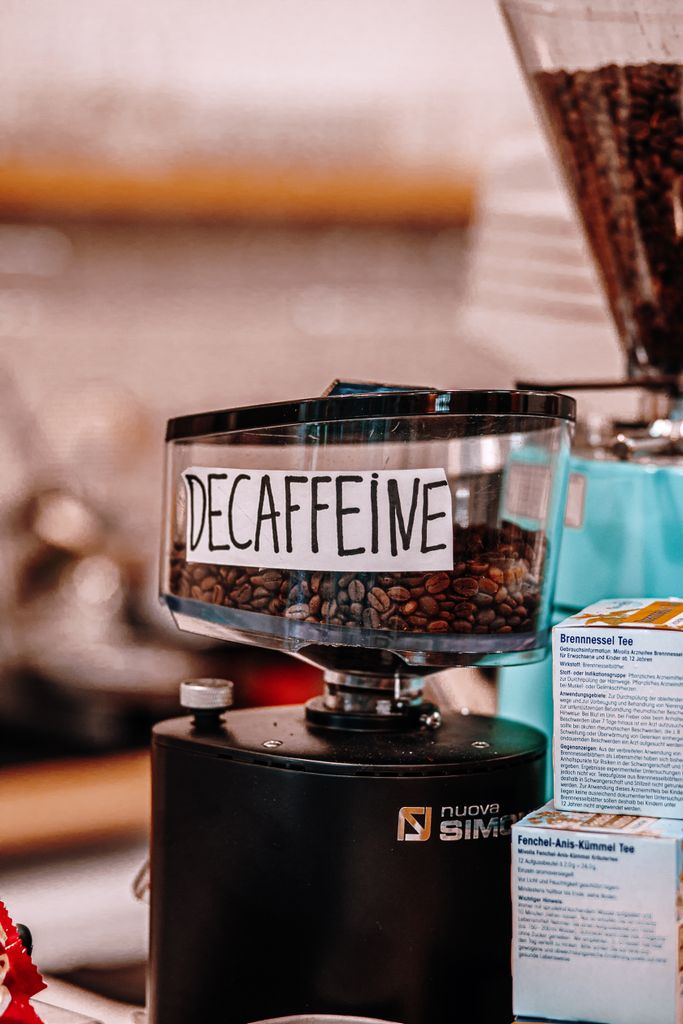
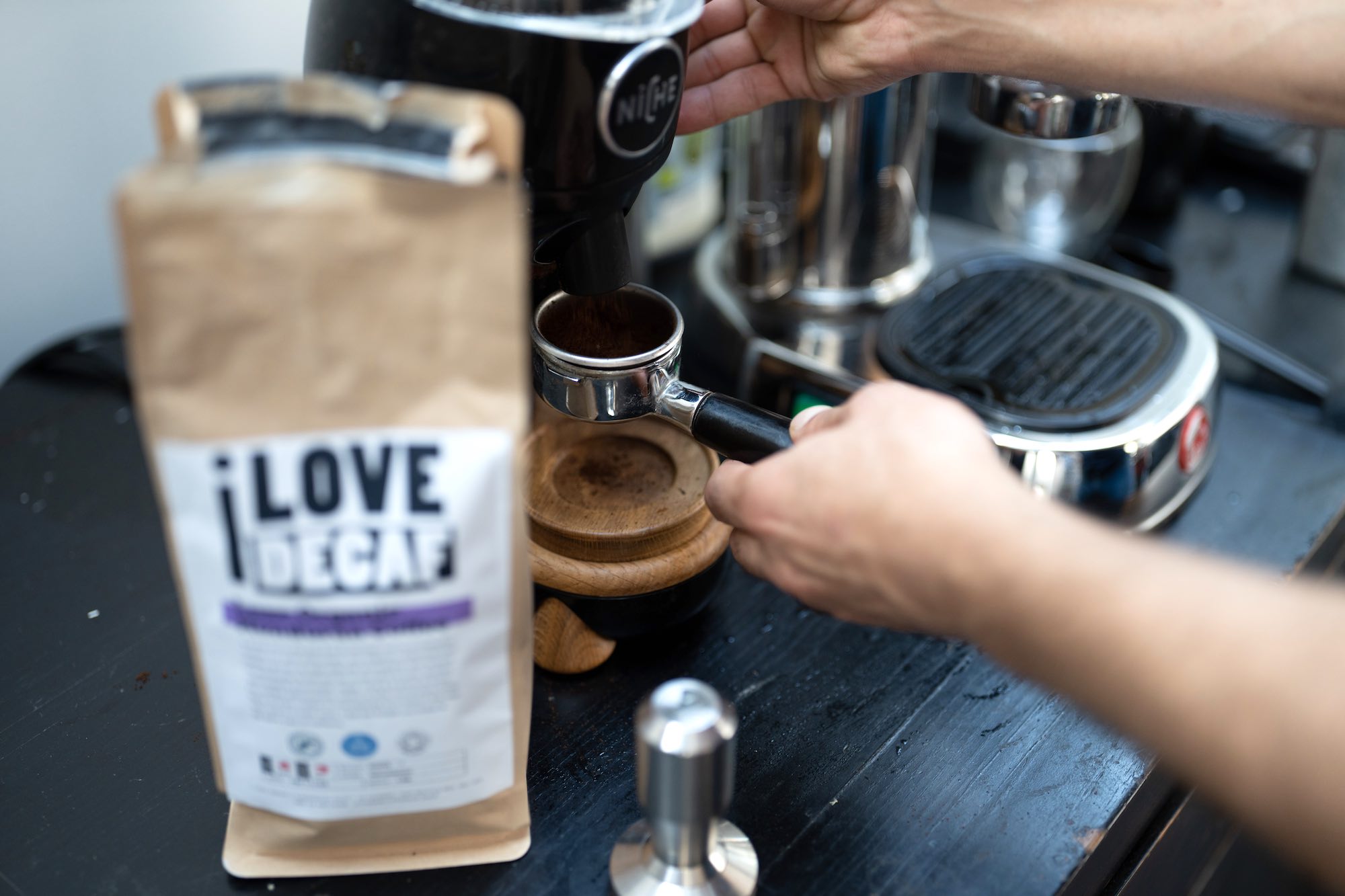
Supermarkets also offer decaf beans, ground coffee and instant options. Availability varies by postcode and retailer. These product facts are useful evidence of choice; they do not by themselves establish a national surge in volume or prove exactly which age groups are responsible.
Why doesn’t a US trend automatically apply to Britain?
A survey can be properly conducted and still be unsuitable for answering a question about another country. It might recruit participants in the United States, use different terms such as ‘half-caff’ or ask about coffee-shop drinks rather than products purchased for the home.
If someone says that a percentage of ‘coffee drinkers under forty-five’ prefer decaf, first check whether the sample is actually British, which age bands were used and what the question measured. A figure without those details is more decoration than evidence.
Does a new UK product prove demand is growing?
A product launch shows the supplier believes a range is commercially worthwhile. It does not give us independently verified sales, repeat-purchase behaviour or organic search growth. Some products succeed and others disappear from shelves.
To show a sustained UK search trend, we would need current country-filtered data over comparable periods. To show an increase in UK purchase volume, we would need relevant sales or properly designed consumer research. Without those, the honest statement is that more named options have appeared in the market.
What about claims of a decaf health revolution?
Decaf has much less caffeine than regular coffee, so choosing it may suit people who want to reduce their intake. The British Heart Foundation explains this difference and the place of decaf in a balanced diet.
It does not follow that a country with more decaf brands has reduced anxiety, solved sleep disorders or become healthier. Those are health outcomes requiring direct evidence, not inferences from coffee shelves.
How to use the trend information when buying coffee
- Check which coffees and formats are actually sold in the UK
- Compare real roast, grind and processing descriptions
- Use UK price and availability data rather than an overseas average
- Check any survey date, country, sample and question before repeating its headline
- Choose the coffee that fits your taste and equipment rather than a trend
For current options, our UK decaf buying guide compares practical routes into the range, and our half-caff guide explains the newer middle-ground format.
A better headline for British coffee
British coffee drinkers have more identifiable decaf and half-caff choices than they had on some shelves previously. Exactly how far this changes the market requires evidence. That statement is less dramatic than a worldwide revolution, but it will still be accurate after the coffee has gone cold.
Sources and correction note
Updated October 2026 against The Grocer’s Union report, its Taylors report and BHF caffeine advice. Overseas trend reports are not used here as evidence of UK purchasing behaviour.