What Time Should You Switch To Decaf Coffee?
More people are keeping regular coffee in the morning and moving to decaf after lunch. The useful question is not whether caffeine is good or bad. It is when another regular coffee stops helping the day and starts interfering with the night.
More people are keeping regular coffee in the morning and moving to decaf after lunch. The useful question is not whether caffeine is good or bad. It is when another regular coffee stops helping the day and starts interfering with the night.
Decaf is no longer one generic product. The category now includes different origins, roasts, formats and processing methods. This gives shoppers more control, but it also creates more questions. The useful answer is to connect the trend to the drink people actually want to make.
A Practical Starting Point
Early afternoon is a sensible starting point for many people, but sensitivity varies. Move the switch earlier if a later regular coffee appears to affect sleep. Decaf still contains a small amount of caffeine, so anyone following medical or pregnancy guidance should use official advice.
Make The Switch Easy
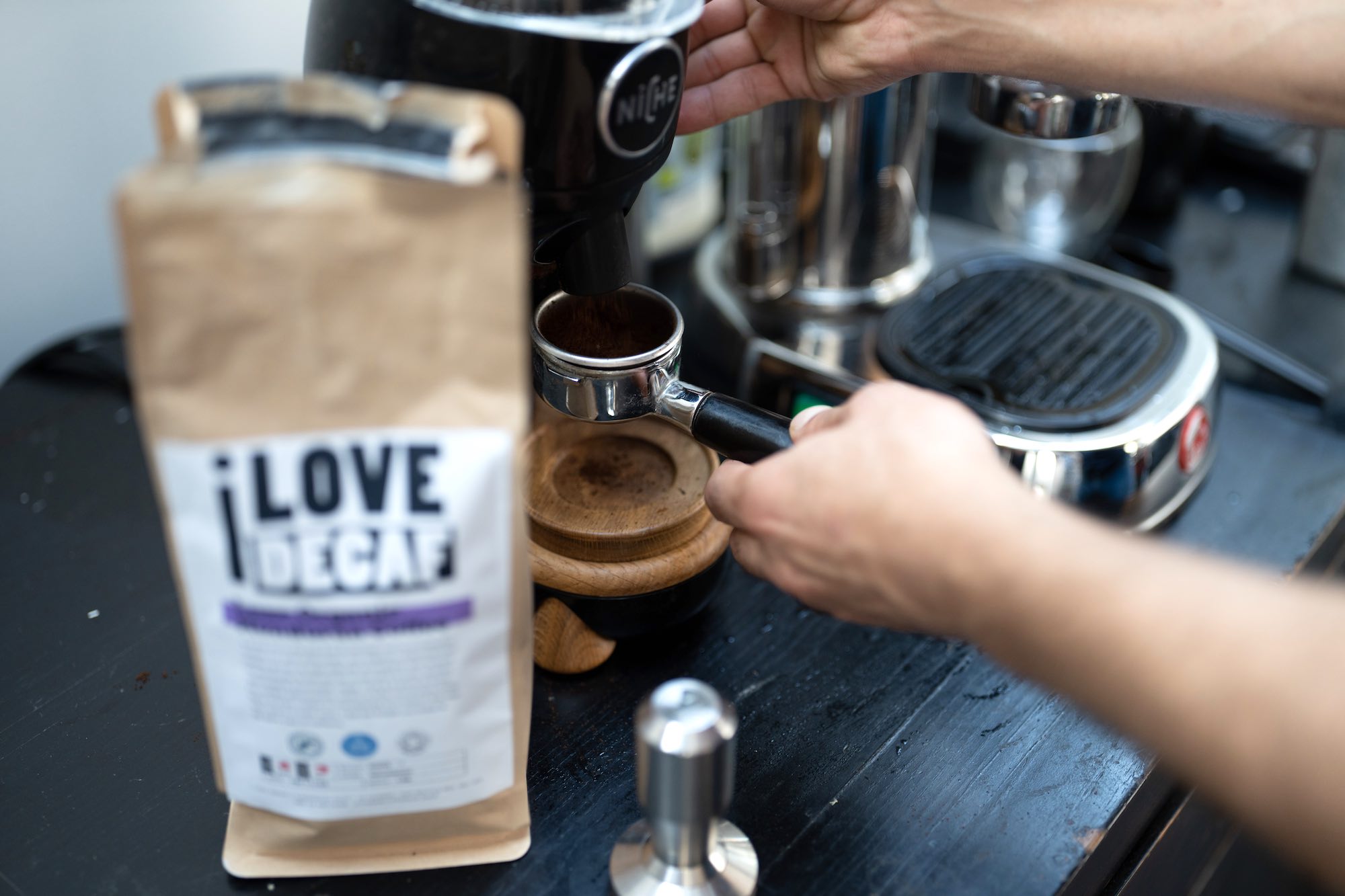
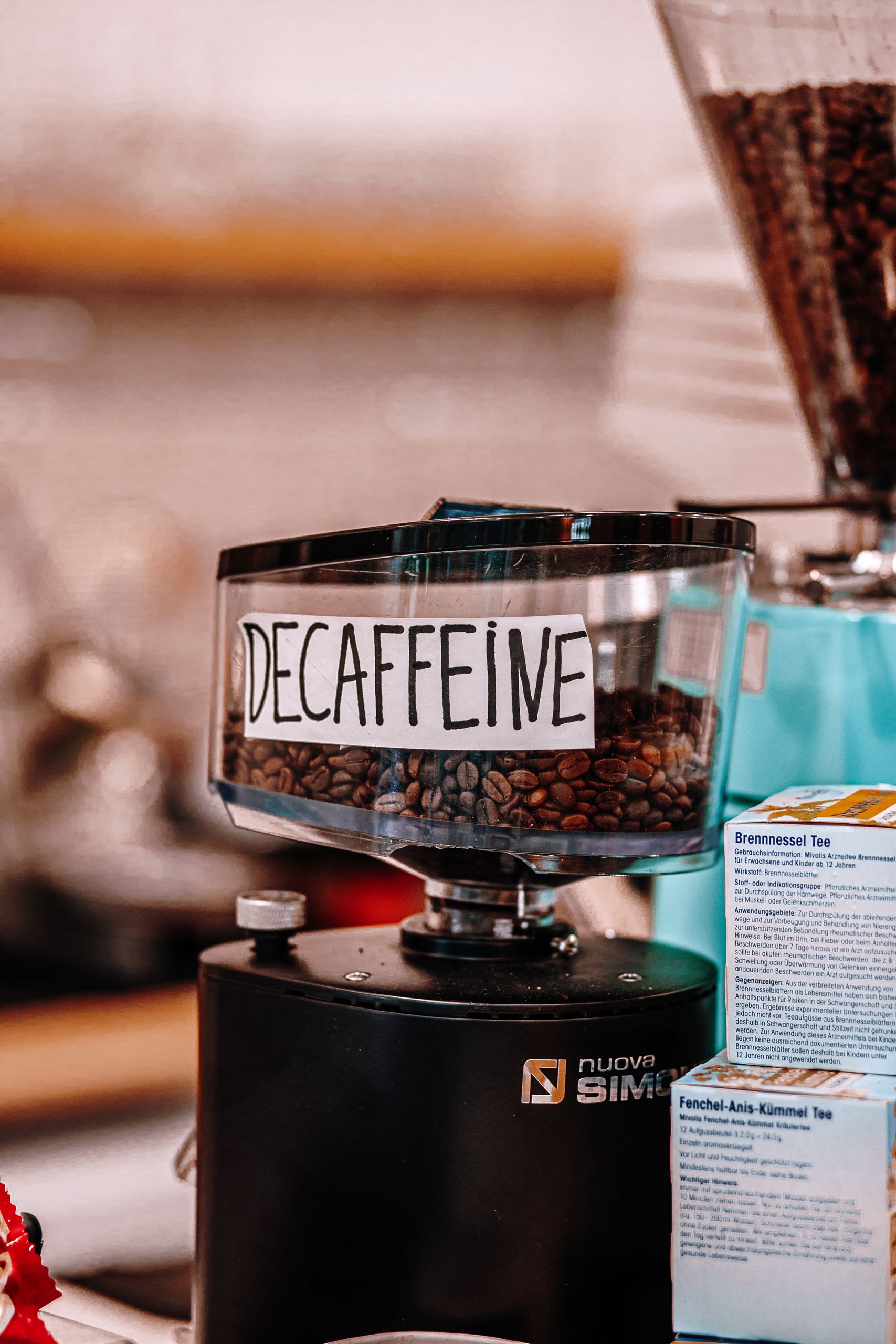
Keep regular and decaf beside the machine. Use pods for quick changes or a separate small grinder for decaf beans. Half caff is another useful route when a gradual reduction feels more realistic.
Why This Trend Matters
Decaf is growing because it now solves a practical consumer problem. People still want coffee, but they do not want every cup to carry the same caffeine level, cost, preparation time or environmental footprint. Better products give them more control without asking them to abandon the ritual.
What Shoppers Should Look For
Clear product information matters. A useful product page should explain the origin, roast, format, decaffeination process, available grind and suggested brewing method. Vague claims about smoothness or purity are less helpful than information a buyer can use.
Taste Still Comes First
No trend can rescue coffee that does not taste good. Bean quality, freshness, roasting and storage all affect the cup. A named process or fashionable format should support flavour rather than replace it. Buy an amount that can be used while fresh and store it in an airtight container.
How To Use It At Home
The best format depends on the equipment already in the kitchen. Whole beans suit grinders and bean to cup machines. Ground coffee suits cafetières, filters and moka pots. Espresso blends work for milk drinks and iced coffee. Pods offer quick single servings and easy switching.
How ILD Can Help
I Love Decaf can make the category easier by connecting each product to a clear use. Shoppers should be able to see which coffee suits espresso, filter, iced drinks, water process preferences and everyday value without opening six tabs and beginning a small research project.
A Sensible Buying Decision
Start with the drink you normally make, then choose the format and flavour that fit it. Use the decaffeination method as an additional preference rather than the only measure of quality. The best decaf is the one that tastes good, works in the equipment and fits the time of day.
Shop Decaf espresso coffee
Choose proper decaf for the way you brew and the time of day you drink it.
Practical Checklist
- Match the coffee format to the equipment
- Read the named decaffeination process where available
- Choose flavour notes that suit black coffee, milk or ice
- Buy a quantity that can be used while fresh
- Compare the cost and convenience of the finished drink
Frequently Asked Questions
What time should I switch to decaf?
Yes, current consumer and market evidence shows growing demand and wider everyday use.
Will decaf keep me awake?
Yes. The practical answer depends on the machine, recipe and personal routine.
Can I make half caff coffee?
Decaf normally contains a small amount of caffeine, but much less than regular coffee.
Is afternoon coffee always a problem?
Choose a product with clear format, process and brewing guidance rather than relying on a vague front label.
The Bottom Line
The strongest decaf trends are making the category easier to use every day. Better beans, clearer processes and more brewing formats allow people to choose coffee by flavour, caffeine level, convenience and value.
Decaf should not need an apology or a separate lifestyle. It needs a clear label, a sensible recipe and enough flavour to earn the next cup.
Sources
- NHS: How to fall asleep faster and sleep better
- EFSA: Scientific Opinion on the Safety of Caffeine
- UK Food Standards Agency / GOV.UK: Food additives (caffeine advice)
When you are ready to switch, the complete guide to decaf coffee covers what changes in the cup, and the best decaf coffee in the UK hub lists bags worth starting with.