
The complete guide to decaf coffee
Decaf coffee is ordinary coffee with nearly all its caffeine removed before roasting. The bean, origin, roast, aroma and brewing ritual remain. Only the chemical responsible for making you inspect the ceiling at 2.43am has been shown the door.
This guide explains what decaf is, how it is made, how much caffeine remains, why some cups taste excellent and others taste like damp paperwork, how to brew it properly and what current evidence says about sleep, pregnancy, children, digestion and health.
This guide is designed as a neutral reference. It includes links to detailed I Love Decaf articles where a subject needs more depth. Health information is general and cannot replace individual advice from a doctor, pharmacist, midwife or another qualified professional.

Decaf coffee in 60 seconds
The useful answer before the coffee rabbit hole opens beneath you.
What is decaf coffee?
Decaf is coffee made from green coffee beans that have had most of their caffeine removed before roasting. It is still coffee. The caffeine reduction does not turn an Arabica bean into a herbal infusion, a lifestyle statement or a beige punishment drink.
Does decaf contain caffeine?
Usually, yes. Decaffeination removes most caffeine rather than every last molecule. A brewed cup commonly contains a few milligrams, compared with roughly 80 to 100 mg in a conventional espresso or filter coffee. The actual amount varies with the bean, process, dose and serving size.
How is coffee decaffeinated?
Green beans are hydrated or steamed so caffeine can move out of the bean. Water, carbon filters, carbon dioxide or approved solvents then separate the caffeine from the coffee. The beans are dried and later roasted. Decaffeination happens before roasting because most of the familiar coffee aroma develops during roasting.
Does decaf taste different?
It can, but the quality of the original coffee, decaffeination method, roast, freshness, grind and brewing method matter more than the word decaf on the packet. Modern speciality decaf can be sweet, complex, full bodied and capable of producing proper espresso crema.
Can you drink decaf at night?
Most people can. Decaf contains far less caffeine than regular coffee, so it is much less likely to disturb sleep. Very caffeine sensitive people may still notice the residual amount, especially after several large cups. Coffee can also affect reflux or the bladder independently of caffeine.
Contents

What is decaf coffee?
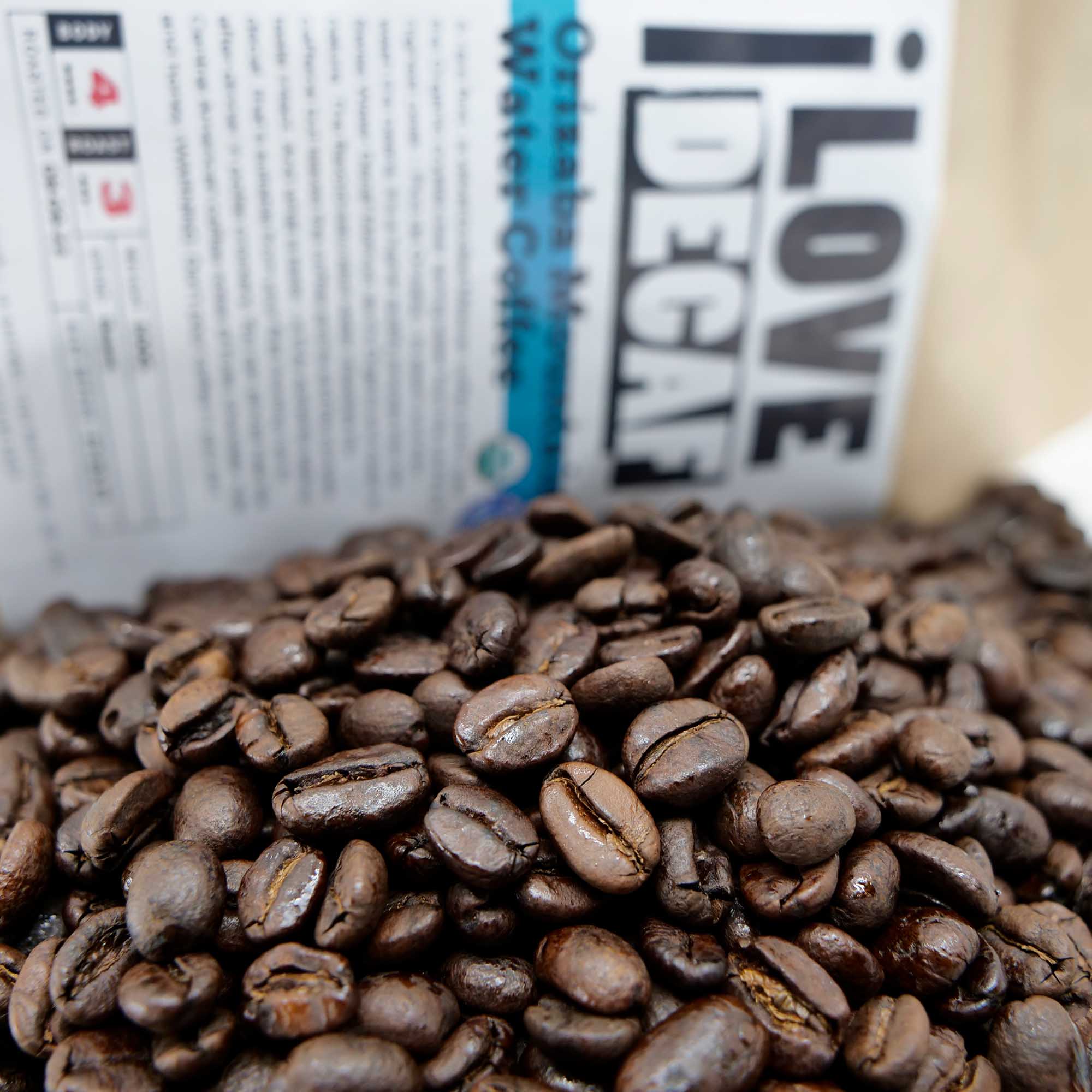
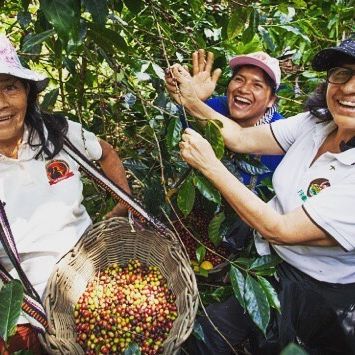
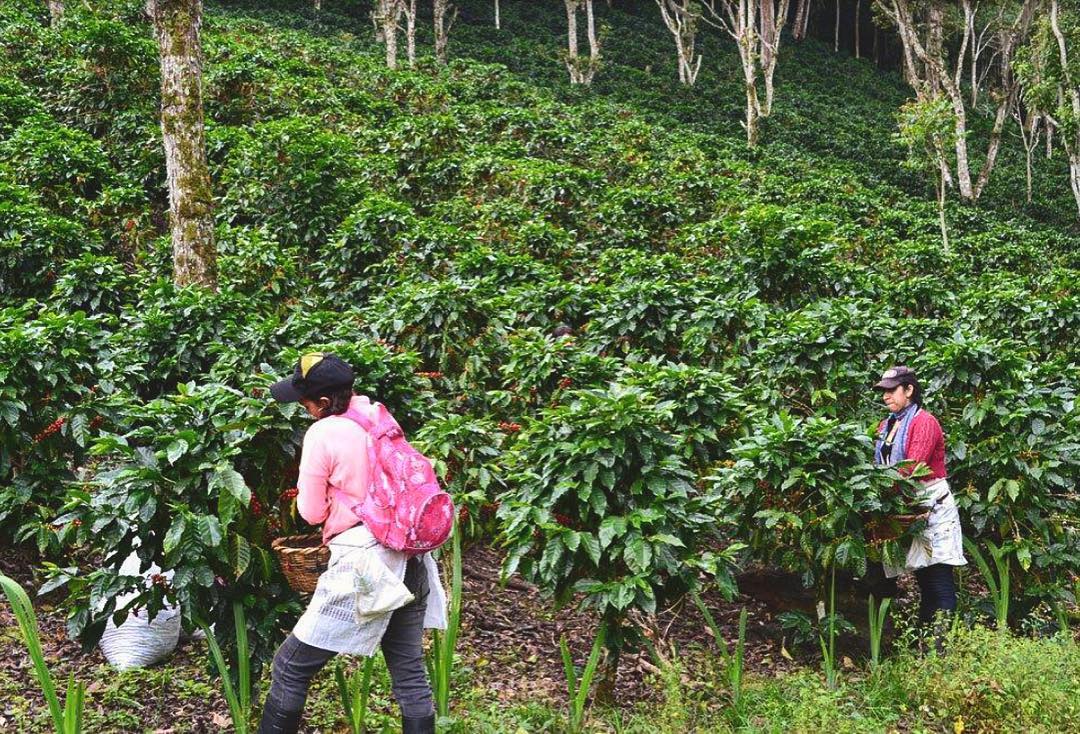
Decaf begins as normal coffee. It grows on a coffee plant, develops inside a coffee cherry and is harvested, processed and dried in much the same way as any other coffee. The important difference comes while the beans are still green and unroasted. At this stage, a specialist process removes most of the naturally occurring caffeine.
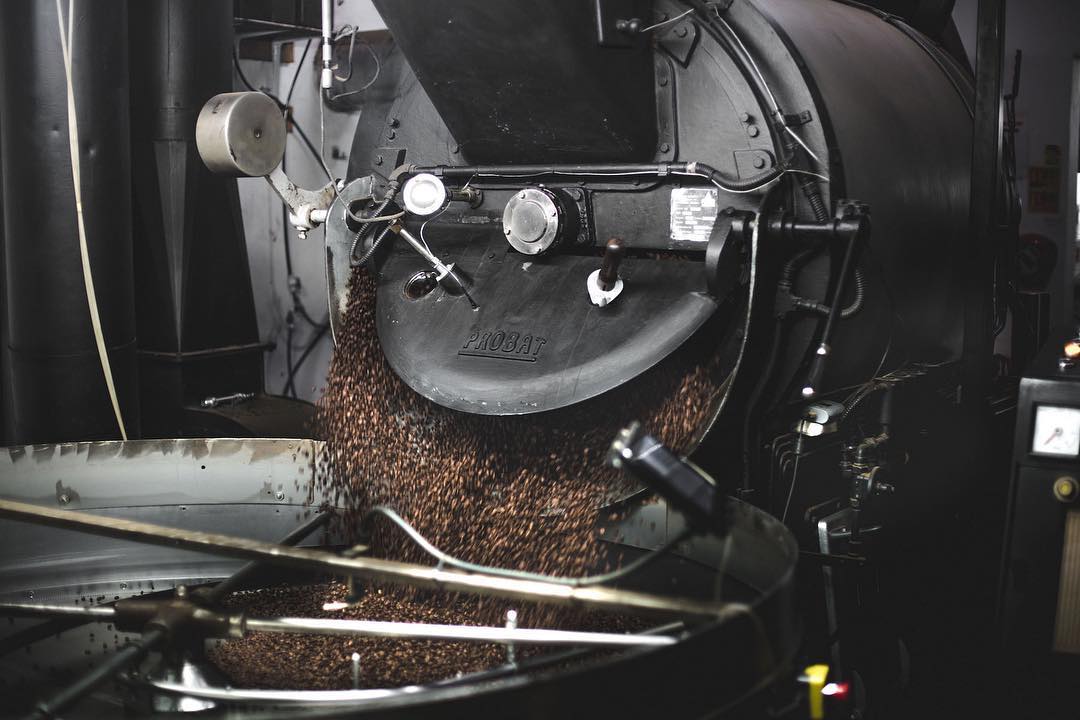
The green beans are then dried and sent to a roaster. Heat transforms the bean, develops its aroma and creates the hundreds of compounds responsible for the flavour of brewed coffee. The roaster still has to understand the origin, density, moisture and structure of the decaffeinated bean. The brewer still has to use the right grind, temperature, ratio and extraction time. None of this becomes optional because the caffeine left early.
Decaf is therefore a description of caffeine content, not a flavour. A Colombian sugarcane decaf can taste different from a Honduran Swiss Water coffee. A medium roast can taste different from a darker roast. A washed coffee from Central America can behave differently from a natural process Brazilian coffee. Asking what decaf tastes like is a little like asking what bread tastes like. The category is too broad for one useful answer.
Decaf, half caf and caffeine free
Three terms are often mixed together.
Decaf coffee has most of its original caffeine removed. A small amount generally remains.
Half caf coffee combines caffeinated and decaffeinated beans, or otherwise aims to provide roughly half the caffeine of a conventional coffee. The exact level depends on the blend and brew.
Caffeine free drinks contain no caffeine naturally. Rooibos, peppermint and many fruit or herbal infusions belong here. They are not decaffeinated because there was no caffeine to remove.
Naturally low caffeine coffee plants also exist. Some species and varieties contain much less caffeine than mainstream Arabica or Robusta. They remain rare because cultivation, yield, disease resistance, flavour and commercial supply all have to work together. Nature has developed several answers to caffeine reduction. Unfortunately, nature did not organise a reliable wholesale distribution network afterwards.
Why decaf developed a poor reputation
Most people did not decide decaf was bad after carefully comparing fresh single origin coffees brewed with controlled ratios. They met it as stale instant powder, a forgotten café option or a pre ground packet that had been open since an earlier government.
Poor decaf often starts with cheap green coffee because some producers assume the decaffeination process will flatten the flavour anyway. It may then be roasted too dark to cover inconsistencies, ground months before use and stored without much protection from air. By the time it reaches a cup, the caffeine is the least of its problems.
Modern speciality decaf takes the opposite route. It starts with coffee worth protecting, uses a carefully controlled removal process, develops a roast suited to the altered bean and treats freshness as seriously as any caffeinated coffee. The result is not a copy of coffee. It is coffee.
How much caffeine is in decaf coffee?
Decaf is low caffeine rather than automatically caffeine free. The amount in a cup varies because a cup is not a scientific unit and coffee drinkers have never shown much interest in standardising mugs.
A laboratory study of commercially prepared decaf drinks found considerable variation. Some samples contained almost no measurable caffeine while larger servings contained more than ten milligrams. The practical conclusion is simple: one ordinary decaf is a small caffeine exposure for most people, but several large cups can add up for someone who is exceptionally sensitive.
Typical caffeine comparisons
| Drink or food | Typical serving | Approximate caffeine |
|---|---|---|
| Decaf coffee | 200 to 250 ml | About 2 to 15 mg |
| Regular filter coffee | 200 to 250 ml | About 90 to 140 mg |
| Espresso | 60 ml | About 80 mg |
| Black tea | 220 to 250 ml | About 50 to 75 mg |
| Green tea | One mug | Often 30 to 50 mg |
| Cola | 330 to 355 ml | About 35 to 40 mg |
| Energy drink | 250 ml | About 80 mg |
| Dark chocolate | 50 g | Up to about 25 mg |
| Milk chocolate | 50 g | Usually below 10 mg |
| Rooibos or peppermint infusion | One mug | 0 mg unless blended with tea |
These figures are guides rather than promises. Bean species, coffee dose, brew time, serving size and brand can move the number considerably.
Why one decaf cup can contain more caffeine than another
Bean species: Robusta commonly contains more caffeine than Arabica before decaffeination. A process removing the same percentage can therefore leave different absolute amounts.
Decaffeination method and target: Different plants and contracts work to different specifications. Some water processed coffees are marketed as 99.9% caffeine free while the wider decaf category is commonly described as having at least 97% removed.
Serving size: A 500 ml drink contains more coffee than a 200 ml cup. The word decaf does not shrink the mug while nobody is looking.
Coffee dose: A stronger recipe uses more coffee. Even when each gram contains very little caffeine, using more grams can increase the total.
Brewing method: Contact time, grind and extraction affect what moves from grounds into water.
Testing variation: Coffee is an agricultural product. Laboratory results differ between origins, batches and finished drinks.
Can decaf build up during the day?
Yes, in the ordinary mathematical sense. Five cups containing 8 mg each provide about 40 mg in total. For most healthy adults this remains far below the caffeine in one conventional coffee. Someone avoiding caffeine completely for medical reasons should still check with their clinician and may prefer naturally caffeine free drinks.
The European Food Safety Authority says single doses of 100 mg may affect sleep in some adults when consumed close to bedtime. A decaf cup is generally far below that amount. Sensitivity differs, so personal experience still matters.
A brief history of decaf coffee
Decaf history begins with caffeine before it begins with caffeine removal.
In 1819, the German chemist Friedlieb Ferdinand Runge met Johann Wolfgang von Goethe. Goethe knew of Runge’s experiments with belladonna and gave him coffee beans to investigate. Runge isolated caffeine from coffee, identifying the compound connected with its stimulating effect. Goethe provided the beans. Runge did the chemistry. History gave the poet better publicity.
Commercial decaffeination arrived decades later. Ludwig Roselius, a coffee merchant in Bremen, developed and patented a process in the early twentieth century. Green beans were steamed and treated with benzene to remove caffeine. Roselius founded Kaffee HAG and helped create the first mass market for decaffeinated coffee.
The achievement was important. The solvent was not. Benzene is toxic and carcinogenic and is not used in modern decaffeination. Early decaf therefore managed to create a drink for health conscious customers using a method that later looked spectacularly ill chosen.
The move towards modern processes
The twentieth century brought several improvements.
- Solvent methods became more selective and tightly controlled
- Water processes were developed to separate caffeine while retaining coffee compounds
- Supercritical carbon dioxide allowed caffeine extraction under pressure
- Better drying protected the green bean after processing
- Roasters learned that decaf needs its own roast development
- Speciality roasters began buying better green coffee instead of treating decaf as a disposal route
The reputation moved more slowly than the technology. Consumers remembered flat instant coffee long after better processes and better beans became available. Decaf has spent years being judged for crimes committed by packets nobody sells any more.
How is decaf coffee made?
Decaffeination takes place before roasting. Green coffee is hard and dense, so the first task is to make caffeine accessible without destroying the structure that the roaster needs later.
Most processes follow a broad sequence.
1. The green coffee is assessed
Moisture, density, origin and bean condition affect how the batch should be treated. High quality decaf starts with high quality green coffee. A removal process cannot create sweetness, body or origin character that was never present.
2. The beans are hydrated or steamed
Water or steam opens the bean structure and allows soluble compounds to move. The aim is to create a route for caffeine while controlling the movement of flavour compounds.
3. Caffeine is separated
A water based extract, carbon filter, carbon dioxide or solvent selectively removes caffeine. Selectivity is the centre of the entire process. Caffeine must leave while as much of the coffee’s useful material as possible stays.
4. The beans are dried
Decaffeinated beans must return to a stable moisture level. Drying too quickly or unevenly can damage quality and shelf life.
5. The coffee is polished, checked and packed
The finished green coffee is assessed before it travels to the roaster. Certifications and traceability should remain attached to the correct lot.
6. The coffee is roasted
Decaf beans can behave differently in a roaster. Their colour may develop faster and their structure may be more fragile. Skilled roasting is needed to produce sweetness and balance without turning the outside into charcoal while the inside remains confused.
Decaffeination methods compared
No method automatically guarantees a brilliant cup. Each can produce good coffee when the original bean and processing are good. Each can produce disappointing coffee when quality control goes on holiday.
| Method | How it works | Added solvent | Typical strengths | Possible limitations |
|---|---|---|---|---|
| Swiss Water Process | Green coffee extract draws caffeine from hydrated beans through diffusion. Carbon filters remove caffeine from the extract, which is reused | No chemical solvent is added to the coffee | Clear consumer recognition, compatible with organic certification and designed to preserve origin character | Usually costs more and can still produce a poor cup if the original coffee or roast is poor |
| Mountain Water Process | Beans are steamed and exposed to a water based saturated coffee solution under controlled flow, temperature, pressure and vacuum. Caffeine is filtered from the solution | No chemical solvent is added to the coffee | Water based, often associated with Mexican facilities and capable of retaining balanced flavour | Less widely recognised by consumers and quality varies by green coffee and roast |
| Sugarcane or ethyl acetate process | Hydrated beans are repeatedly washed with ethyl acetate, which bonds with caffeine. The beans are steamed and dried afterwards | Ethyl acetate | Often performed near origin in Colombia, can preserve sweetness and create a distinctive rounded cup | The term natural can mislead because ethyl acetate can be produced in different ways and the process can influence flavour |
| Carbon dioxide process | Moist beans are exposed to pressurised carbon dioxide in a supercritical or liquid state. The carbon dioxide selectively dissolves caffeine | Carbon dioxide | Highly selective, efficient at scale and avoids chlorinated solvents | Capital intensive and more common for larger commercial batches |
| Methylene chloride direct method | Steamed beans come into controlled contact with methylene chloride, which selectively dissolves caffeine. The beans are then steamed and dried | Methylene chloride | Selective and efficient, often preserves flavour well and remains widely used | Consumer concern about the solvent, limited transparency on some packaging and regulatory debate in some markets |
| Indirect solvent method | Water first removes caffeine and flavour compounds. A solvent removes caffeine from the water, then the flavour rich water is returned to the beans | Usually methylene chloride or ethyl acetate | Reduces direct bean contact with solvent and can preserve soluble coffee compounds | More complex to explain and still relies on a solvent |
Swiss Water Process
Swiss Water uses water, temperature, time, green coffee extract and carbon filtration. The green coffee extract already contains coffee’s soluble compounds but not caffeine. When hydrated beans meet the extract, caffeine moves out through diffusion while the concentration of many other coffee compounds is balanced on both sides.
The caffeine rich extract passes through carbon filters. The filters capture caffeine and the refreshed extract returns to the process. Swiss Water states that its process removes 99.9% of caffeine and allows qualifying organic and other certifications to remain intact.
The name is a brand and process, not a general term for every coffee decaffeinated with water. It was originally developed in Switzerland, but the commercial facility is in Canada.
Mountain Water Process
Mountain Water follows a related principle but is a distinct process. Descamex in Mexico steams and prepares green beans, then extracts caffeine using a water based saturated solution of coffee solids. Flow, temperature, pressure and vacuum are controlled before the beans are gently dried and polished.
The water is commonly associated with Pico de Orizaba, Mexico’s highest mountain. The romantic version imagines someone collecting individual snowflakes in a silver jug. The industrial version involves a specialist decaffeination plant, which is less cinematic and considerably more useful.
Sugarcane or ethyl acetate process
Ethyl acetate is a compound found naturally in fruits and can be produced from fermented sugarcane derivatives. In coffee decaffeination, hydrated beans are washed with ethyl acetate so it can bind with caffeine. Repeated rinsing, steaming and drying remove the caffeine and process residues.
The process is strongly associated with Colombian coffee and can preserve or emphasise sweetness. Calling it sugarcane decaf is convenient but can create the impression that coffee is soaked in syrup. It is not. The name describes the source commonly used to produce the extraction compound.
Carbon dioxide process
Carbon dioxide behaves differently under high pressure. In a supercritical state it has properties of both a gas and a liquid and can penetrate green coffee while selectively dissolving caffeine. The caffeine is separated from the carbon dioxide, which can be reused.
The method is efficient and technically impressive. It also requires costly pressure equipment, so it is often used for larger volumes. Somewhere a scientist filled a whiteboard with equations and accidentally improved everyone’s afternoon.
Methylene chloride methods
Methylene chloride is an effective caffeine solvent and remains permitted within regulated residue limits in many markets. In a direct process, steamed beans come into contact with the solvent. In an indirect process, caffeine and flavour compounds first move into water, then the solvent removes caffeine from that water before the flavour solution returns to the beans.
Methylene chloride has recognised occupational and industrial hazards at significant exposure levels. Finished coffee is treated, steamed and roasted, leaving residues far below permitted limits when the process is properly controlled. Consumers who prefer to avoid the method can choose coffees explicitly labelled Swiss Water, Mountain Water, carbon dioxide or sugarcane process.
Which decaffeination method is best?
The most honest answer is that method matters, but it is not the whole coffee.
A good comparison considers:
- The quality and origin of the green bean
- How carefully the decaffeination plant controlled the process
- Moisture and storage after treatment
- Roast development
- Roast date
- Grind and brewing
- Personal taste
Water methods appeal to people who want a process without added chemical solvents. Sugarcane coffees often suit drinkers who enjoy sweetness and rounded fruit. Carbon dioxide can retain origin character effectively. Solvent methods can also produce clean, flavourful coffee when well managed. A logo on the packet helps, but it does not brew the cup for you.
Does decaf coffee taste different?
Decaf can taste different from its caffeinated counterpart because processing changes the green bean. Moisture moves through it, caffeine leaves and some other compounds may shift. The bean can become more porous and react differently to heat. These changes are real. They do not explain every bad cup ever made.
Taste depends on the entire chain.
The original coffee
Chocolate, nut, fruit, caramel, floral and spice notes begin with species, variety, soil, altitude, weather and post harvest processing. Decaffeination can protect or alter those characteristics, but it cannot manufacture them from a low grade bean.
The roast
Decaf often looks darker than a conventional bean at a similar roast development. Judging it by colour alone can push a roaster too far. Over roasting produces bitterness, ash and the familiar flavour note known as back of filing cabinet.
Freshness
Roasted coffee releases gases and loses aromatics over time. Ground coffee changes faster because far more surface area is exposed to air. Decaf is sometimes sold slowly and stored badly, which makes a stock rotation problem look like a category problem.
Grind and extraction
A fine grind extracted for four minutes can become harsh. A coarse grind used in a quick espresso can become sour and thin. The wrong grind can ruin excellent beans with remarkable efficiency.
Water
Hard, soft, chlorinated and stale water produce different cups. Coffee is mostly water, a fact repeatedly ignored by people who spend hundreds of pounds on a machine and then fill it from a tap that smells faintly of a municipal swimming pool.
Milk and additions
Milk can soften acidity and emphasise chocolate or caramel notes. It can also hide delicate fruit and floral characteristics. Sugar, flavoured syrups and very hot milk can overwhelm almost any coffee, decaf or otherwise.
Can decaf taste as good as regular coffee?
Yes. It may not taste identical to the caffeinated version of the same lot, but quality is not the same as sameness. A well sourced, well processed and freshly roasted decaf can be excellent on its own terms.
Types of decaf coffee
The best format depends on equipment, convenience and how quickly the coffee will be used.
Whole bean decaf
Whole beans retain freshness longer because the interior is protected until grinding. They suit bean to cup machines and anyone using a separate grinder. Whole bean gives the most control over extraction, but only when the grinder is reasonably consistent.
Ground decaf
Ground coffee is convenient and can be excellent when the grind matches the equipment and the bag is stored well. The clock begins moving faster after grinding, so buy a quantity that will be used while it still smells like coffee rather than an old envelope.
Espresso ground decaf
Fine ground coffee suits pressurised espresso equipment, moka pots and some refillable pod systems. It exposes more surface area so flavour can extract quickly. It is usually a poor choice for a cafetière because several minutes of contact can over extract it.
Filter ground decaf
Medium ground coffee suits many drip machines, pour over brewers and AeroPress recipes. The best setting still varies with filter design and brew time.
Cafetière ground decaf
Coarse ground coffee works with longer immersion. Larger particles slow extraction and reduce the amount of sediment escaping through the metal filter.
Decaf pods and capsules
Pods offer consistency and convenience. They also lock the user into a dose, grind and extraction format. Refillable systems can reduce waste and widen the choice of coffee, though results depend on filling and tamping them consistently.
Instant decaf
Instant coffee has already been brewed and dried. It wins on speed and loses some aroma during manufacturing and storage. Good instant decaf exists, but it is a different product from freshly brewed ground coffee.
Coffee bags
Coffee bags work like tea bags using ground coffee inside a permeable pouch. They are useful for travel, offices and hotel rooms where the alternative is often an unlabelled jar beside a kettle with emotional problems.
Half caf
Half caf reduces caffeine without removing it almost completely. It can suit people tapering their intake or wanting a gentler morning coffee. It is not suitable for someone trying to avoid caffeine entirely.
How to choose decaf coffee
Start with the cup you want, not the marketing term you think you are supposed to want.
Choose by flavour
Chocolate, nut and caramel: Look for medium to darker roasts, Brazilian or Central American origins and descriptions mentioning cocoa, praline, biscuit or brown sugar.
Fruit and brightness: Look for lighter or medium roasts, washed high altitude coffees and sugarcane process Colombians with citrus, berry or stone fruit notes.
Smooth and low intensity: Choose balanced medium roasts with soft acidity and a rounded body.
Bold and smoky: Choose darker roasts but expect some origin detail to be replaced by roast character.
Choose by brewing method
Espresso machine: Whole beans or espresso grind. Freshness, fine adjustment and sufficient dose matter.
Bean to cup machine: Whole beans that are not excessively oily. Very dark roasts can coat grinders and internal parts.
Cafetière: Coarse ground or beans ground shortly before brewing.
Filter or pour over: Medium ground and a coffee with enough sweetness and clarity to remain interesting without pressure extraction.
Moka pot: Fine to medium fine grind. Do not pack the basket as tightly as an espresso puck.
Cold brew: Coarse ground and a coffee with chocolate, nut or fruit character that remains clear after dilution.
Choose by decaffeination method
Choose Swiss Water or Mountain Water when avoiding added chemical solvents is a priority. Choose sugarcane decaf when you enjoy sweetness and want coffee commonly processed near origin. Consider carbon dioxide for a clean, selective process. Judge solvent processed coffee by transparent sourcing, quality control and taste rather than assuming every method produces one fixed result.
Choose by certification
Organic certification concerns agricultural and processing standards. Fairtrade certification concerns defined trading and producer standards. Rainforest Alliance and other schemes focus on their own environmental and social criteria. No logo can summarise an entire supply chain, but credible certification can provide useful evidence when the claim matters to you.
Choose by freshness
Look for a roast date or a clear freshness policy. Buy a bag size suited to your consumption. A 1 kg bag is not better value if the final third is consumed as an archaeological obligation.
Choose by honesty
Useful descriptions tell you the origin, process, roast, tasting notes and suitable brewing methods. Less useful descriptions contain four paragraphs about mist on a mountain and never mention whether the packet is beans or ground.
Best decaf coffee in the UK
Compare decaf coffees by flavour, format and the kind of cup you actually want.
Best decaf coffee beans
Choose whole beans by taste, process, roast and brewing equipment.
Decaf ground coffee
Find ground coffee matched to cafetière, filter, moka pot or espresso.
Decaf coffee for espresso
Compare coffees selected for body, extraction and proper crema.
Swiss Water decaf coffee
How the water process works and which coffees in the range use it.
Iced decaf at home
Cold brew and iced recipes for people who still want to sleep later.
Insider’s bean checklist
Fresh roast, process, origin and intent — the short buying filter.
How to brew better decaf coffee
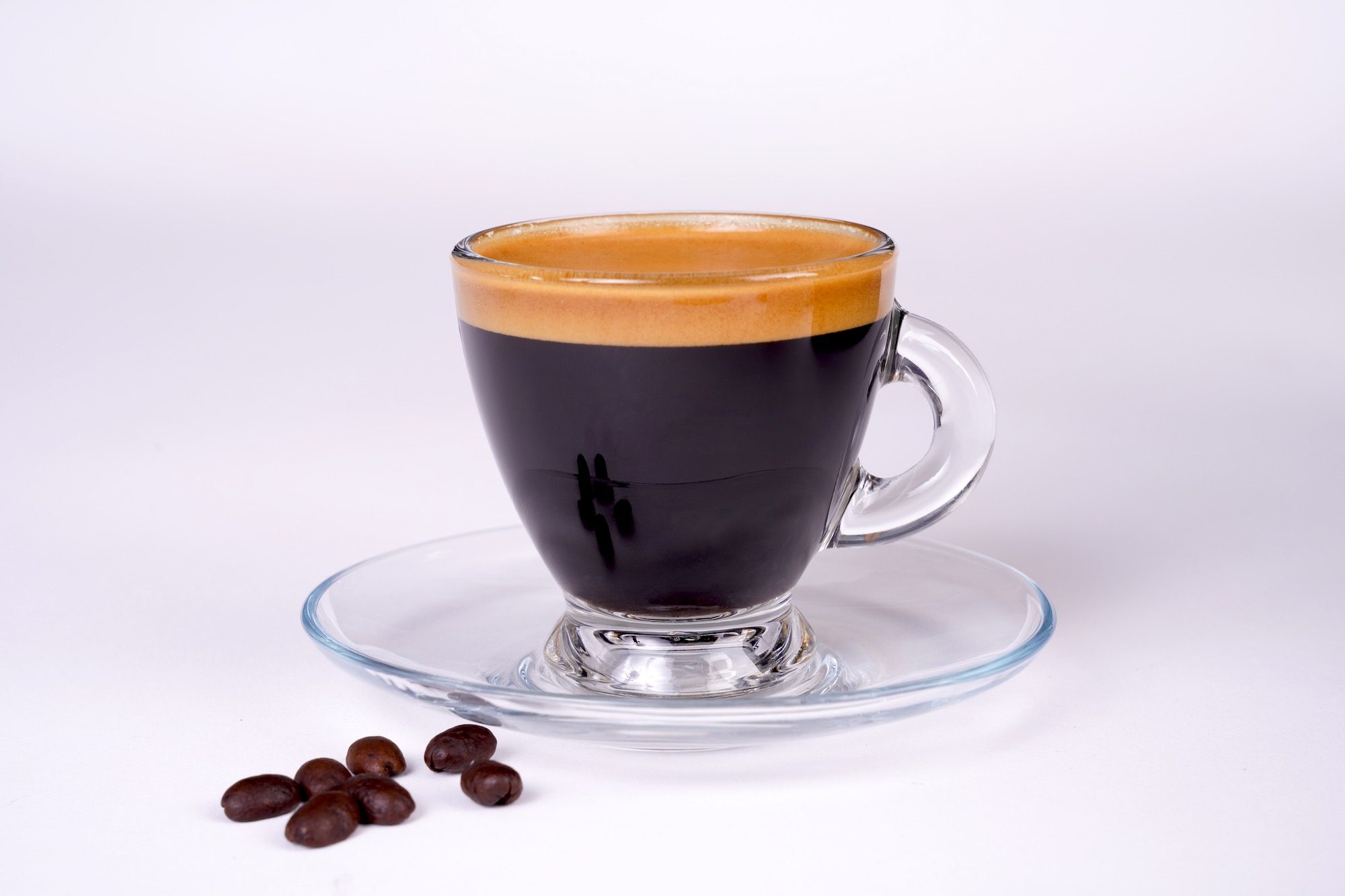
Great brewing is controlled extraction. Water dissolves flavour compounds from coffee. The aim is to extract enough sweetness, aroma and body without pulling too much bitterness or leaving the cup sour and thin.
Use fresh water
Start with cold, fresh water. Filter heavily chlorinated water. Avoid repeatedly boiled kettle water when possible because it can taste flat.
Weigh the coffee and water
A reliable starting ratio for filter and immersion brewing is around 60 g of coffee per litre of water. For one 250 ml cup, use roughly 15 g. Adjust from there.
A spoon is acceptable when scales are unavailable, but spoons measure volume and coffee density varies. One person’s heaped tablespoon is another person’s small landslide.
Control the temperature
Water just below boiling works for most methods. Very light roasts may need hotter water. Dark roasts often taste better slightly cooler. For a general starting point, use about 92°C to 96°C.
Decaf can extract readily because processing changes the bean structure. If the cup tastes bitter or drying, reduce temperature, shorten contact time or grind slightly coarser. If it tastes sour or weak, do the opposite one step at a time.
Match grind to contact time
Fast methods need fine grounds. Slow methods need coarser grounds. This simple relationship explains an impressive amount of coffee misery.
Agitate consistently
Pouring, stirring and plunging change how water contacts the grounds. Repeat the same method before changing another variable.
Keep equipment clean
Coffee oils become stale and bitter. Clean grinders, baskets, carafes and machine internals according to the manufacturer instructions. A premium bean cannot negotiate with six months of rancid residue.
Espresso machine starting point
Use 18 g of coffee for approximately 36 g of espresso in 25 to 32 seconds as an initial recipe. Adjust for the basket, roast and taste. Decaf may need a slightly finer grind or a little more coffee to create resistance.
Cafetière starting point
Use 30 g of coarse ground coffee with 500 ml water. Steep for four minutes, stir or break the crust, allow sediment to settle and plunge gently. Pour the coffee out rather than leaving it on the grounds.
Pour over starting point
Use 15 g coffee with 250 g water. Bloom with about 30 to 40 g water for 30 to 45 seconds, then pour steadily in stages. Aim for a total brew time around two and a half to three and a half minutes depending on brewer and grind.
Moka pot starting point
Fill the lower chamber to the valve, add coffee level with the basket without heavy tamping and use moderate heat. Remove from the hob as the flow begins to splutter. Aggressive heat produces a small metal geyser of regret.
Cold brew starting point
Use coarse ground coffee and cold water at about 1:8 for a concentrate or 1:12 to 1:15 for a ready to drink brew. Steep in the fridge for 12 to 18 hours, strain and adjust. Finer coffee needs less time and more careful filtration.
Decaf espresso and crema
Crema is the tawny foam on an espresso. It forms when pressurised water releases carbon dioxide from roasted coffee and emulsifies oils and tiny particles. Caffeine does not create crema. Removing caffeine does not make crema biologically impossible.
Decaf can still be harder to dial in because processing and storage affect bean structure and gas retention.
Why decaf espresso sometimes has weak crema
The coffee is stale: Carbon dioxide escapes after roasting. Old coffee produces less foam and less aroma.
The grind is too coarse: Water passes through quickly, producing a pale, thin shot.
The dose is too low: The puck offers too little resistance.
The machine pressure or temperature is unstable: Inconsistent equipment produces inconsistent extraction.
The beans were roasted too dark or too lightly for the setup: Roast development changes solubility and gas behaviour.
The coffee was ground too early: Ground coffee loses gas and aroma rapidly.
How to improve decaf crema
- Use coffee within a sensible period after roasting
- Grind immediately before brewing
- Use an espresso suitable roast
- Start with a slightly finer grind than the equivalent caffeinated coffee
- Check dose and distribution
- Keep the basket and shower screen clean
- Measure shot time and yield instead of judging only by colour
- Taste the espresso because attractive foam can sit on top of a terrible shot
Choosing the right grind
Grind controls surface area. Fine particles expose more coffee to water and extract quickly. Coarse particles expose less and extract slowly.
| Equipment | Suggested grind | Why |
|---|---|---|
| Espresso machine | Fine | High pressure and short contact time need rapid extraction |
| Refillable pod | Fine | Small dose and short brew time |
| Moka pot | Fine to medium fine | Pressure is lower than espresso but extraction is still quick |
| AeroPress | Fine to medium | Recipe and brew time vary widely |
| Pour over | Medium | Balanced flow and contact time |
| Filter machine | Medium | Water passes through over several minutes |
| Cafetière | Coarse | Long immersion needs slower extraction |
| Cold brew | Coarse | Very long contact time |
Sour, weak or thin
The coffee is probably under extracted. Grind finer, use more coffee, increase water temperature or lengthen brew time. Change one variable first.
Bitter, harsh or drying
The coffee is probably over extracted. Grind coarser, use slightly cooler water, reduce brew time or use less agitation.
Muddy cafetière coffee
The grind may be too fine or inconsistent. Use a coarse setting and allow the grounds to settle before plunging gently.
Fast espresso with no body
Grind finer or increase the dose. Check that the coffee is fresh and the basket is filled evenly.
Freshness and storage
Coffee changes from the moment it is roasted. Carbon dioxide leaves, oxygen enters and volatile aromas fade. This is normal. Storage aims to slow it down rather than place the beans in suspended animation.
Keep coffee away from air
Close the original resealable bag firmly or use an airtight container. A one way valve bag allows gas to escape without letting much oxygen in.
Keep it away from heat and light
Use a cool cupboard away from ovens, radiators and direct sun. The transparent jar beside the hob looks attractive because lifestyle photography has consequences.
Keep it dry
Moisture accelerates deterioration and can damage grinders. Do not use a damp spoon.
Avoid routine refrigerator storage
Fridges contain moisture and strong smells. Taking a container in and out can create condensation. Coffee also has a remarkable ability to learn what last night’s curry smelled like.
Freeze carefully when needed
Freezing can work for unopened or well sealed portions. Divide a large order into small airtight packs and thaw each pack once before opening. Repeatedly opening a frozen bag encourages condensation.
Whole bean versus ground
Whole beans retain quality longer. Ground coffee remains practical when bought in sensible quantities and sealed quickly. A good ground coffee used promptly is better than whole beans crushed unevenly in a device designed for herbs and emotional violence.
Signs coffee is past its best
- The aroma is weak before brewing
- Espresso runs quickly despite a fine grind
- Crema is thin and disappears immediately
- Flavour seems papery, woody or flat
- The cup tastes dull even after adjusting the recipe
Old coffee is not necessarily unsafe when stored dry and free from contamination. It is simply less enjoyable, which is enough of a problem.
Decaf coffee and sleep

Caffeine blocks adenosine receptors in the brain. Adenosine accumulates during the day and contributes to sleep pressure. Blocking its signal can make a person feel more alert even while the underlying need for sleep continues building.
A 2023 systematic review and meta analysis found that caffeine reduced total sleep time and sleep efficiency and increased the time needed to fall asleep. The effect depended on dose and timing. A conventional coffee can contain enough caffeine to affect sleep many hours later.
Decaf changes the calculation because the dose is far smaller.
Can you drink decaf before bed?
For most people, one cup of decaf in the evening is unlikely to provide enough caffeine to cause a substantial sleep effect. EFSA notes that 100 mg close to bedtime may affect sleep in some adults. A typical decaf cup contains a fraction of that.
Very sensitive people may still react to a few milligrams, particularly after several cups. Genetics, liver metabolism, medication, pregnancy, smoking status and habitual caffeine use can all influence response.
Coffee can affect sleep without caffeine
The drink can still matter because:
- A large mug close to bed may increase night time bathroom visits
- Coffee can aggravate reflux in some people when they lie down
- Sugar and chocolate additions can add caffeine or disturb comfort
- The ritual may feel stimulating when strongly associated with work
- A very hot drink may delay settling for some people
Decaf as an evening ritual
A warm drink can mark the end of work and create a predictable transition into the evening. Decaf preserves the smell, preparation and comfort of coffee while reducing stimulant exposure. It does not contain a sedative and should not be marketed as a treatment for insomnia.
Can children drink decaf coffee or tea?
Children do not need caffeine. Energy drinks are an especially poor choice because they can deliver substantial caffeine alongside sugar and other stimulants. Decaf coffee and tea sit in a different range, but parents still need to consider age, body size, temperature, additions and total caffeine from every source.
EFSA proposes a level of 3 mg of caffeine per kilogram of body weight per day that does not raise safety concern for children and adolescents. A 25 kg child would reach 75 mg at that level. One small decaf containing a few milligrams is far below it.
Practical considerations
Use a small serving: A child does not need an adult mug.
Let it cool: Scald risk matters more immediately than residual caffeine.
Limit sugar and syrups: A decaf drink can become a dessert with a handle.
Count all sources: Cola, chocolate, tea, medicines and energy products contribute caffeine.
Consider sensitivity: Some children are more affected by small amounts and sleep can be fragile.
Avoid creating a daily dependency ritual: A taste or occasional family drink is different from teaching a child they need coffee to function.
Parents of younger children, children with heart conditions, anxiety, sleep problems or medication questions should ask a health professional.
Decaf during pregnancy and breastfeeding
Pregnancy guidance focuses on total caffeine from every source. The NHS recommends no more than 200 mg a day during pregnancy. Coffee shop drinks, filter coffee, tea, cola, chocolate, energy drinks and some supplements all count.
Decaf can help someone retain the ritual and flavour of coffee while reducing the total substantially. It is not automatically zero caffeine, so a person with specific medical advice to avoid caffeine completely should discuss suitable drinks with their midwife or doctor.
Pregnancy
The NHS links excessive caffeine intake with a higher chance of miscarriage and stillbirth and advises staying below 200 mg a day. One decaf commonly contributes only a few milligrams, leaving much more room within that limit than a standard coffee.
Herbal teas need their own consideration. The NHS advises limiting herbal tea and avoiding products containing liquorice root during pregnancy. Natural does not mean unlimited or automatically suitable.
Breastfeeding
Current NHS pages give slightly different public limits. One recommends no more than 200 mg a day while another advises trying not to exceed 300 mg. The cautious approach is to keep intake low and observe the baby, particularly during the first months. Caffeine passes into breast milk and can make some babies restless.
Decaf is a useful substitution because it reduces caffeine without requiring someone to abandon every hot drink at the exact moment sleep has become a rumour.
Practical approach
- Check the size and type of every caffeinated drink
- Include chocolate, cola and energy drinks in the total
- Use decaf for one or more daily coffees
- Ask about herbal products rather than assuming they are safe
- Speak to a midwife, GP or pharmacist when advice differs or symptoms arise
Decaf coffee and digestion
Removing caffeine changes one part of coffee. It does not remove every acid, oil, polyphenol or compound capable of affecting the digestive system.
Reflux and heartburn
Some people find decaf gentler than regular coffee, possibly because caffeine can affect the lower oesophageal sphincter and stimulate gastric activity. Other people react to coffee itself, roast level, serving size, milk, sugar or drinking on an empty stomach.
Decaf is therefore worth testing as an individual substitution, not a guaranteed reflux cure. Smaller servings, a less intense roast, food and avoiding coffee close to lying down may help. Persistent or severe reflux needs medical assessment.
Bloating
Coffee is not a single cause of bloating. Possible contributors include:
- Milk or cream intolerance
- Sweeteners and sugar alcohols
- Drinking quickly and swallowing air
- Large serving sizes
- IBS sensitivity
- Coffee acids and other compounds
- Drinking on an empty stomach
Try changing one factor at a time. Moving from a large milky caffeinated drink to a small black decaf changes four variables and reveals almost nothing about which one mattered.
Does decaf make you go to the toilet?
It can. Human studies show both caffeinated and decaffeinated coffee can stimulate colonic activity in some people. Caffeine is therefore not the only trigger. Other coffee compounds and the gastrocolic response to drinking may contribute.
The effect is individual. Some people notice it within minutes. Others can drink coffee beside a closed public toilet with complete confidence.
IBS
Research on coffee and IBS is mixed. Symptoms and triggers vary widely. Decaf may reduce caffeine related urgency or anxiety but can still affect motility and sensitivity. Keep a simple food and symptom record and seek professional help when symptoms are frequent, severe or associated with weight loss, bleeding, fever or night waking.
Read the detailed articles
Decaf coffee and health
Coffee contains many compounds beyond caffeine, including chlorogenic acids and other polyphenols. Decaf retains substantial amounts of these compounds, though levels vary by bean, process and roast.
Research often finds associations between coffee drinking and lower risks of several long term outcomes. Similar associations sometimes appear for decaf. Most of this evidence comes from observational cohorts, which can show patterns but cannot prove that coffee caused the difference.
Mortality and cardiovascular disease
Large cohort analyses have associated moderate caffeinated and decaffeinated coffee consumption with lower all cause mortality. UK Biobank research also found lower cardiovascular disease and mortality rates across ground, instant and decaf coffee groups compared with non drinkers.
These findings are reassuring rather than prescriptive. They do not mean everybody should start drinking several cups or that adding large amounts of sugar and cream produces the same pattern.
Type 2 diabetes
Observational studies link regular coffee consumption with a lower risk of type 2 diabetes. Decaf has shown similar associations in some research, suggesting compounds beyond caffeine may be involved. Trials of chlorogenic acid and glucose control are less consistent, so the evidence does not support treating decaf as a diabetes intervention.
Blood pressure and heart rhythm
Caffeine can cause a short term rise in blood pressure in some people. Decaf greatly reduces that exposure. Coffee compounds, individual health and medication still matter. Anyone with a heart condition should follow advice from their clinician rather than a general coffee guide written by people who keep naming products after fictional billionaires.
Anxiety and panic
Meta analyses associate caffeine with increased anxiety, particularly at higher doses. People with panic disorder can be especially sensitive. Switching some or all coffee to decaf can reduce the stimulant dose while preserving the routine.
Decaf is not a treatment for anxiety. Residual caffeine can still matter to highly sensitive people and anxiety has many causes requiring proper support.
Headaches and withdrawal
Suddenly reducing caffeine can cause headache, tiredness, irritability and difficulty concentrating. Symptoms commonly begin within a day and usually improve over several days. Half caf or a gradual substitution can make the transition easier.
Decaf may also help through expectation and ritual. Research on caffeine withdrawal suggests the taste and belief that a drink contains caffeine can reduce perceived symptoms in some circumstances. The brain is clever, complicated and occasionally fooled by crockery.
Antioxidants
Decaf contains polyphenols and antioxidant compounds. Roasting and decaffeination alter their levels, but caffeine is not the only biologically active part of coffee. Describing one food as an antioxidant solution to disease is still an oversimplification.
Kidneys
Coffee consumption has been studied in relation to kidney disease, stones and function. Findings are generally observational and do not justify claiming that decaf treats or protects an individual’s kidneys. People with kidney disease may have specific fluid, potassium, caffeine or medication considerations and should ask their clinical team.
Energy and concentration
Decaf does not provide a conventional caffeine boost. It may still feel energising because it provides hydration, warmth, flavour, a break and a familiar signal that work is starting. Calories from milk or sugar also provide energy in the literal nutritional sense.
Regular caffeine users can mistake withdrawal relief for a new boost. Caffeine restores some alertness that fell as the previous dose wore off. Moving to decaf can feel flat during adjustment, then more stable once withdrawal settles.
Is decaf coffee healthy?
For most adults, unsweetened decaf can form part of a balanced diet. It offers coffee flavour and many coffee compounds with far less caffeine. The best choice depends on tolerance, health, medication, pregnancy, sleep and what goes into the cup.
Naturally caffeine free alternatives
Decaf is useful when someone wants coffee with less caffeine. It is not the only route to a warm drink.
Rooibos
Rooibos comes from Aspalathus linearis, a South African shrub rather than the tea plant Camellia sinensis. It contains no caffeine naturally and has a sweet, earthy character that works plain, with milk or in flavoured blends.
Peppermint
Peppermint infusion contains no caffeine unless blended with true tea or another caffeinated ingredient. It tastes cool and aromatic and works after meals or as an evening drink. Calling it decaf peppermint is technically unnecessary, like advertising a potato as dolphin free.
Chamomile
Chamomile is a caffeine free floral infusion commonly associated with bedtime routines. Evidence for sleep effects is mixed and products can cause allergy or interact with medicines in some people.
Fruit infusions
Fruit and hibiscus blends are usually caffeine free when they contain no tea leaves. Check the ingredients because products described as fruit tea sometimes include black or green tea.
Decaf tea
Decaf black and green tea begin with Camellia sinensis and have most caffeine removed. A little can remain, just as it does in decaf coffee.
Naturally low caffeine coffee
Rare coffee species and varieties contain little or no caffeine naturally. Coffea charrieriana is one example identified in Cameroon. Commercial availability remains limited and these plants are not ready to replace mainstream Arabica supply.
Read more
Environmental and ethical questions
Decaf adds a processing stage to the coffee supply chain. Water, energy, transport, equipment and materials all matter. A simple ranking of methods from virtuous to evil would be satisfying and mostly fictional.
Water use
Water processes use water and filtration systems. Responsible plants recycle process water, operate closed loops and treat discharge. The quantity and local water context matter more than the word water in the name.
Solvents
Solvent methods use compounds that require controlled handling and recovery. Worker protection, emissions controls and residual limits matter. Finished product safety and occupational exposure are related but different questions.
Carbon dioxide
Carbon dioxide systems reuse extraction gas but require high pressure equipment and energy. The source of energy and efficiency of the plant affect environmental performance.
Processing near origin
Sugarcane decaffeination in Colombia can keep more processing value in a coffee producing country and reduce green coffee transport to distant facilities. The benefit depends on the actual route, ownership and supply chain.
Organic and Fairtrade
Organic standards restrict agricultural inputs and require certified handling. Fairtrade standards address defined producer and trading conditions. Neither logo alone proves every environmental or social claim someone might make in a product paragraph.
Packaging
Freshness packaging protects coffee and can reduce waste from spoiled product. Multi layer bags are difficult to recycle in many local systems. Larger bags use less packaging per gram but only help when the coffee is consumed while fresh.
Used coffee grounds
Composting is the most reliable household use when local conditions allow. Grounds add nitrogen rich material but should be mixed with other compost components. Small amounts can be used around some plants after checking soil needs. Claims that grounds magically remove ice, exterminate every pest, clean every surface and reverse the course of civilisation need more caution.
A sensible ethical approach
Look for transparent origin, credible certification where relevant, a named decaffeination method, freshness information and a supplier willing to explain its choices. Perfection is unavailable. Better evidence is not.
Common decaf myths
Myth 1: Decaf contains no caffeine
Most decaf contains a small amount. It is dramatically lower than regular coffee but not always zero.
Myth 2: Decaf always tastes weak
Weak coffee usually comes from poor beans, stale grounds, too little coffee or under extraction. Decaf can be rich and full bodied.
Myth 3: Decaf cannot produce crema
Crema depends on carbon dioxide, oils, freshness, roast and pressure. Caffeine is not the foam department.
Myth 4: Swiss Water is the only process without added chemical solvents
Mountain Water also uses a water based system and carbon dioxide processing does not use methylene chloride or ethyl acetate. Different processes have different language and certification.
Myth 5: Sugarcane decaf is soaked in sugar
Ethyl acetate commonly derived from sugarcane fermentation is used to remove caffeine. The finished coffee is not sweetened by adding spoonfuls of sugar.
Myth 6: Solvent processed decaf is automatically unsafe
Approved processes operate within regulated residue limits. Solvents have industrial hazards and some consumers prefer alternatives, but hazard and finished product risk are not the same thing.
Myth 7: Dark roast has more caffeine because it tastes stronger
Roast flavour is not a direct measure of caffeine. Bean type, dose and how coffee is measured have more influence.
Myth 8: Decaf is healthier for everybody
Decaf reduces caffeine exposure, which helps some people. Others tolerate caffeine well and may prefer it. Health depends on the person and the complete diet.
Myth 9: Decaf cannot keep anyone awake
Most people are unlikely to notice the small amount, but extremely sensitive people can. Several cups, large servings and other caffeine sources matter.
Myth 10: Organic means water processed
Organic coffee must meet organic standards, but the precise permitted processing and certification route should be checked. Do not infer a decaffeination method from one logo.
Myth 11: Decaf is only for people with a medical problem
People choose it for sleep, pregnancy, anxiety, taste, evening drinking, medication, sport, religion, preference and the radical desire to enjoy coffee without feeling electronically haunted.
Myth 12: Decaf is pointless in the morning
Coffee provides flavour, warmth and ritual at any time. A morning beverage does not require a controlled stimulant to qualify as breakfast.
Frequently asked questions
Short answers to the questions people ask when the packet, the search result and somebody on a forum have all managed to disagree.
Does decaf coffee contain caffeine?
Yes, usually a small amount. A typical cup often contains about 2 to 15 mg compared with roughly 90 mg or more in regular filter coffee. Amounts vary by serving and process.
Can I drink decaf coffee every day?
Most healthy adults can include decaf in a balanced diet. Individual issues such as reflux, pregnancy, medication and caffeine sensitivity still apply.
Can decaf coffee keep me awake?
It is possible but much less likely than with regular coffee. Multiple large cups can contribute more caffeine and the drink may affect reflux or bathroom visits.
Is decaf coffee safe during pregnancy?
Decaf can help keep total caffeine below the NHS limit of 200 mg a day. It still contains a little caffeine and individual medical advice takes priority.
Does decaf taste different from regular coffee?
It can. Processing changes the green bean, but origin, roast, freshness, grind and brewing often have a larger effect on the final cup.
Is Swiss Water decaf better?
It is a strong choice for people wanting a recognised water based process and preserved certifications. Better still depends on the bean, roast and personal taste.
What is sugarcane decaf?
It uses ethyl acetate, commonly produced from sugarcane fermentation, to selectively remove caffeine. It is especially associated with Colombian coffee.
Can decaf produce espresso crema?
Yes. Use fresh coffee, a suitable roast, fine grind, correct dose and stable extraction pressure.
Why does my decaf taste bitter?
Common causes are over extraction, too fine a grind, excessive temperature, stale oils in equipment or an over roasted coffee.
How should I store decaf beans?
Keep them sealed, cool, dark and dry. Avoid routine refrigerator storage. Freeze only in airtight portions when necessary.
Can decaf cause bloating?
Yes, in some people. Coffee compounds, milk, sweeteners, serving size and IBS can all contribute.
Does decaf give you energy?
Not through a meaningful caffeine dose for most people. The ritual, hydration, break and calories from additions can still feel energising.
What is the difference between decaf and caffeine free?
Decaf has most caffeine removed. Caffeine free drinks such as Rooibos and peppermint contain none naturally.
How much caffeine is removed from decaf?
Commercial decaf commonly removes at least 97% of the original caffeine. Some processes state that they remove 99.9%.
Can I drink decaf coffee at night?
Most people can. The residual caffeine is far below a regular coffee. Very sensitive people should test a small serving and consider other causes of sleep disruption.
Is decaf coffee safe for children?
A small, cooled serving contains little caffeine, but children do not need caffeine and parents should consider age, size, sugar and total intake. Energy drinks should be avoided.
Can I drink decaf while breastfeeding?
Decaf substantially reduces caffeine exposure. Current NHS advice recommends limiting caffeine because it can reach breast milk and make some babies restless.
Which decaffeination method tastes best?
No method wins every tasting. Swiss Water, Mountain Water, sugarcane, carbon dioxide and controlled solvent methods can all produce good coffee. Start with the flavour and roast you enjoy.
What is Mountain Water decaf?
It is a water based process used by Descamex in Mexico. A saturated coffee solution extracts caffeine under controlled conditions before the beans are dried.
Is methylene chloride decaf safe?
Regulators permit finished coffee within strict residue limits. The solvent has industrial hazards and remains controversial, so people wishing to avoid it can choose a named alternative process.
Why does my decaf taste watery?
Common causes are too little coffee, a grind that is too coarse, water that is too cool or a brew time that is too short.
Are whole decaf beans better than ground?
Whole beans retain freshness longer and allow grind control. Fresh ground coffee matched to the equipment remains a good practical choice.
Does decaf make you go to the toilet?
It can. Studies show decaf can stimulate colonic activity in some people, so caffeine is not the only factor.
Is decaf coffee bad for you?
For most adults, decaf is considered safe. It reduces caffeine while retaining many coffee compounds. Individual conditions and additions to the drink matter.
Is decaf more acidic?
Not necessarily. Acidity depends on origin, roast, processing and brewing. Some people find decaf gentler, but it is not guaranteed to be low acid.
What is half caf coffee?
Half caf combines caffeinated and decaf coffee to reduce caffeine while retaining more than a standard decaf.
Decaf glossary
Adenosine: A signalling molecule that contributes to sleep pressure. Caffeine promotes alertness mainly by blocking adenosine receptors.
Aspalathus linearis: The South African plant used to make Rooibos or Red Bush infusion.
Caffeine half life: The time required for the body to reduce circulating caffeine by half. It varies widely between people and circumstances.
Crema: The foam on espresso created from gases, oils and fine particles released during pressurised extraction.
Direct solvent method: A process in which prepared beans come into controlled contact with a caffeine selective solvent.
Extraction: The movement of soluble flavour compounds from coffee into water during brewing.
Green coffee extract: Water containing soluble coffee compounds but little or no caffeine, used in the Swiss Water Process.
Half caf: Coffee designed to contain roughly half the caffeine of a conventional brew, often by blending regular and decaf beans.
Methylene chloride: A volatile solvent used in some commercial decaffeination processes.
Organic coffee: Coffee certified to relevant organic agricultural and handling standards.
Robusta: Coffea canephora, a coffee species generally higher in caffeine and more disease resistant than Arabica.
Rooibos: A naturally caffeine free South African infusion made from Aspalathus linearis.
Sugarcane process: A decaffeination method using ethyl acetate commonly derived from fermented sugarcane materials.
Tisane: An infusion of herbs, fruit, flowers or spices that does not use the conventional tea plant.
Arabica: Coffea arabica, the species responsible for much speciality coffee. It generally contains less caffeine than Robusta.
Blend: Coffee combining beans from more than one origin, lot or roast component.
Carbon dioxide process: A decaffeination method using pressurised carbon dioxide to dissolve and remove caffeine.
Decaffeination: The removal of most caffeine from green coffee beans before roasting.
Ethyl acetate: A compound used to extract caffeine, often associated with the sugarcane process.
Green coffee: Dried, unroasted coffee beans.
Grind: The particle size of ground coffee. Fine coffee extracts faster than coarse coffee.
Indirect solvent method: A process where compounds first move from beans into water, caffeine is removed from the water with a solvent and flavour compounds return to the beans.
Mountain Water Process: A proprietary water based decaffeination process operated by Descamex in Mexico.
Polyphenols: A broad group of plant compounds present in coffee and many other foods.
Roast: Heating green coffee to develop flavour, colour, aroma and solubility.
Single origin: Coffee identified with one country, region, farm, estate or lot, depending on the supplier’s definition.
Swiss Water Process: A proprietary decaffeination method using green coffee extract, water, temperature, time and carbon filtration.
References
- European Food Safety Authority. Caffeine: safety conclusions for adults, children, adolescents and pregnancy. View source
- NHS. Foods to avoid in pregnancy: caffeine guidance. View source
- NHS. Breastfeeding and diet: caffeine guidance. View source
- McCusker RR, Fuehrlein B, Goldberger BA, Gold MS and Cone EJ. Caffeine content of decaffeinated coffee. Journal of Analytical Toxicology. 2006. View source
- Gardiner C and colleagues. The effect of caffeine on subsequent sleep: a systematic review and meta analysis. Sleep Medicine Reviews. 2023. View source
- Swiss Water Decaffeinated Coffee Company. The Swiss Water Process. View source
- Descamex. Mountain Water Process. View source
- Max Planck Society. Coffee decaffeination processes and the history of carbon dioxide decaffeination. View source
- Deutsche Biographie. Friedlieb Ferdinand Runge. View source
- Rao SS, Welcher K, Zimmerman B and Stumbo P. Is coffee a colonic stimulant? European Journal of Gastroenterology and Hepatology. 1998. View source
- Brown SR and colleagues. Effect of coffee on distal colon function. Gut. 1990. View source
- Liu C and colleagues. Caffeine intake and anxiety: a meta analysis. Frontiers in Psychology. 2024. View source
- Klevebrant L and Frick A. Effects of caffeine on anxiety and panic attacks in patients with panic disorder: a systematic review and meta analysis. General Hospital Psychiatry. 2022. View source
- Shin S and colleagues. Caffeinated and decaffeinated coffee consumption and risk of all cause mortality: a dose response meta analysis. British Journal of Nutrition. 2019. View source
- Chieng D and colleagues. The impact of coffee subtypes on incident cardiovascular disease, arrhythmias and mortality: long term outcomes from the UK Biobank. European Journal of Preventive Cardiology. 2022. View source
- Faraji H. Effect of decaffeinated coffee enriched chlorogenic acid on blood glucose levels in healthy controls: a systematic review. International Journal of Preventive Medicine. 2018. View source
- Lee JYL and colleagues. Examining the association between coffee intake and the risk of developing irritable bowel syndrome: a systematic review and meta analysis. Nutrients. 2023. View source
- National Coffee Association. Facts about decaffeinated coffee and the main processes. View source
Editorial policy
This guide combines official public health guidance, peer reviewed research, process information from decaffeination specialists and practical material developed across the I Love Decaf advice library.
Health evidence is described cautiously because much coffee research is observational. An association does not prove that coffee caused an outcome. Studies also use different serving sizes, preparation methods and populations.
The guide does not rank or promote individual I Love Decaf products. Commercial buying guides and product pages are kept separate so the reference material can answer questions without turning every paragraph into a route to a basket.
We review the guide when official guidance changes, important new evidence is published or a reader identifies a factual error. Corrections should preserve the original meaning where possible and record the review date.
General information cannot replace individual medical advice. Speak to a qualified health professional about pregnancy, childhood caffeine intake, medication, heart conditions, digestive symptoms, anxiety, sleep disorders or any reason you have been told to avoid caffeine completely.
For the commercial Swiss Water range, see Swiss Water decaf coffee.
Signup to get exclusive discounts and the odd factoid here and there
