Not every cup called tea comes from the tea plant. Some are infusions of leaves, flowers or other botanicals. Pure peppermint, rooibos, chamomile and hibiscus infusions are naturally caffeine-free, provided the blend does not include caffeine-containing ingredients.
The distinction matters because decaffeinated black tea begins with leaves that naturally contain caffeine and has most of it removed. An herbal infusion made from a plant without caffeine starts in a different place altogether.
One: peppermint infusion
Peppermint leaves create a fresh, minty drink that many people enjoy hot or cold. A pure peppermint infusion contains no caffeine naturally. A product labelled ‘mint green tea’ may contain ordinary green tea as well, so read the ingredients.
Brew according to the pack and adjust the steeping time to taste. A longer brew can taste more strongly of mint, but it does not turn a caffeine-free herb into a caffeinated tea.
Two: rooibos, or red bush
Rooibos comes from Aspalathus linearis, a shrub native to South Africa rather than the true tea plant. It produces a red-brown infusion with a character quite different from mint. The UK Tea & Infusions Association describes rooibos and its natural caffeine-free status.
Rooibos can be served black, with milk or as part of an infusion blend. Check added ingredients because a rooibos-based blend might also include spices, sweeteners or other botanicals.
Three: chamomile
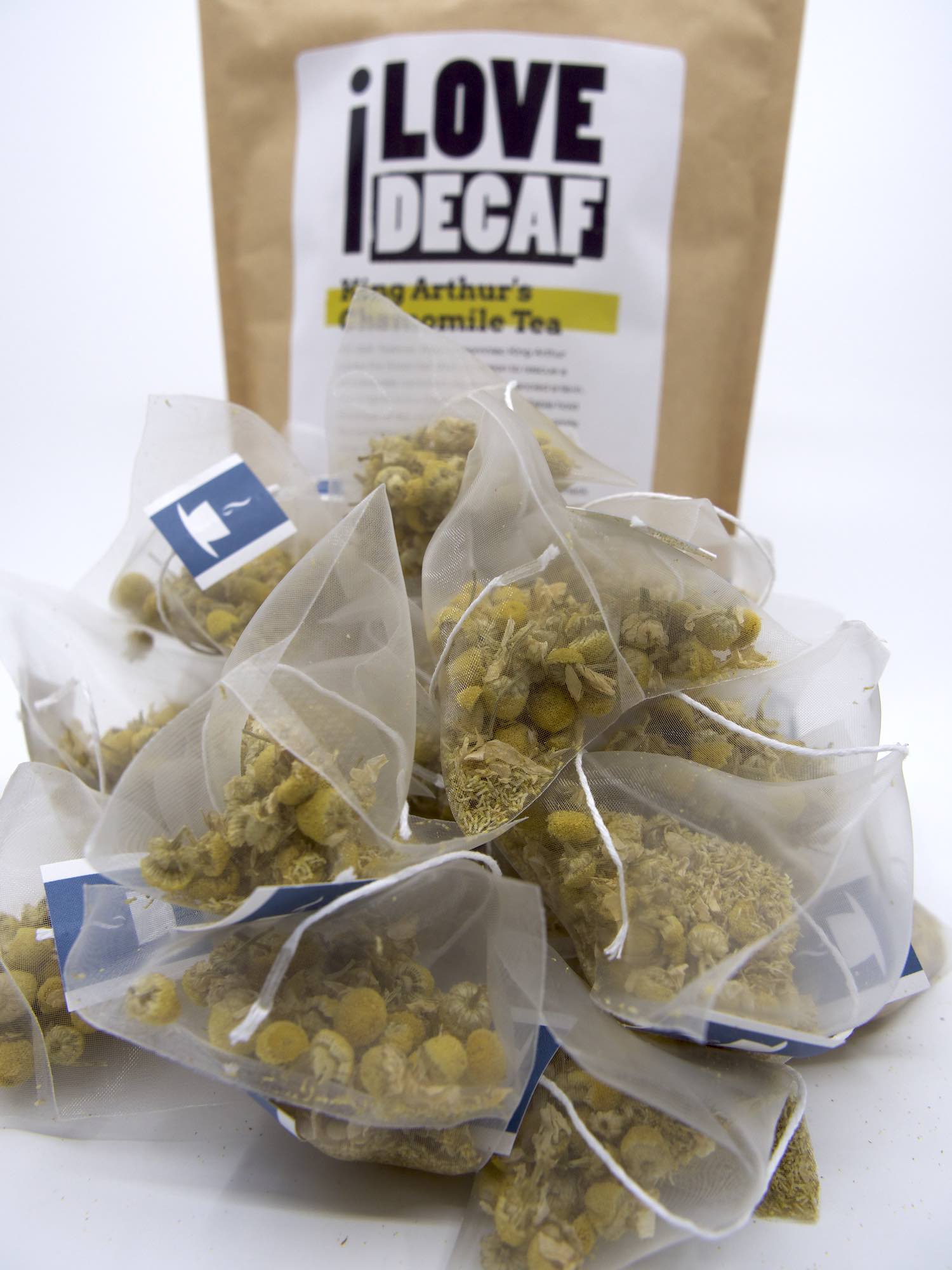
Chamomile infusions use dried flowers and are naturally caffeine-free when unblended. Their floral character makes them different from black tea. Some people enjoy them in the evening, but it would be misleading to promise that the drink cures insomnia or guarantees sleep.
The ingredients list remains important. Any medicinal or supplement-style claims should be assessed independently from the beverage’s caffeine content.
Four: hibiscus
Hibiscus infusions are commonly made from dried flower calyces and can produce a bright, tart, ruby-coloured drink. Pure hibiscus does not contain caffeine naturally. It can be served hot or cooled and poured over ice.
Fruit-infusion products may blend hibiscus with berries, apple, spices or other ingredients. Read the full list for allergies or ingredients you prefer to avoid.
Are all herbal and fruit teas caffeine-free?
No. The UK Tea & Infusions Association notes that some infusions include yerba mate, guarana or kola nut, which contain caffeine. Cocoa-based blends can also contribute caffeine.
The words ‘herbal’ and ‘natural’ do not guarantee zero caffeine or medical suitability. Check what the drink is actually made from.
What is different about decaf black tea?
Decaffeinated tea made from Camellia sinensis has had most caffeine removed rather than being naturally caffeine-free. Small amounts can remain. If you prefer the familiar taste of a breakfast tea with less caffeine, decaf black tea may be the better fit than a herbal infusion.
The two categories deserve clear labels because a shopper looking for the flavour of black tea and someone seeking a mint infusion are solving different problems.
What about children and pregnancy?
Caffeine-free does not mean a drink is automatically suitable for a baby or for every person during pregnancy. NHS pregnancy guidance advises limiting herbal tea and avoiding liquorice-root infusions. The NHS provides separate advice about suitable drinks for babies and young children.
Anyone with allergies, medication concerns or specific dietary restrictions should use professional advice rather than a blanket statement that all herbs are harmless.
How to choose an infusion
- Read the complete ingredients, especially in blends with multiple plants
- Choose a flavour and strength you enjoy rather than a medical promise
- Check whether the product contains actual black or green tea
- Follow brewing and storage instructions for the particular product
- Check age and pregnancy guidance where relevant
Our herbal and fruit infusion category offers a route to current products. For a more detailed comparison, see why peppermint is naturally caffeine-free.
UK sources
Reviewed October 2026 using the UK Tea & Infusions Association’s caffeine guidance, infusion descriptions and NHS pregnancy information. This article does not claim herbal teas treat disease or sleep disorders.