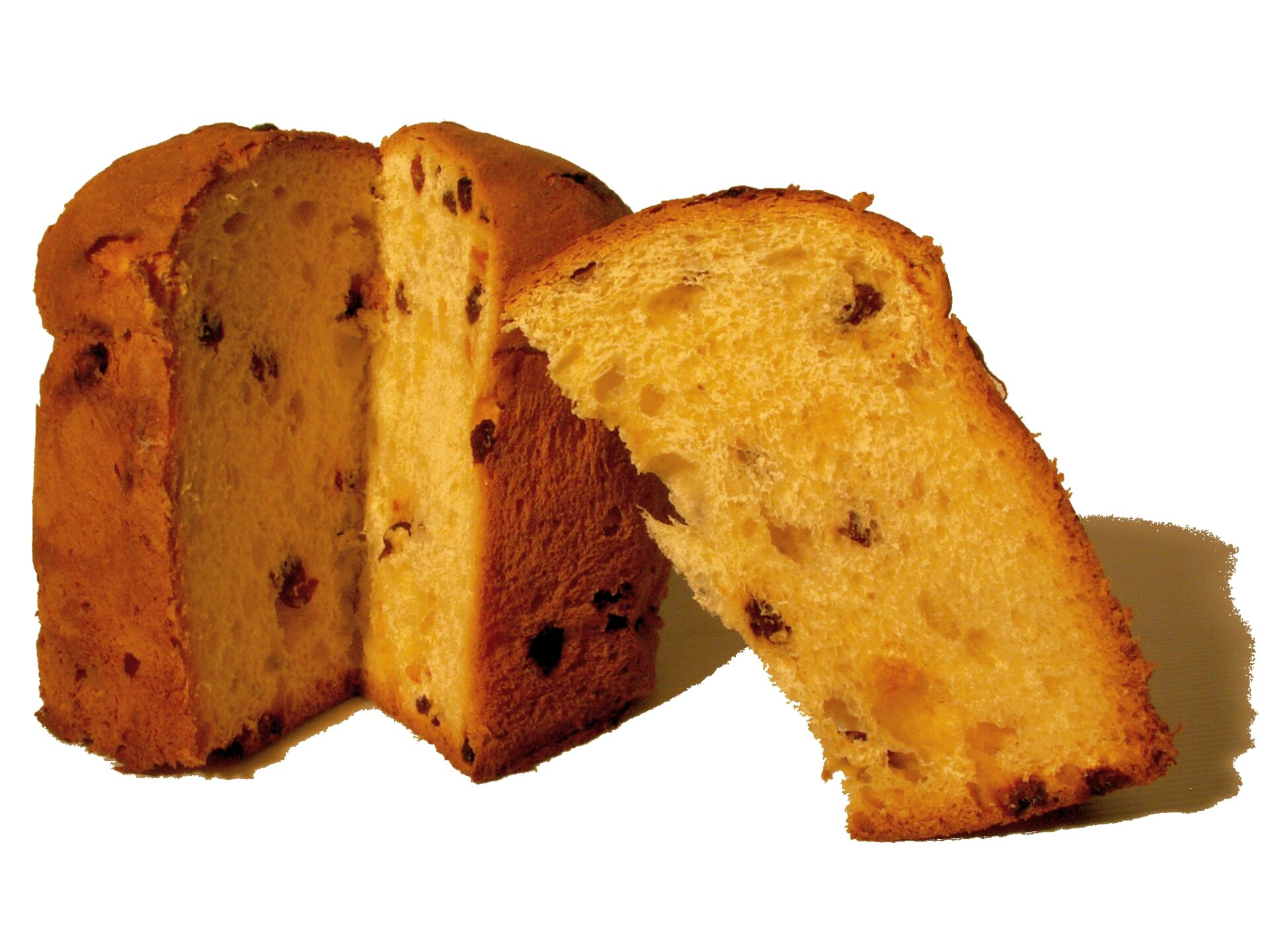
For a Christmas panettone bread and butter pudding, layer slices of panettone in a buttered dish, pour over an egg and cream custard flavoured with strong decaf coffee, leave it to soak and bake until golden. The result is warm, spoonable, unmistakably coffee-flavoured and a very good use for a festive loaf that was getting ideas above its station.
Our I Love Decaf version makes coffee a proper ingredient, not an afterthought. It contains no added coffee liqueur, requires no specialist baking kit and is simple to assemble before guests arrive. Panettone is already sweet, so the custard needs less added sugar than a conventional bread pudding.
Why make panettone pudding ahead of Christmas?
Panettone bread and butter pudding has a clear UK seasonal search pattern. Google Keyword Planner historical estimates checked on 7 November 2026 show approximately 9,900 UK searches a month on average for that exact phrase. The estimate rises from around 5,400 searches in November 2025 to 33,100 in December 2025. Those are rounded estimates for past months, not a forecast for Christmas 2026. Publishing in November gives people time to find, save and shop for the recipe.
The pudding has long been part of British Christmas cooking. Good Food’s panettone pudding recipe, originally published in January 2003, describes the classic idea of using the Italian festive loaf instead of ordinary bread. A Great British Food feature dated 21 May 2026 explored an indulgent coffee-style twist on bread and butter pudding. Our own recipe starts from a different, specifically decaf brief: a straightforward panettone bake with coffee in the custard and optional dark chocolate.
What you need for the I Love Decaf version
Serves: six. Prep: around 20 minutes plus 20 to 30 minutes soaking. Bake: approximately 35 to 45 minutes, depending on the depth of the dish. Dish: a medium ovenproof baking dish, roughly 20 x 25cm. A little more depth is fine; it simply takes longer to cook through.
Ingredients
- 300g panettone, preferably a plain or fruit version, cut into thick slices or generous cubes
- 15g unsalted butter, to grease the dish and lightly dot over the top
- 200ml whole milk
- 150ml double cream
- 80ml strong brewed decaf coffee, fully cooled
- 3 medium eggs
- 25–35g caster sugar, depending on how sweet the panettone already is
- ½ teaspoon ground cinnamon, optional
- Finely grated zest of half an orange, optional
- 25–40g roughly chopped dark chocolate, optional
- A little icing sugar or a spoon of lightly whipped cream to serve, optional
Panettone varies enormously. Some loaves contain candied citrus, sultanas, chocolate or fillings; use the one you actually like and read its ingredients before choosing extra flavours. Check labels carefully for wheat, milk, egg, nuts or other allergens. A pre-filled chocolate panettone probably needs no additional chocolate, unless your Christmas strategy is to win the entire dessert table.
How to make the decaf coffee custard
- Preheat the oven to 170°C conventional or 150°C fan. Lightly butter the baking dish. Choose a dish that holds the slices in two loose layers rather than compressing them into a brick.
- Make 80ml strong decaf coffee and allow it to cool. Use espresso, moka pot coffee or another concentrated brew. A long, weak mug adds extra water without much useful flavour.
- Whisk the eggs and sugar in a large bowl until just combined. There is no need to beat air into them. Add milk, cream, cooled coffee, cinnamon and orange zest if using.
- Whisk the mixture again until smooth. Taste is not a reliable guide here because the custard contains raw eggs; judge the coffee strength by the brewed coffee before it goes into the bowl.
- Arrange about half the panettone in the buttered dish. Sprinkle over some chopped dark chocolate if using, then add the remaining slices. Pour the coffee custard slowly over and between the pieces.
- Press the panettone lightly with the back of a spoon to help it absorb the custard. Leave the dish for around 20 to 30 minutes, pressing down once or twice so the top does not remain bone dry.
- Dot the top with any remaining butter. Bake on the middle shelf for 35 to 45 minutes, until the top is golden and the centre is set with no liquid egg custard. A deeper dish may take longer; check the middle and extend the bake as needed.
- Let the pudding stand for 10 minutes before serving. The custard settles and the slices stop sliding about as though they have an appointment elsewhere.
How strong should the decaf coffee be?
Coffee has to stand up to cream, sugar and sweet bread. We suggest a concentrate rather than a normal drinking-strength mug because the liquid allowance is deliberately limited. Taste the coffee before cooling: it should be strong enough to hold its own, without being harsh or burnt.
The live I Love Decaf product page for The Only Trillionaire’s Decaf Coffee describes a Mountain Water decaf with chocolate, nut and caramel tasting notes. Those flavours make a sensible partner for panettone and dark chocolate. Use a grind that suits your espresso machine, moka pot or alternative brewer. Decaf coffee can still contain a little caffeine, so avoid promising a completely caffeine-free pudding.
If you only have a filter brewer, make a deliberately stronger small brew and use 80ml of that. Do not tip a full mug into the custard. The pudding should be creamy and set, not wading in coffee soup.
A Christmas pudding you can organise ahead
For a calmer day, measure the dry ingredients and make the coffee in advance. You can assemble the dish with the custard, cover it and refrigerate it until you are ready to bake, keeping raw-egg mixtures properly chilled. Take the dish from the fridge while the oven heats, but do not leave it standing about for extended periods. It may need a few additional minutes in the oven if it begins cold.
The most useful make-ahead option is to prepare the components the evening before Christmas lunch and bake the pudding nearer serving time. If you cook it fully ahead, cool and refrigerate leftovers promptly, keep them chilled and reheat portions until piping hot. Follow the storage instructions for your ingredients and avoid leaving a dairy-and-egg dessert on the dining table all afternoon.
Simple variations without losing the coffee
- Orange and dark chocolate: use the zest in the custard and scatter 30g dark chocolate between the slices for a familiar festive flavour
- More fruit: choose fruit panettone and leave out the chocolate. The dried fruit adds enough sweetness for most people
- A gentler coffee note: reduce the decaf to 50ml and increase the milk by 30ml, keeping the total liquid quantity the same
- Extra crunch: sprinkle a little demerara sugar on top just before baking. Use a light hand because panettone is sweet already
Avoid adding a great deal of syrup or extra cream to the custard. Adjustments to the liquid balance can change how the pudding sets. You can always serve a separate spoonful of cream alongside.
What to serve with decaf panettone pudding
It is good warm on its own, but a little lightly whipped cream or plain yoghurt is enough if you want a contrast. A small scoop of vanilla ice cream works too. Serve portions rather than bringing the whole dish to the table and expecting everyone to exercise restraint. Someone always uses the largest spoon.
If your Christmas menu already includes a very rich cold dessert, this pudding is an excellent alternative for Boxing Day when leftover panettone needs a job. For a chilled, make-the-day-before coffee dessert instead, see our Christmas tiramisu made with decaf coffee. They serve different occasions and cooking methods.
Frequently asked questions
Can I use any panettone?
Yes, provided it is the usual enriched sweet bread and you adjust the extras. A plain or citrus panettone is the easiest starting point. Very heavily filled loaves can make the pudding much sweeter and may change how the slices absorb custard.
Can I make it without double cream?
You can replace the cream with milk, but the custard will be lighter and less rich. Keep the total liquid quantity the same and cook until the middle is set. A mixture of milk and cream is our preferred version for a festive pudding.
Does the coffee need to be espresso?
No, but it needs to be strong. Espresso and moka pot coffee are convenient because they provide concentrated flavour with limited liquid. Use decaf prepared in the way your equipment allows.
Can I make it without eggs?
Not using the same method. Eggs set this custard. An egg-free pudding would need a separate, properly developed thickening method rather than a straight swap.
Is this identical to tiramisu?
No. Tiramisu is layered with soaked biscuits and cream then chilled. This is a baked panettone custard pudding with a golden top and warm centre. Both can use decaf coffee, but they are different dishes.
Keep the coffee where it belongs: in the pudding
Make the coffee strong, let the bread soak and bake until the custard is properly set. The recipe is built around ingredients UK kitchens can buy without a specialist expedition. For the most important flavour, choose decaf beans or ground coffee from I Love Decaf and make the brew fresh. A December dessert with actual coffee flavour is the sort of seasonal tradition we can support.