
Are UK Millennials Really Switching to Decaf? Check the Evidence
UK millennials might well enjoy decaf, but there is not enough verified UK age-specific evidence here to claim they are leading a national switch. What we can confirm is that British retailers introduced new half-caff choices in 2026 and that decaffeinated coffee is available in more than one familiar format.
An older version of this article cited a US coffee-industry statistic as if it described UK shoppers. That is not a reliable comparison. Different countries, surveys and age definitions need to be kept separate. Buying good coffee deserves better evidence than a borrowed number.
What can we verify about UK decaf demand?
In February 2026, The Grocer reported Union’s Half Caff launch, with distribution through Waitrose and Sainsbury’s. Taylors announced a separate Half Caff introduction through Sainsbury’s in September 2026.
These are genuine British retail developments. They show that established brands believe there is an audience for flexible caffeine options. They do not establish the precise ages of buyers or demonstrate a universal preference among millennials.
Why might people of any age choose decaf?
For some people, the attraction is coffee flavour with much less caffeine. Others prefer a drink later in the day or simply like a particular decaf roast. None of these reasons requires a person’s birth year. It is possible to be twenty-five and love espresso, or sixty-five and enjoy experimenting with new methods.
The British Heart Foundation gives an illustrative 200ml cup at about 7mg caffeine for decaf compared with roughly 100mg for regular coffee. The amounts vary by coffee and serving size.
Does decaf taste like ordinary speciality coffee?
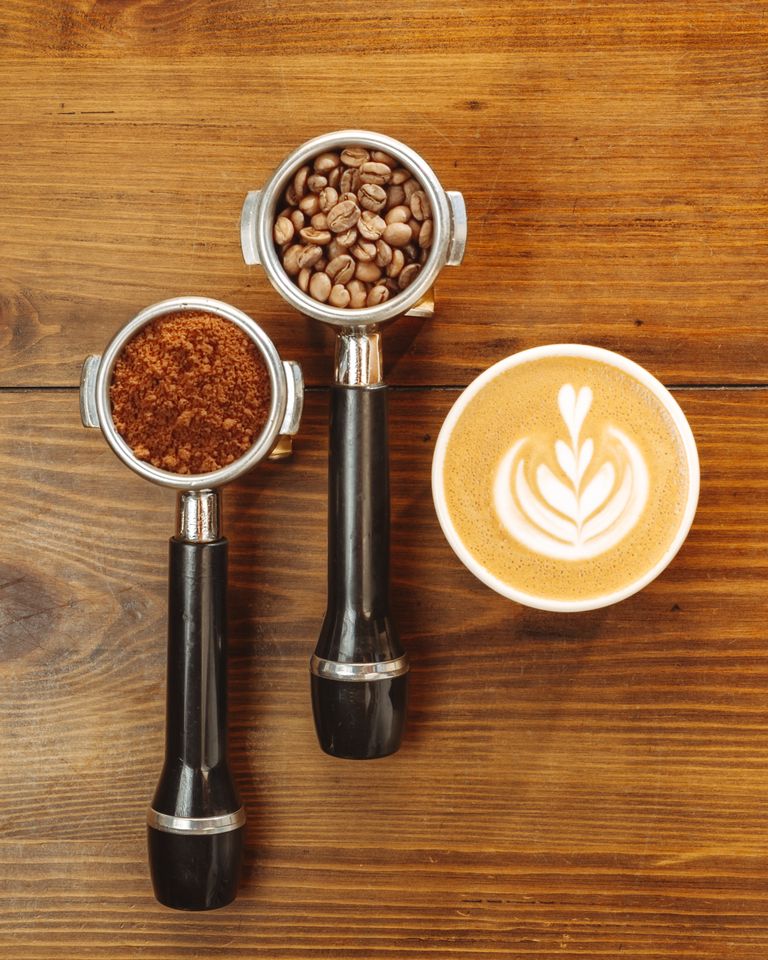
Decaf is made from coffee beans, then decaffeinated before roasting. You can buy different origins, roasts and grinds, and brew using familiar equipment. A suitable medium roast may be versatile for filter or cafetière; a darker coffee may suit someone who enjoys a bolder espresso.
The biggest mistakes are often about preparation: old grounds, the wrong grind or a cup brewed far too weakly. These problems are not exclusive to decaf, and a youthful marketing campaign does not solve them.
What do millennials need to check before buying?
- Bean or ground format to match the brewer you own
- Roast and tasting notes suited to how you drink coffee
- Decaffeination method when processing transparency matters
- Pack size and practical cost per mug
- Current UK stock and delivery terms rather than a global popularity statistic
For a starting point, see I Love Decaf’s UK coffee beans guide and compare the actual products. If you prefer some caffeine, our half-caff explanation covers the middle-ground choice.
Which claims have we deliberately avoided?
We have not said that 70% of UK decaf drinkers are under 45 or that UK Generation Z and millennials ‘saved’ decaf. Without a relevant UK source, those would be unsupported demographic claims. The same applies to attributing anxiety or sleep disorders to whole generations.
A real UK shopping update is more useful than demographic theatre. If a new, properly described UK consumer survey provides age-specific figures, it can be added with its date, questions and sample.
Sources and correction
Source review October 2026: Union UK retail launch, Taylors UK launch and BHF decaf guidance. This article does not use US survey findings to estimate UK age-group behaviour.