Photo: Veganbaking.net, CC BY-SA 2.0
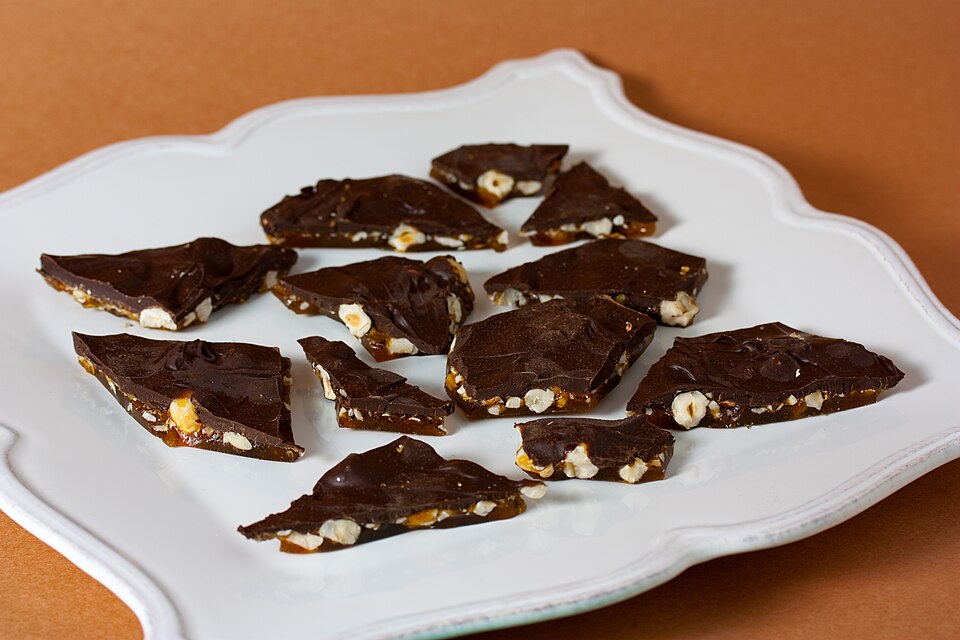
Christmas chocolate bark is a slab of melted chocolate topped with something crunchy, allowed to set and broken into pieces. It is an easy homemade present because there is no pastry to roll, no cake to ice and very little opportunity to argue with a piping bag. This original version combines dark chocolate, toasted hazelnuts and small pieces of candied orange peel. Pack a few shards with a handwritten label and pair them with decaf coffee for an edible gift that might actually get used.
The recipe makes roughly eight small gift portions or one serving plate. Make a trial batch in November if you want to practise, then prepare a fresh batch closer to Christmas before handing it over. The ingredient balance below is an editorial recipe suggestion rather than a claim of laboratory or kitchen testing.
Ingredients for Christmas chocolate bark
- 300 g dark chocolate, broken into evenly sized pieces
- 70 g hazelnuts, toasted and roughly chopped
- 25 g candied orange peel, chopped into small dry pieces
- A small pinch of flaky sea salt, optional
- Baking parchment and a clean, flat baking tray
Choose chocolate you already like eating. A high cocoa percentage is not a moral achievement, and a slightly sweeter bar can be a better fit for some recipients. If you choose milk chocolate, expect a sweeter result. Always check the actual ingredient labels, including allergens, especially when making food for someone else.
Use candied orange peel, not fresh orange juice. Extra water is unwelcome when melting chocolate and fresh fruit complicates gift storage. If the recipient dislikes citrus, omit the peel and let the hazelnuts do the talking.
How to make festive chocolate bark
- Line the tray. Place baking parchment on a flat baking tray. Ensure the worktop, bowl and spoon are completely clean and dry.
- Prepare the topping. If the hazelnuts need roasting, warm them gently in the oven until aromatic, allow them to cool and chop them roughly. Cut the candied orange peel into small pieces.
- Melt the chocolate. Put the chopped chocolate in a microwave-safe bowl. Heat it in short bursts, stirring between each burst, until just melted and smooth. Alternatively, use a heatproof bowl set above a pan of gently simmering water without allowing the bowl to touch the water.
- Spread the slab. Pour the melted chocolate onto the parchment and smooth it into a fairly even rectangle around half a centimetre thick. Exact dimensions and perfect edges are unnecessary.
- Add the crunch. Scatter the hazelnuts and candied peel over the soft surface. Press larger pieces gently into the chocolate so they are less likely to fall away later. Finish with a very small pinch of salt if wanted.
- Set it. Leave the tray somewhere cool and dry until the bark is completely firm. A brief spell in the fridge can help in a warm kitchen, though condensation after chilling can affect the finish.
- Break and pack. Lift the set slab from the parchment and snap into irregular shards. Keep the pieces in an airtight container until you are ready to package them.
The shards are supposed to be uneven. If every piece has four immaculate straight sides, you have accidentally opened a factory.
Why chocolate bark works as a homemade Christmas gift
One slab can be divided into several little bags or boxes without needing to bake a full cake for every person. Food-safe packaging lets the chocolate remain visible and a plain card can identify the ingredients. Write the preparation date and storage advice on the label. Hazelnuts are an especially important ingredient to declare because they are a major allergen.
There is a current UK seasonal flavour story behind the combination. British Baker’s October 2026 Christmas trends coverage discusses gift-sized festive treats and a consumer appetite for chocolate, citrus and hazelnuts. Its wider bakery findings do not prove people are specifically making this bark recipe, but they help explain the appeal of a familiar sweet with a small festive twist.
For a broader practical reference, Good Food’s collection of chocolate bark recipes includes Christmas treats and edible presents. Our quantities and combination here are an original home adaptation designed to sit alongside a proper cup of decaf.
How to store and wrap homemade chocolate bark
Keep the bark in a cool, dry place in an airtight container, away from heating, sunlight and strong smells. Storage life depends on the chocolate, its ingredients and the topping. Dry nuts and candied peel are generally more practical for gifting than fresh berries or creamy fillings, but always check the food labels for their own date and storage instructions.
For a home gift, make the batch close to the intended handover date rather than promising it will survive until Easter. Food-safe paper bags, small cardboard boxes or sealed containers work better than loose wrapping in a coat pocket. Separate layers with baking parchment if the shards are likely to stick together.
Chocolate sometimes develops pale streaks after repeated changes in temperature. The finish can be disappointing even when the ingredients have not otherwise spoiled. A stable, cool storage location is useful. This is a straightforward melted-chocolate recipe, not a professional tempering lesson, so a glossy shop-window finish is not promised.
What coffee pairs with chocolate and hazelnuts?
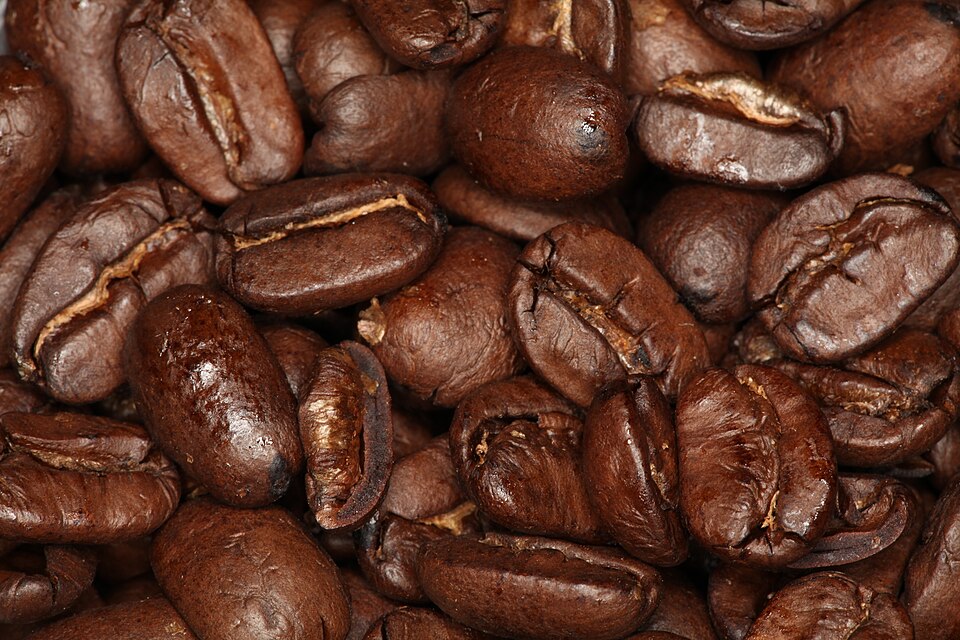
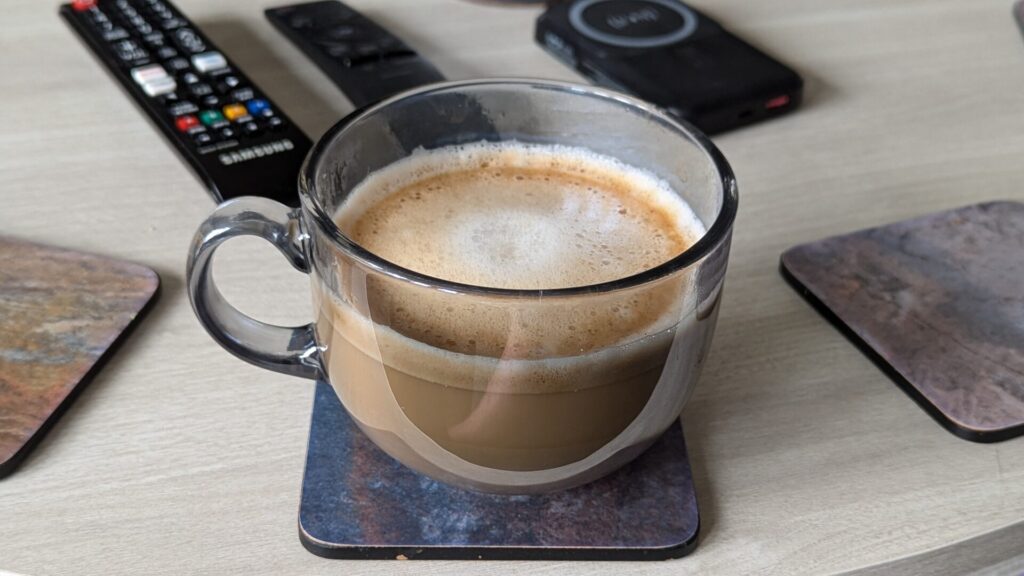
Dark chocolate, nuts and a little orange make a good small bite alongside coffee. If the recipient enjoys coffee but would like to reduce caffeine, pair a box of bark with Everyday Italiana Decaf Coffee. I Love Decaf currently offers it in beans and ground forms, so choose the format that suits their brewer.
Serve the bark on a plate and the decaf in a separate cup. You get a contrasting nibble with every sip without trying to dissolve a large piece of chocolate in a mug. Nobody needs to fish a hazelnut out of an espresso machine.
A gift of coffee becomes more useful when it matches the recipient’s equipment. A cafetière normally calls for a coarser grind than espresso. If you do not know what brewer they own, beans are a suitable gift only when they have a grinder. Ask before selecting rather than relying on festive optimism.
Simple changes for different tastes
For someone who dislikes orange, leave out the candied peel and increase the toasted hazelnuts slightly. If you want a nut-free version, make it separately with suitable alternative ingredients and take cross-contact seriously. Removing nuts from the finished bark is not an allergy-safe solution.
To reduce bitterness, choose chocolate with a lower cocoa percentage. Do not add a splash of brewed coffee, fruit juice or other water-based flavouring to melting chocolate, as it can make the mixture seize. Save the coffee for serving alongside the finished pieces.
Christmas chocolate bark questions
Do I need a chocolate mould?
No. A flat tray lined with parchment is enough. You are breaking the slab into rustic pieces, so the edges can look homemade.
Can children help?
Children can scatter cooled toppings and help with packaging under adult supervision. Adults should handle the oven, hot bowls and melted chocolate.
Can I post homemade bark as a present?
Heat and rough handling can melt or crack the shards. Use secure food-safe wrapping, protection inside the box and sensible weather conditions. Do not promise that it will arrive looking quite as tidy as when it left the kitchen.
Complete the present: add Everyday Italiana decaf beans or ground coffee to a box of handmade chocolate bark. You have made the chocolate. We can provide the coffee to go with it.