Coffee truffles are small chocolate sweets made from a chilled chocolate ganache with coffee flavour. For a decaf version, add a small amount of concentrated brewed decaf coffee to dark chocolate and double cream, chill until firm and roll into cocoa-dusted balls. You do not need alcohol, specialist moulds or a chocolate tempering machine. You do need to keep cream-based truffles refrigerated. The basic recipe below makes a modest batch for a December dessert table or a carefully chilled handmade gift.
Why coffee truffles are worth making before Christmas
Truffles suit the period between late November and Christmas because they can be served in small portions with coffee or included in a short-distance chilled gift. The UK delicious. magazine Christmas truffles recipe presents chocolate truffles as an edible festive gift. Our version uses a different, uncomplicated combination of brewed decaf coffee, dark chocolate and cream, without alcohol or ready-made chocolate shells.
There is also a clear UK seasonal search pattern. WLW Keyword Planner historical GB estimates checked on 6 November 2026 give “coffee truffles” around 210 average monthly searches over the measured year, with approximately 590 in December 2025 and 170 in September 2026. The narrower “coffee truffles recipe” phrase averages around 70 searches a month. These rounded estimates indicate seasonal interest, not guaranteed December sales and not a live Google Trends spike.
These truffles serve a different purpose from our decaf coffee fudge recipe. Fudge is cut into squares from a set slab; truffles are scooped and rolled from chilled chocolate ganache. Choose fudge for neat slices or truffles for a softer, richer centre. Both need appropriate chilled storage.
Decaf coffee truffles: ingredients and equipment
Makes: approximately 16 to 20 small truffles. Active preparation: about 20 minutes. Chilling time: around 2 to 3 hours, depending on the fridge. You need a heatproof bowl, a small saucepan, baking parchment, a teaspoon and a lidded fridge-safe container.
Ingredients
- 240g good-quality dark chocolate, ideally around 60% to 70% cocoa, chopped finely
- 100ml double cream
- 20ml strong brewed decaf espresso, gently reduced to about 10ml and cooled slightly
- 15g unsalted butter, cut into small pieces
- 2 tablespoons unsweetened cocoa powder for rolling
- Optional: 1 teaspoon finely grated orange zest or a small pinch of ground cinnamon
- Optional coating: 2 tablespoons finely chopped toasted nuts, provided everyone eating them can have nuts
If you want a sweeter result, use chocolate at the lower end of that cocoa range. Milk chocolate behaves differently and may make the mixture softer; do not swap it gram for gram without adjusting the recipe. Check the chocolate label for milk, soya and nut ingredients or cross-contact statements. Heavy use of flavours can hide the coffee rather than improve it.
How to make the truffles
- Line a small tray with baking parchment. Chop the chocolate into small, even pieces and put it in a dry heatproof bowl.
- Brew a short strong decaf espresso. Put 20ml in a very small saucepan and simmer gently until around 10ml remains. Keep an eye on it: a tiny volume can disappear quickly. Remove it from the heat.
- Warm the double cream in a clean saucepan until it is steaming and just beginning to show tiny bubbles at the edge. Do not bring it to a rolling boil.
- Pour the warm cream over the chocolate. Leave it for one minute, then stir slowly from the middle until the mixture looks smooth. If pieces remain, set the bowl briefly over barely warm water and stir gently.
- Stir in the cooled concentrated decaf coffee and the butter. Continue stirring until the ganache is even and glossy. Do not add an extra full espresso shot: the added water can make setting harder.
- Let the mixture cool until it is no longer hot, cover it and refrigerate within two hours of preparation. Chill until firm enough to scoop, checking after about two hours; the exact setting time depends on the chocolate and the depth of the mixture.
- Use a teaspoon to portion the mixture. With clean hands, roll quickly into small balls and drop them into a shallow dish of cocoa powder. Work in batches so the ganache does not get too warm.
- Transfer the rolled truffles to a clean covered container and refrigerate promptly. Keep chilled until serving.
Chocolate brands, cocoa percentages and cream fat levels affect how firmly ganache sets, so chilling times can vary. If the mixture is too soft to roll, chill it longer. If it remains soft, serve it in little dessert pots as a chocolate and coffee ganache. The recipe is a practical home method, not a claim of independent kitchen testing.
Which decaf coffee should go into a chocolate truffle?
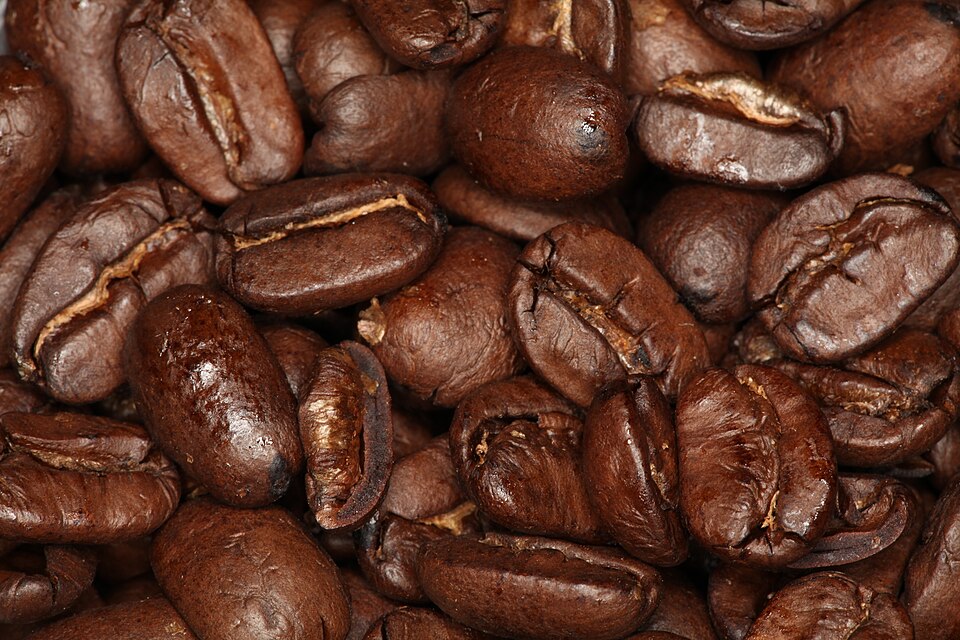
Use real brewed coffee for a balanced flavour without gritty powder. Everyday Italiana Decaf Coffee is one suitable I Love Decaf option. Its current product page describes Brazilian Arabica beans, a medium roast and water processing, offered in bean or ground formats. The beans or suitable ground coffee should be brewed and filtered before they touch the ganache. Do not tip unbrewed grounds into the bowl and expect them to dissolve.
A short espresso is the simplest way to get a concentrated flavour. A moka pot or a small amount of stronger-than-usual cafetière coffee can also work if the coffee is well filtered. The key is using only a small amount of liquid. The ganache gets its structure from chocolate and cream, not from faith in the word “truffle”.
Three finishes for a Christmas plate
- Classic cocoa: roll in unsweetened cocoa for a slightly bitter finish that balances the chocolate.
- Orange and cocoa: stir 1 teaspoon finely grated zest of a washed, unwaxed orange into the ganache before chilling. Avoid orange juice because it adds unnecessary liquid.
- Nutty finish: roll a separate batch in chopped toasted hazelnuts if there are no nut allergies. Keep these clearly labelled and apart from truffles intended for anyone avoiding nuts.
For a neat plate, serve the truffles in small paper cases straight from the fridge. A little cocoa dust on the table is normal. A full cocoa explosion over someone’s new Christmas jumper is optional but not encouraged.
Storing and gifting cream-based truffles
Fresh double cream makes these a chilled homemade food, not a shelf-stable boxed confection. UK Food Standards Agency guidance published on GOV.UK advises keeping the fridge at 0 to 5°C and eating refrigerated leftovers within 48 hours or freezing where appropriate. As a cautious home rule for this fresh-cream recipe, make them close to serving and use within 48 hours when refrigerated. Follow the shortest relevant use-by instructions on ingredients. Do not make them in early November and leave them in a warm cupboard until Christmas.
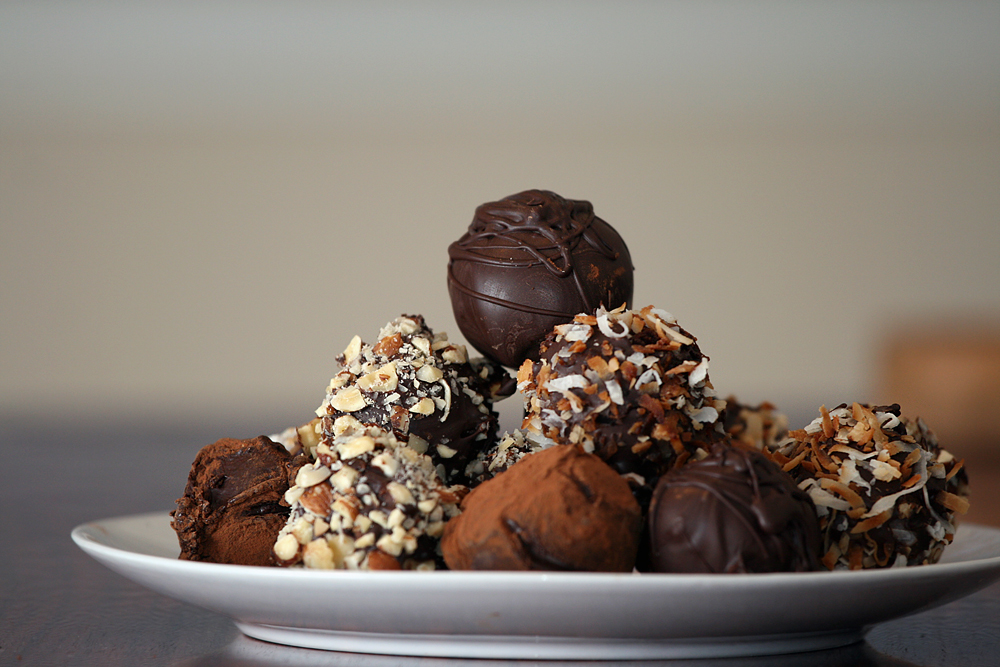
If gifting, use a clean food-safe box, transport the truffles chilled and give the recipient a note to refrigerate immediately and eat promptly. Include the ingredients and allergens, particularly milk, soya and any nuts. The photograph illustrating this article shows assorted chocolate truffles, not the exact decaf batch made with this recipe.
Troubleshooting chocolate truffles
- Too soft to roll: chill longer. If still very soft, the chocolate-to-liquid ratio may have been too low for your ingredients. Serve the ganache in tiny dessert pots rather than pretending it will stand up on a plate.
- Grainy mixture: finely chop the chocolate and use gentle heat. Adding cold liquid suddenly to very hot chocolate can make mixing difficult.
- Weak coffee taste: brew the coffee more concentrated next time. Avoid adding large amounts of unreduced brewed coffee to rescue this batch.
- Cocoa coating goes damp: roll the truffles shortly before serving or roll again lightly if condensation has affected the finish.
Frequently asked questions
Are decaf chocolate truffles caffeine-free?
No. Decaffeinated coffee can retain some caffeine and cocoa naturally contains caffeine. The coffee component is decaf, while the finished sweet should not be presented as completely caffeine-free.
Can I make the truffles without alcohol?
Yes. This recipe contains no added alcohol. If you experiment with vanilla extracts, flavourings or ready-made decorations, check their labels if you specifically need an alcohol-free result.
Can I use instant decaf coffee?
You can dissolve a very small amount of instant decaf in a teaspoon of warm water, but the taste and texture can differ from brewed coffee. Begin modestly. This published version is designed around a short shot of brewed, filtered decaf.
Can I post these truffles to someone?
A room-temperature postal journey is a poor fit for fresh-cream homemade truffles. Keep them for local handover with reliable cold transport or choose a properly shelf-stable shop-bought gift with its own storage instructions.
Make a small batch, then make a decent coffee
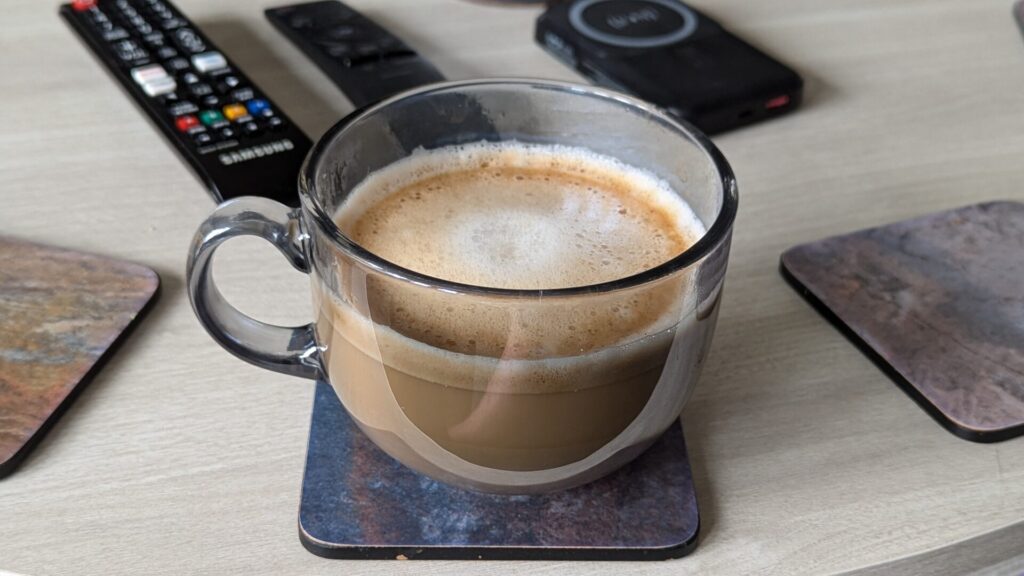
A few carefully made chocolate truffles alongside a cup of decaf are enough for a pleasant Christmas dessert. If you need an everyday coffee to brew into the ganache and to serve with it, see Everyday Italiana Decaf Coffee. Choose beans or the correct grind for your equipment and keep the finished truffles in the fridge until they are needed.
Featured image: illustrative chocolate truffles photographed by David Leggett, original image on Wikimedia Commons, CC BY 2.0. No changes to the photograph. The pictured truffles are not the recipe result.