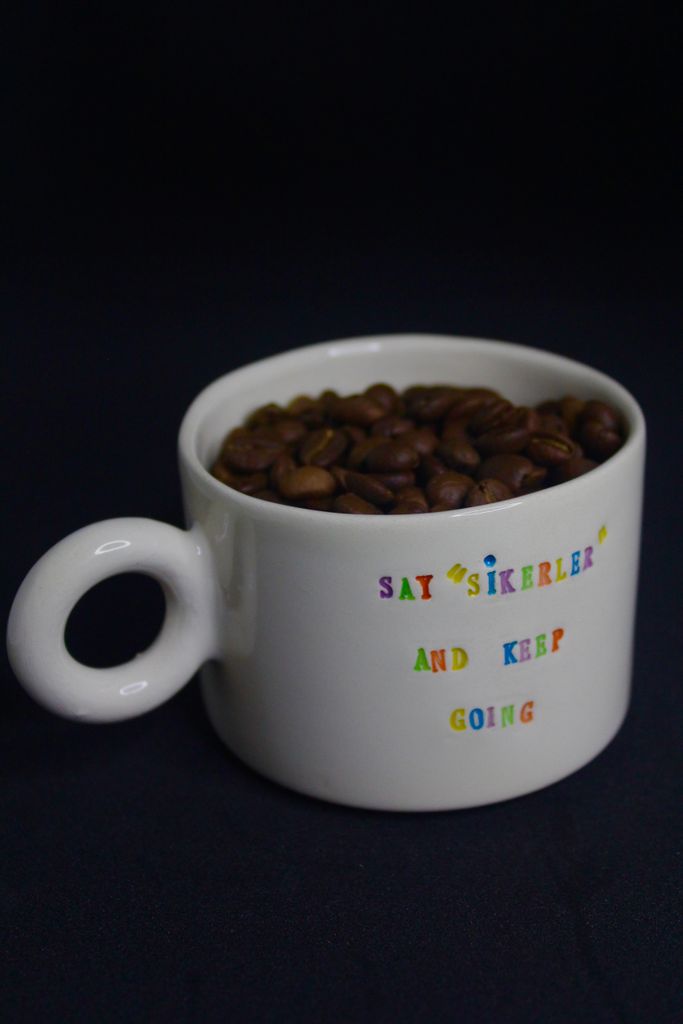
Decaf can taste every bit as satisfying as a regular cup, provided you brew it properly. The secret is less mysterious than some coffee forums suggest. Use the right grind, a consistent dose and a sensible amount of water, then adjust based on the taste.
You do not need a competition trophy, a tattoo of a portafilter or a fifteen-minute speech about extraction. Start with one brewing method and make small changes. Here is a practical guide for British kitchens, including espresso, cafetière and filter coffee.
Why decaf may need its own grinder setting
Decaffeinated beans have been through processing before roasting. They can grind and extract differently from the regular beans you usually buy. A grinder setting that produces a good espresso with caffeinated beans may give a rushed, thin shot with decaf, or an over-extracted one. The solution is to adjust your recipe for the coffee in front of you.
Change only one variable at a time. If you alter dose, grind, temperature and extraction length simultaneously, you will have no idea which change helped. It is a fine way to spend an afternoon being cross with a machine.
Cafetière: a reliable everyday decaf
Use roughly 15g of coarse-ground decaf for 250ml of hot water as a starting point. Place the grounds in the cafetière, add the water and ensure everything is wet. Let it steep for approximately four minutes, plunge slowly and pour out the coffee without leaving it sitting on the grounds for another quarter of an hour.
If the cup tastes thin, try a little more coffee or a slightly finer grind. If it is bitter and muddy, try grinding more coarsely and decant promptly. The amount marked ‘three cups’ on a cafetière can be far smaller than three actual mugs.
Filter coffee: clarity and a cleaner cup
For a pour-over, start at approximately 15g medium-ground decaf to 250ml water. Place the paper filter in its cone and rinse it if the instructions recommend doing so. Wet the grounds with a little hot water, then pour the rest gently in stages. A total brew time around three minutes is a useful starting target.
If water rushes through and the result is sharp, grind slightly finer. If the filter drains too slowly and tastes harsh, try slightly coarser. The right answer varies with the beans, filter and equipment. Our ground decaf guide explains the grind choices.
Espresso: get a repeatable shot before chasing crema
A common starting espresso recipe is 18g ground coffee in and approximately 36g espresso out. Many coffees work somewhere around 25 to 30 seconds, but taste is more useful than worshipping the stopwatch. Aim for even distribution and tamping, then adjust grind as needed.
When the shot is sour and weak, try a finer grind or longer extraction. When it is harsh and dry, try a coarser grind or shorter yield. Decaf can produce crema, although freshness, roast and extraction affect the result. A thick-looking crema is not a certificate of good flavour.
Bean-to-cup machines: simple changes first
Automatic machines give you less direct control but usually allow grind, strength or drink volume adjustments. Start with a medium-bodied decaf bean and a short, repeatable espresso-style programme. If it tastes watery, reduce the drink volume before assuming the coffee itself is weak.
Check the manual before adjusting the grinder, particularly when it must only be changed while grinding. If your machine stores two bean types in one hopper, fully changing from regular to decaf may require clearing the previous beans. Residual regular coffee can affect caffeine intake.
The most useful troubleshooting checklist
- Sour and thin: finer grind or more extraction may help
- Bitter and dry: coarser grind, shorter brew or less heat may help
- Weak with milk: brew a more concentrated base before adding milk
- Muddy cafetière: coarser grounds, slower plunge and prompt decanting
- Inconsistent results: weigh coffee and water before changing the beans
Choose your coffee for the method. Espresso blends, filter-friendly medium roasts and full-bodied dark coffees serve different preferences, but a bag’s intended method is a guide rather than a strict rule. The I Love Decaf beans guide helps you match roast and brewing preferences.
Frequently asked questions
Should I brew decaf hotter? There is no universal decaf-only rule. Start with the coffee’s recommended range and change temperature only after checking grind and ratio.
Do you need a special decaf grinder? No. A suitable grinder can handle both. You may need a different setting.
Why is my decaf espresso running too quickly? Grind may be too coarse for that coffee, or the dose and puck preparation may need adjustment.
UK reference and recipes
These starting recipes are consistent with practical guidance published by FOCCO Coffee Roasters and Magnetic North Coffee. Adjust to your own beans, equipment and taste.