Photo: Superbass, CC BY-SA 4.0
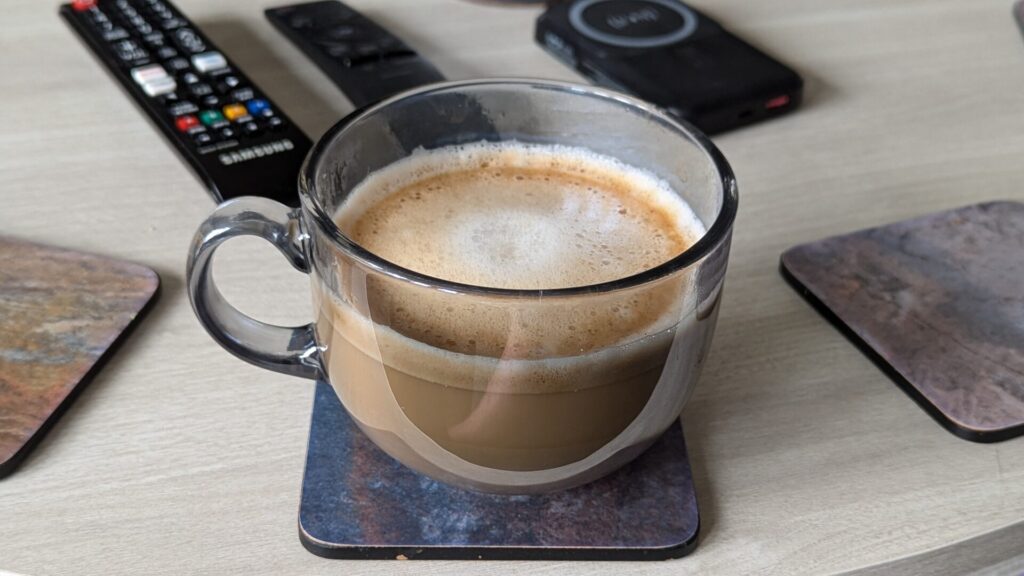
A Spanish-style latte is a sweet, milky coffee with an espresso base. For this homemade decaf version, mix a small spoonful of sweetened condensed milk with strong coffee then add milk. Make it warm for a cosy cup or pour the mixture over ice. The condensed milk does the sweetening, so there is no need for novelty syrup, a mountain of toppings or a receipt long enough to use as a scarf.
This is an original recipe suggestion for one generous drink, with UK measurements and an adjustable level of sweetness. You do not need a particular coffee machine. The important thing is brewing coffee strong enough to retain its flavour once the milk arrives.
Ingredients for one decaf Spanish-style latte
- 35 to 45 ml double decaf espresso or concentrated decaf coffee
- 150 ml milk, either dairy or an unsweetened plant-based alternative
- 10 to 20 g sweetened condensed milk, roughly 2 to 4 teaspoons
- Ice cubes, for the chilled version
- Ground cinnamon, optional, for a light finishing dusting
Begin with 10 g of condensed milk and taste before adding any more. Brands vary in sweetness and thickness. Condensed milk contains dairy, so replacing the ordinary milk with oat drink will not make this version dairy-free. You would need a suitable dairy-free condensed alternative too, and should check its ingredients and preparation instructions.
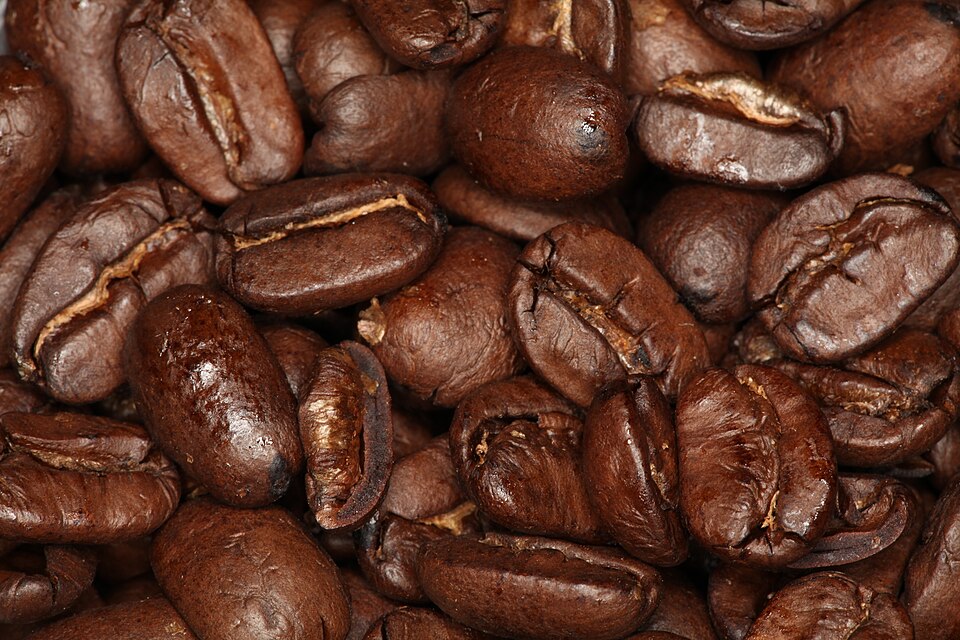
For the coffee base, try Naturally the Best Colombian Decaf Coffee. The current I Love Decaf listing offers beans, ground and fine-ground options. It describes a medium-roast Arabica coffee that works for espresso and longer brews. Choose the grind suited to your machine.
How to make a hot Spanish latte
- Prepare the mug. Put 10 g of condensed milk into a heatproof cup. Save the rest until you have tasted the finished drink.
- Brew the decaf. Make a double espresso of roughly 35 to 45 ml, or prepare a similar small, strong coffee in a moka pot. A cafetière can work, provided you brew a concentrated cup rather than a weak, long one.
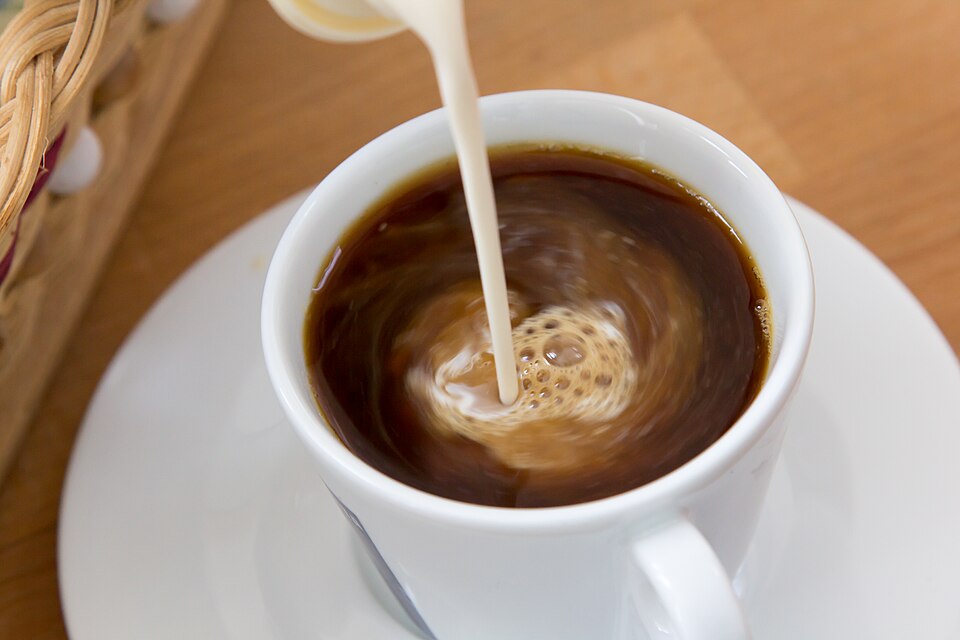
- Mix the base. Pour the coffee over the condensed milk and stir until the thick milk dissolves. It combines much more easily while the coffee is warm.
- Warm the milk. Heat 150 ml gently until steaming but not boiling. Add a little foam if you like. The point is a smooth drink, not a milk-foam sculpture.
- Finish and taste. Add the warm milk, stir once and take a sip. Add another small teaspoon of condensed milk only if you really want a sweeter result.
The coffee should still taste recognisably like coffee. If the finished mug seems closer to pudding, use less condensed milk next time. It is meant to be comforting, not a test of your dentist’s courage.
How to make an iced Spanish latte
The same ingredients work cold. Dissolve the condensed milk in freshly brewed hot coffee before introducing ice. Trying to whisk thick condensed milk into a cold glass can leave a sweet layer at the bottom. The first sip tastes innocent and the last one resembles a dessert concentrate.
- Stir 10 g of condensed milk into 35 to 45 ml hot decaf until smooth
- Allow this coffee mixture to cool slightly in a heatproof cup
- Fill a sturdy glass halfway with ice, then add 150 ml of cold milk
- Pour in the coffee mixture slowly, stir and taste before sweetening further
Avoid pouring boiling espresso straight into thin, ordinary glassware. Ice melts and increases the total liquid, so a short strong coffee works better than a full mug made with the same amount of grounds. A few moments of pretty layering are fine. Stir before drinking if you want an even flavour.
Is a Spanish latte the same as café con leche?
People use these labels for different drinks. Traditional Spanish café con leche usually combines coffee with hot milk and does not require condensed milk. Good Food’s Spanish latte recipe by Milli Taylor illustrates this more traditional hot coffee-and-milk style.
The sweeter condensed-milk recipe here is a modern Spanish-style latte variation. It is a useful home adaptation, not a claim that every café or household in Spain prepares coffee this way. Knowing the distinction is handy when you search for a recipe and find two completely different ingredient lists under one name.
What coffee works best with condensed milk?
A strong decaf espresso stands up well to sweet milk because you have concentrated flavour in a small amount of liquid. A medium roast can provide a good balance, but strength also depends on dose, grind and extraction. The roast description alone will not rescue a watery brew.
If you have a bean-to-cup machine, make a short coffee before adding milk. With a cafetière, concentrate the brew and strain carefully. If it tastes flat, I Love Decaf’s guide to getting your decaf grind right covers a useful starting point. Do not solve weak coffee by adding more condensed milk.
Three common Spanish latte problems
It is too sweet
Reduce the condensed milk first. Using unsweetened milk helps, as does a well-brewed espresso. More bitterness is rarely the most elegant solution to too much sweetness.
It tastes weak
Make the coffee shorter and more concentrated. In the iced version, consider using larger ice cubes, which tend to melt more slowly, and drink it while the ice is still doing its job.
The iced version settles into layers
Stir the condensed milk into warm coffee first, then mix the final drink. If you want a photograph with defined layers, take it before stirring. The camera is finished; now you can make the drink taste right.
Spanish latte questions
Can I use ground decaf instead of beans?
Yes. Ground coffee is fine provided the grind suits your equipment. A cafetière, moka pot and espresso machine need different preparation approaches.
What if I have no condensed milk?
Make a conventional milky decaf coffee with a little sugar if wanted. It will be less rich than this variation, but you may prefer it that way.
Is decaf completely free of caffeine?
No. Decaf still contains small amounts of caffeine. It is a practical option for enjoying a coffee flavour with less caffeine.
Give the drink a proper coffee base: choose Naturally the Best Colombian Decaf Coffee in a grind suited to your brewer. The condensed milk can handle the sweetness. The decaf can handle the coffee.