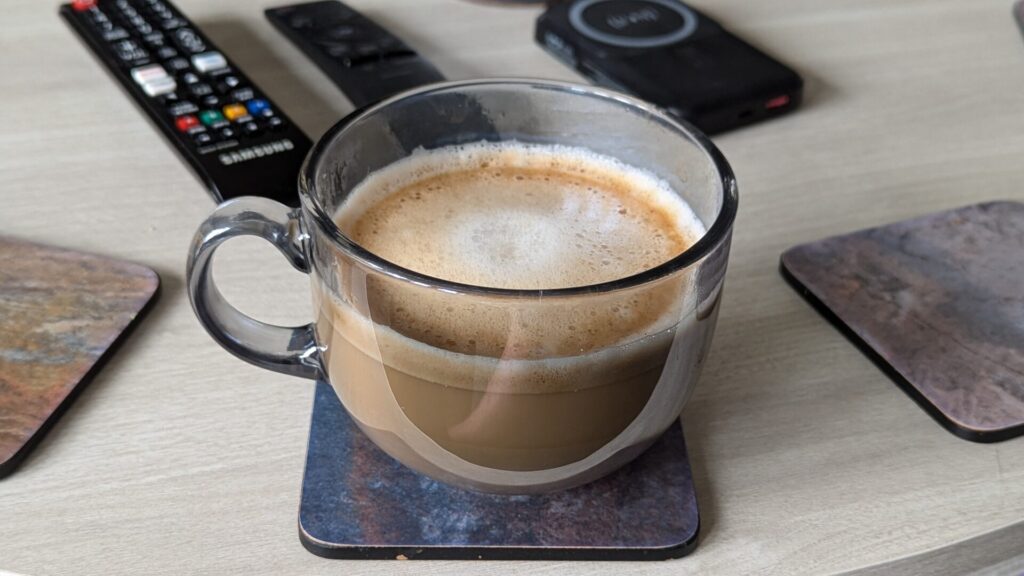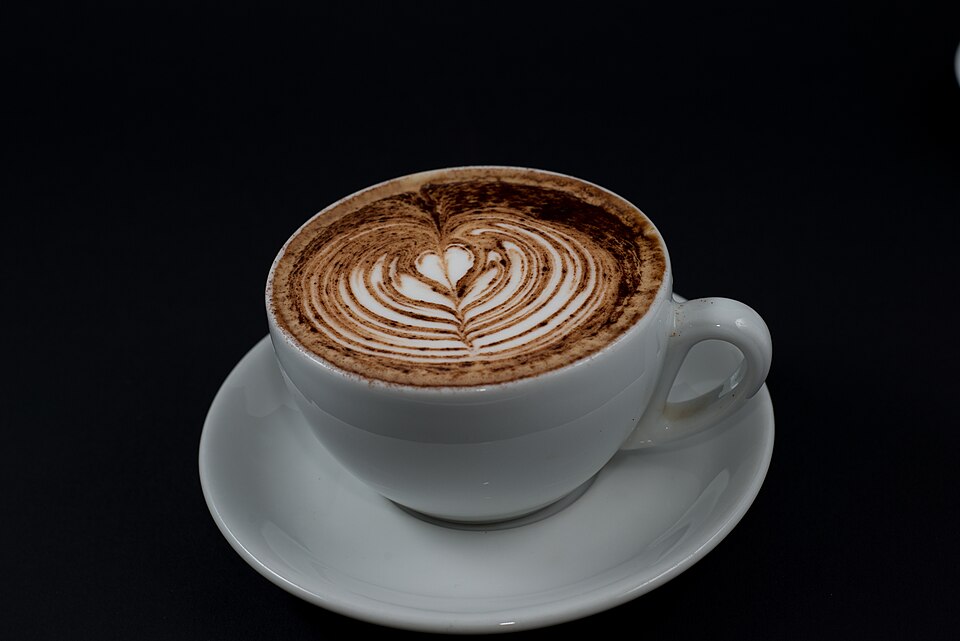
Photo: Shixart1985, CC BY 2.0 (resized for web). Illustrative latte, not this finished recipe.
A brown butter latte is a milky coffee with the toasted, almost biscuit-like flavour of butter that has been gently cooked until golden. Make it with a short, strong decaf espresso, warm milk and a small spoonful of cooled brown butter. The trick is patience: the butter should smell nutty, not burnt, and the finished drink needs a good whisk because butter and coffee do not naturally stay together.
It’s a useful little winter project for someone who has grown tired of opening bottles of flavoured syrup. You’ll need a saucepan, a mug and enough attention to stop the butter turning from golden to charcoal while you’re looking for a teaspoon.
Why brown butter is appearing in autumn and winter flavours
Brown butter has become a talking point in British food and bakery circles. On 1 October 2026, British Baker reported brown butter among ten flavours predicted for autumn and winter 2026, using food industry research that included desserts and drinks. The idea is simple: a familiar rich flavour gets more interesting when its milk solids are toasted.
That doesn’t establish a nationwide latte craze. UK Google Keyword Planner estimated around 40 monthly searches for the exact phrase “brown butter latte” in September and October 2026, compared with 20 in November and December 2025. Those are rounded search estimates from a small base, not proof of a sudden breakout. The appeal here is a new way to make an actual cup of decaf coffee taste interesting.
Brown butter latte recipe
Makes: 2 small lattes. Preparation: about 5 minutes. Cooking and assembly: about 10 minutes. The method is designed for an ordinary UK kitchen and has not been presented as a professionally kitchen-tested product recipe.
Ingredients
- 20g unsalted butter
- 2 short decaf espressos, about 35ml each, or 70ml of concentrated decaf coffee
- 300ml milk or a barista-style alternative that foams well
- 2 teaspoons soft light brown sugar, or less to taste
- 1 teaspoon warm water, only if needed to loosen the sugar and cooled butter
- A small pinch of ground cinnamon, optional
Choose a coffee with enough character to come through the milk. Naturally the Best Colombian Decaf Coffee makes a straightforward starting point for the espresso or strong coffee base. Select a suitable grind for your equipment when ordering.
Method
- Brown the butter. Put the butter in a small light-coloured pan over medium-low heat. It will melt, foam and eventually show golden flecks at the bottom. Swirl the pan and watch it closely. As soon as it smells toasted and looks amber, take it off the heat and pour into a heatproof bowl so the hot pan cannot keep cooking it.
- Let it cool slightly. Wait several minutes until the butter is no longer sizzling. Hot butter can spit when liquid is added. Stir in the sugar once the fat has cooled a little. If it is too thick to mix, work in a very small amount of warm water carefully, a drop at a time.
- Brew the decaf. Make two short espressos or use concentrated coffee from a moka pot. For cafetière coffee, use a stronger brew than you would normally drink, otherwise the milk and butter will dominate.
- Warm the milk. Heat the milk until steaming but not boiling. Froth if you can, using a steam wand or handheld frother. Gentle heat gives a smoother texture than boiling.
- Combine the flavours. Divide the brown butter and sugar between two mugs. Add a little hot espresso and whisk vigorously to disperse the butter before adding the rest of the coffee. Pour in the milk while whisking, finish with foam and serve immediately.
You may see tiny butter droplets or a slight sheen on the surface. This is normal for a drink containing real melted butter. Stir again before drinking. If you prefer a fully stable coffee, use a properly made brown-butter syrup instead of straight butter, bearing in mind that it requires extra preparation.
How to get the toasted flavour without a greasy drink
Start with less butter than you think
Ten grams per cup is a modest amount but may still feel rich. Try half that amount first. You want the browned milk solids to contribute flavour; you don’t want to spend the afternoon drinking warm melted butter. A small whisk is more useful here than a towering pile of foam.
Use unsalted butter
Unsalted butter lets you control sweetness and avoid accidentally producing a savoury coffee. Brown the butter first before experimenting with salt. There is already plenty happening in a cup that contains coffee, warmed milk and toasted fat.
Keep the espresso strong
A very long or watery brew can disappear under the milk. Espresso, moka pot coffee or a deliberately concentrated cafetière brew gives the coffee a fighting chance. The drink should still taste like coffee.
Know when to stop browning
Golden flecks and a warm biscuit-like smell are what you want. Dark black particles and an acrid smell signal burnt butter. Start again with a clean pan if that happens. The result is expensive disappointment dressed up as sophistication.
Can you make this without dairy?
The defining ingredient in this version is dairy butter, so replacing just the milk does not make the recipe dairy-free. Some plant-based spreads contain a different balance of water, fat and solids and will not brown in the same way. For a dairy-free toasted flavour, try a small amount of carefully toasted dairy-free syrup or an independently labelled suitable alternative, without assuming it behaves like browned dairy butter. Check ingredients and allergen information for your chosen products.
Can you make an iced brown butter latte?
You can, but the butter will firm up as it cools and may leave floating pieces. If you want an iced drink, use a brown-butter-flavoured syrup that is specifically formulated to stay mixed when cold, rather than pouring melted butter over ice. The warm version is much more forgiving and better suited to this simple homemade method.
Frequently asked questions
Does brown butter contain nuts?
Brown butter is browned dairy butter, so the nutty description refers to its flavour. It is not made from nuts. It still contains milk and is unsuitable for anyone avoiding dairy because of allergy or other dietary needs.
Can I use ground decaf coffee?
Yes. Use beans or ground decaf appropriate for your machine. Espresso grind, moka pot grind and cafetière grind are different, so match the coffee to the brewing method rather than hoping any bag will do everything.
Can I make the browned butter ahead?
Prepare the butter separately, let it cool and refrigerate it promptly in a clean covered container. Rewarm gently when making the latte. Follow ordinary refrigerated food storage hygiene and discard it if its quality has deteriorated.
Make the coffee the star
A brown butter latte should taste like a proper decaf coffee with an interesting toasted edge, not dessert poured into a bucket. Begin with a strong espresso, use the butter sparingly and adjust the sugar after the first sip. For a suitable base, see our Colombian decaf coffee in beans and ground options. Then get the little saucepan out and keep an eye on it.