A kilogram of decaf beans can make sense when coffee is an everyday purchase. The useful comparison is the cost of a cup you will actually drink, with a grind and flavour you enjoy. A larger bag is only better value when it fits your brewing habits. Here is how to calculate that before you order, using UK pack sizes and ordinary kitchen arithmetic.
Start with the coffee you actually make
The biggest mistake in buying a large pack is choosing it before deciding what goes in the cup. A person making one cafetière each Saturday has a very different buying pattern from someone pulling two espresso shots every morning. Count the drinks you make in a normal week, including the decaf you share with others. Ignore the ambitious coffee routine you plan to start after Christmas.
Write down three things: how many drinks you make, roughly how much ground coffee each uses and whether you have a grinder. These facts will tell you more about the right pack than a list of dramatic tasting notes.
How many cups are in 250g, 500g and 1kg?
A useful planning example is 15g of coffee for one brewed drink. It is only a calculation, not a universal dose. Espresso recipes, cafetières and filter brewers use different amounts. The actual yield depends on your preferred strength and serving size.
| Pack weight | At 15g per drink | Best suited to |
|---|---|---|
| 250g | About 16 drinks | Trying a new coffee or occasional drinking |
| 500g | About 33 drinks | Regular drinking with some variety |
| 1kg | About 66 drinks | Frequent drinking or more than one coffee drinker |
For a brewer using 20g per serving, a kilogram gives around 50 servings. If your normal dose is 12g, it makes roughly 83. The point is to use your own recipe before deciding that a large bag is cheap or expensive.
Calculate the price per cup, including delivery
Start with the price of the exact same coffee in each pack size. Divide the full cost by the grams you receive, then multiply by your normal dose. When postage applies, add it before doing the arithmetic. If there is a verified discount or shipping threshold, include that in the comparison. Prices and offers change, so use the figures on the live product listing when you buy.
Suppose a 250g pack costs £10, a 500g pack costs £17 and a 1kg pack costs £29 before delivery. At a 15g dose the ingredient cost would be 60p, 51p and about 44p per drink respectively. Those are deliberately illustrative figures, not claims about today’s I Love Decaf prices. The size saving is real only if you drink the coffee while it still tastes good to you.
Do not compare different beans as though they are the same product
A darker roast, a single-origin coffee and a carefully blended everyday coffee may each cost different amounts for good reasons. Comparing a premium coffee in a small pack against an unrelated inexpensive blend in a kilo tells you about two products, not the value of buying larger quantities. Compare like with like first. Then decide whether the flavour difference is worth the price difference.
Choose beans or ground coffee before choosing the weight
Whole beans suit buyers with a grinder who want to adjust their grind for espresso, filter or cafetière. Ground coffee is sensible if you know your machine or brewing method and can choose the correct grind at checkout. Fine ground is not an all-purpose upgrade. A grind suited to one brewing method can be a nuisance in another.
For an espresso machine, look at the machine’s instructions and use a compatible grind. For a cafetière, start with an appropriate coarser grind. If you alternate between brewing methods, whole beans and an adjustable grinder give you more freedom. Buying a kilogram of the wrong grind is an impressively efficient way to become annoyed.
A simple buying decision for each household
- Occasional decaf drinker: start with 250g, establish the flavour you like and check how long the pack lasts
- One daily decaf drink: compare 500g with 1kg using your actual grams per brew and storage routine
- Several drinks a day or shared household: check the 1kg option against the identical coffee in smaller packs
- Still deciding on flavour: try a smaller pack first, then commit to a larger size when you know you like it
- Changing between methods: choose beans if you have a grinder, or select the correct prepared grind for your regular brewer
What makes a decaf worth buying in bulk?
A good bulk purchase starts with trustworthy product information: origin or blend, roast, decaffeination method, intended grind and actual pack options. A speciality origin is interesting, but it does not tell you automatically whether the coffee will suit your taste. A water-based process or sugarcane process describes how caffeine was removed, not a guarantee that every cup will taste the same.
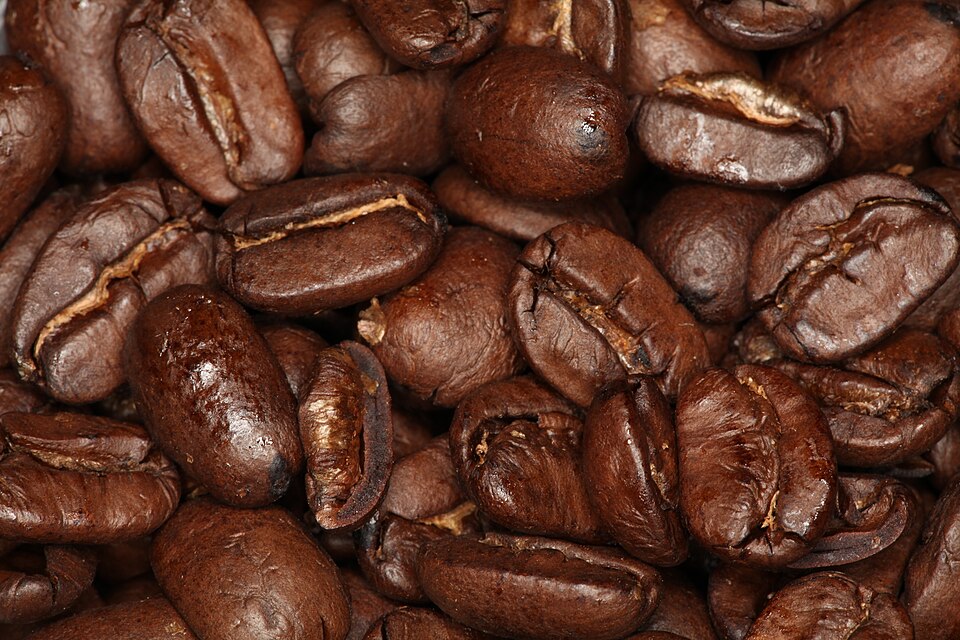
For a concrete option, Naturally the Best Colombian Decaf Coffee is a Colombian Arabica coffee from Huila processed using a sugarcane method. Its live product listing offers beans, ground and fine ground across 250g, 500g and 1kg options. Check the current prices, weight combinations and availability on the product page. The coffee you would buy is the one described there; the photograph accompanying this guide is a generic coffee illustration.
What about keeping a kilogram fresh?
Work out how long the bag will last before you buy it. A kilogram used over a few weeks is a different proposition from one opened repeatedly for many months. Keep the coffee well sealed, dry and away from heat and light. There is no single freshness deadline that applies to every roast, grind and packet.
We have already covered the longer storage question in our separate guide to storing decaf by the kilo. Use that guide if your main concern is dividing larger quantities into sensible portions. This page concentrates on the purchase decision and the cost per cup.
Why the market for proper decaf matters
UK interest in decaf goes beyond novelty drinks. Grocery Gazette’s 11 December 2025 report reported a UK survey of 2,000 consumers in which 26% said they were drinking more decaf and 44% prioritised full flavour. Those figures describe respondents’ reported behaviour, not a verified prediction of your future purchases. They do underline the point that a decaf customer deserves good coffee, not a grudging compromise.
In Google Keyword Planner research checked for the UK on 17 November 2026, the search phrase decaf coffee beans 1kg had an estimated 480 average monthly searches. The monthly estimates are rounded and may combine close variants. This is a focused buying query, not evidence that 1kg sales have suddenly surged.
FAQs
Is a 1kg bag always cheaper per cup?
Check the total price and the exact grams, then calculate your normal dose. Shipping charges, offers and unfinished coffee can change the outcome. A lower ticket price per kilogram does not help if you end up wasting the contents.
Should I buy 1kg in beans or ground?
Match the format to the equipment you already own. Beans give you control if you have a grinder. Ground is convenient when its grind is suited to the brewer you use. The correct choice is the one you can reliably prepare.
How much decaf should I order for a month?
Multiply your usual grams per drink by the drinks you expect to make. At 15g for one daily drink, thirty days require about 450g. At two drinks every day, the same period needs about 900g. Adjust for guests and your own serving sizes.
Choose your next bag
If you already enjoy a full-flavoured everyday decaf and make it regularly, compare the available sizes of Naturally the Best Colombian Decaf Coffee. Start with a smaller pack when the coffee is new to you. The aim is a better cup and a sensible purchase, not the largest bag on the shelf.
Illustrative coffee photograph: Daniel Schwen, Wikimedia Commons, CC BY 3.0. Original photograph, no edits.