Bad decaf coffee is so common that most people assume it is unavoidable. Thin flavour. Bitter finish. A strange aftertaste that feels like regret. Decaf has been blamed for all of this, but the real problem is not the absence of caffeine. It is the absence of care.
Decaf coffee beans are harder to get right than regular coffee, which makes them easier to get wrong. That combination has filled shelves with decaf that is stale, poorly roasted, and sold with just enough vague language to avoid accountability. The good news is that bad decaf leaves clues. You just need to know what to look for.
Why bad decaf coffee is everywhere
Decaffeination alters the structure of the coffee bean before it is ever roasted. This makes decaf more sensitive to heat, time, and handling. It also narrows the margin for error during roasting. Many producers do not adjust their approach and instead roast decaf as if it were regular coffee. The result is predictable. Flat flavour, harsh bitterness, or a hollow cup that tastes tired from the first sip.
Decaf is also often treated as a secondary product. Lower grade green coffee is chosen because it is cheaper. Roasts are pushed darker to hide defects. Freshness is ignored because expectations are already low. Bad decaf exists because the market has tolerated it.
Vague packaging language is your first warning sign
If a bag of decaf coffee relies entirely on words like smooth, premium, rich, or bold without explaining anything specific, be cautious. These words are not lies, but they are not information either. They are placeholders used when there is nothing concrete to say.
Good decaf coffee beans come with details. Origin. Roast intent. Decaffeination method. Sometimes even brewing guidance. When those details are missing, it is usually because including them would not help sell the coffee.
If the decaffeination method is not mentioned, assume the worst
How caffeine is removed matters. Decaffeination methods affect how much flavour survives into the cup. Water based methods, carbon dioxide methods, and solvent based methods all exist, and they do not preserve flavour equally.
If a brand does not tell you how the coffee was decaffeinated, it is asking you to trust it blindly. In decaf, blind trust is rarely rewarded.
For neutral background on decaffeination methods:
https://en.wikipedia.org/wiki/Decaffeination
Water based decaffeination methods such as Swiss Water are often favoured for flavour preservation because they aim to remove caffeine while keeping the bean’s original character intact.
Swiss Water process overview:
https://www.swisswater.com/pages/coffee-decaffeination-process
No roast date usually means stale coffee
Roast date is one of the most important pieces of information on a coffee bag. Coffee begins to change as soon as it is roasted. Aromatics fade. Oils oxidise. Flavour dulls.
Decaf is often less forgiving of staleness because the decaffeination process reduces the bean’s ability to hold onto volatile compounds. If there is no roast date, you have no way of knowing whether the coffee is fresh or whether it has been sitting around long enough to forget why it existed.
If a brand avoids roast dates and instead focuses on long shelf life, it is optimising for storage, not taste.
Suspiciously dark roasts can be a cover story
Dark roast is not automatically bad. But it is often used to mask poor quality beans, especially in decaf. Pushing a roast darker can hide defects, flatten acidity, and create a uniform taste that is easier to sell at scale.
If a decaf coffee is described only as strong or intense, with no mention of balance, sweetness, or brewing method, be cautious. Good decaf can be bold without being blunt. It should still taste like coffee, not charcoal wearing a badge.
Ground decaf reveals quality faster than whole beans
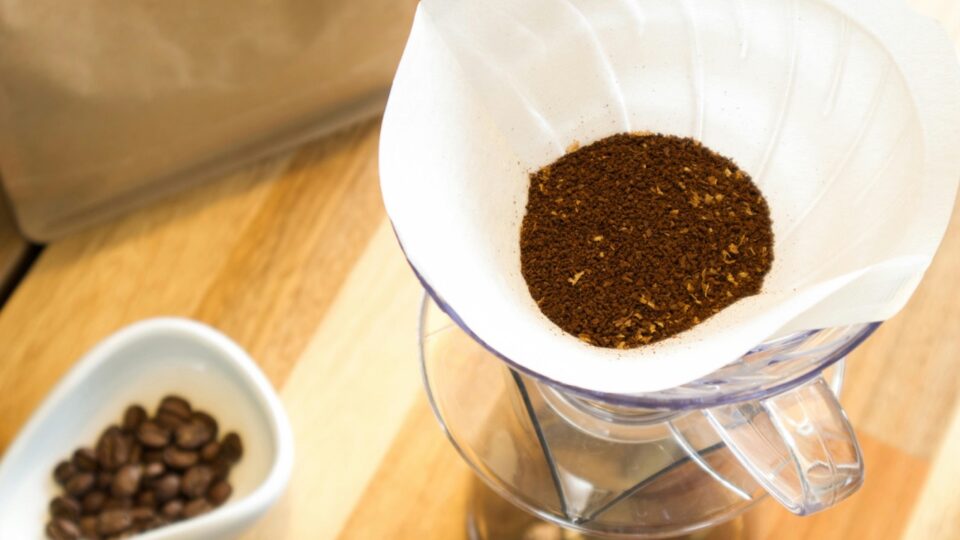
Pre ground coffee stales far faster than whole beans. Once coffee is ground, surface area increases and oxidation accelerates. In decaf, this loss of flavour is especially noticeable.
If a brand sells ground decaf without explaining when it was ground or how freshness is protected, you are likely buying coffee that has already lost much of its character before it reaches your cup.
If you prefer ground coffee, look for options that are ground to order rather than ground in bulk and stored.
One approach designed specifically to avoid stale ground decaf is explained here:
https://www.ilovedecaf.shop/decaf-ground-zero/
Good decaf brands explain the boring details
The boring details are the important ones. Where the coffee comes from. How caffeine was removed. What the roast is designed for. How fresh the coffee is meant to be when you drink it.
Brands that explain these things clearly are usually confident that the coffee can back them up. Brands that hide behind lifestyle imagery and vague claims are often hoping you will not ask questions.
Price can tell you something, but not everything
Cheap decaf is cheap for a reason. Extra processing costs money. Careful roasting costs money. Fresh handling costs money. That does not mean expensive decaf is always good, but extremely cheap decaf is rarely great.
The real value signal is transparency. If a coffee explains itself clearly and still tastes good, it is usually worth what you paid.
How to buy decaf coffee beans with confidence
Ignore hype and rankings. Look for information. Check how the coffee was decaffeinated. Check what it is roasted for. Check whether freshness is taken seriously. Decide based on how you brew and what you value in the cup.
Bad decaf relies on low expectations. Good decaf relies on honesty.
Ready to stop gambling on disappointing decaf
If you want decaf coffee beans that are chosen for flavour, processed transparently, and roasted with intent, you can explore the full range here:
https://www.ilovedecaf.shop/product-category/decaf-coffee/
Life is too short for bad coffee. It is especially too short for bad decaf.