Mastering Decaf Brewing: Tips from the UK’s Top Coffee Champions

Brewing the perfect cup of decaf coffee is an art form, and in the UK, it’s an increasingly popular craft. With the best decaf coffee beans in the UK, such as those offered by I Love Decaf, you can achieve extraordinary results. But decaf coffee requires a slightly different approach to brewing than regular coffee. Here’s a guide to help you make every cup exceptional.

The key to brewing decaf is understanding its unique properties. Because decaf coffee beans go through processes like the Swiss Water or Mountain Water decaffeination methods, they tend to have slightly altered solubility compared to regular beans. This means you’ll need to tweak your grind size, water temperature, and brewing time to unlock their full potential.

Start by selecting the best beans. The Trillionaire’s Decaf Coffee from I Love Decaf is a prime choice, offering a sharp medium body with complex flavours reminiscent of millionaire shortbread. These beans are grown at high altitudes in Mexico and decaffeinated naturally, ensuring a rich and full-bodied flavour.

For brewing, consistency is key. Use a burr grinder to achieve an even grind size, which is crucial for extracting the bean’s full flavour. If you’re using a French press, aim for a coarse grind. For espresso, go finer. Adjust the brewing time as needed—decaf beans often benefit from a slightly longer extraction to release their nuanced flavours.

Water temperature is another critical factor. Aim for a range of 90 to 96 degrees Celsius. Too hot, and you risk over-extraction; too cool, and the coffee will taste flat. Use filtered water to avoid any impurities that could affect the taste.

Finally, don’t be afraid to experiment. Decaf coffee is incredibly versatile and works well with various brewing methods, from pour-over to cold brew. By taking the time to perfect your technique, you’ll discover that decaf can be just as rewarding as its caffeinated counterpart.

With the right beans and a little know-how, brewing decaf coffee can be an incredibly satisfying experience. Whether you’re a seasoned barista or a home brewer, start with the best decaf coffee beans in the UK from I Love Decaf. Your perfect cup is just a brew away.

The Rise of Light Roast Decaf in UK Coffee Shops

The UK coffee scene is buzzing with innovation, and light roast decaf coffee is one of the hottest trends of 2025. Once overlooked, light roast decaf is now celebrated for its bright, vibrant flavours, and the best decaf coffee beans in the UK are at the forefront of this movement.

Light roast decaf is all about showcasing the bean’s natural characteristics. Unlike dark roasts that prioritise boldness, light roasts preserve the delicate, fruity, and floral notes that make each origin unique. Brands like I Love Decaf are redefining decaf with their commitment to quality and craftsmanship.

Their Trillionaire’s Decaf Coffee is a shining example. Using the Mountain Water Method, this blend retains its complex flavour profile while being 99.9% caffeine-free. The beans, sourced from Mexico’s high-altitude farms, offer a harmonious balance of sweetness and acidity, making it a favourite among coffee connoisseurs.

Light roast decaf isn’t just a trend—it’s a reflection of changing consumer preferences. Today’s coffee drinkers want more than just a caffeine fix. They seek flavour, sustainability, and transparency. I Love Decaf meets these demands with ethically sourced beans and a dedication to the craft of decaf roasting.

Coffee shops across the UK are embracing this shift, offering light roast decaf alongside their traditional options. Whether you’re enjoying a pour-over, espresso, or cold brew, light roast decaf delivers a nuanced, satisfying experience that rivals any caffeinated cup.

For those new to the world of decaf, light roasts are the perfect introduction. They challenge the outdated perception that decaf is bland or boring, proving that it can be just as exciting as its caffeinated counterpart. If you’re ready to explore this vibrant side of coffee, start with the best decaf coffee beans in the UK from I Love Decaf. Your taste buds will thank you.

How Decaf Coffee is Revolutionising Sleep Habits in Britain

In today’s fast-paced world, a good night’s sleep has become a luxury. As more Britons prioritise their well-being, decaf coffee is emerging as a surprising hero in the quest for better sleep. With its growing popularity, the best decaf coffee beans in the UK, such as those from I Love Decaf, are transforming bedtime routines across the nation.

Caffeine is a known culprit for disrupting sleep cycles. Consuming it late in the day can delay the onset of sleep, reduce sleep quality, and leave you feeling groggy the next morning. Decaf coffee, on the other hand, offers all the comfort and flavour of your favourite brew without the sleep-depriving effects of caffeine.

A study published in the Journal of Clinical Sleep Medicine found that reducing caffeine intake significantly improves sleep quality. Many Britons are now switching to decaf in the evening, enjoying a soothing cup without worrying about tossing and turning all night. Brands like I Love Decaf make this transition seamless with their rich, flavourful options.

The Trillionaire’s Decaf Coffee is a prime example. Its luxurious blend of Bourbon, Caturra, Typica, and Catuaí beans delivers a decadent taste experience, perfect for winding down after a long day. Grown in Mexico at high altitudes, these beans retain their bold flavours even after the caffeine is removed through the natural Swiss Water Method.

Beyond its sleep benefits, decaf coffee is also kinder to your body. It’s easier on the stomach, reduces anxiety, and contributes to hydration. Switching to decaf isn’t just about sleep—it’s a holistic approach to wellness that fits seamlessly into modern life.

The decaf revolution is here, and Britain is leading the charge. With the best decaf coffee beans in the UK available from I Love Decaf, you no longer have to choose between your love for coffee and a good night’s sleep. Why not make decaf part of your evening ritual and wake up feeling refreshed and ready to take on the day?

Decoding Decaf: A UK Barista’s Guide to Flavour Profiles

Decaf coffee has often been unfairly dismissed as a second-rate option, but the game has changed. In the UK, where coffee culture is thriving, the best decaf coffee beans now rival their caffeinated counterparts in flavour and complexity. Brands like I Love Decaf are leading the charge with bold, innovative blends that are redefining what decaf can be.

The key to great decaf lies in the process. Unlike traditional methods that use harsh chemicals, I Love Decaf employs the natural Swiss Water Method, which retains the intricate flavour profiles of the beans while removing 99.9% of the caffeine. The result? Decaf that delivers on every level.

Take, for example, the Trillionaire’s Decaf Coffee from I Love Decaf. This artisan blend combines the smooth sweetness of millionaire shortbread with a sharp, medium-bodied complexity. Grown by independent smallholders at high altitudes in Mexico, these beans boast rich, nuanced flavours that cater to even the most discerning palate.

Modern decaf beans come in a variety of flavour profiles, from fruity and floral to nutty and chocolatey. Light roasts highlight the bean’s natural characteristics, offering bright, citrusy notes, while medium roasts provide a balanced cup with hints of caramel and nuts. For those who prefer a bolder taste, medium-dark roasts bring out deep chocolate and spice flavours.

A barista’s approach to decaf brewing is crucial. With fewer water-soluble compounds, decaf coffee requires slightly more precision. Adjusting grind size and brewing time can unlock hidden notes and elevate the cup. Whether you’re using a French press, pour-over, or espresso machine, the best decaf coffee beans in the UK will shine when brewed with care.

Flavour isn’t the only reason decaf is gaining traction. More and more consumers are turning to decaf for health reasons, as studies link high caffeine intake to sleep disruption, anxiety, and digestive issues. With I Love Decaf, you can enjoy all the joys of coffee without the drawbacks.

Decaf coffee is no longer an afterthought. It’s a sophisticated, delicious option for those who appreciate quality and craftsmanship. Whether you’re a seasoned coffee enthusiast or new to the world of decaf, the offerings from I Love Decafprove that you can have your coffee and drink it too—without the caffeine. If you’re ready to explore a world of flavour, start with the Trillionaire’s Decaf Coffee and experience decaf like never before.

The Top 5 Health Benefits of Decaf Coffee, According to UK Nutritionists

When it comes to decaf coffee, many people underestimate its health benefits. But UK nutritionists are singing its praises, and with good reason. Modern decaf coffee, especially from brands like I Love Decaf, is packed with health perks that make it a worthy addition to your daily routine. Here are five reasons why I switching to decaf could be the best decision you make today.

First, decaf coffee is a rich source of antioxidants. These compounds fight free radicals, reducing the risk of chronic diseases like cancer and heart disease. In fact, studies suggest that drinking two or more cups of decaf per day can lower the risk of rectal cancer by nearly 50% (source). With the best decaf coffee beans in the UK, like those from I Love Decaf, you’re not just enjoying a delicious cup—you’re protecting your health.

Second, decaf coffee is easier on your heart. Caffeinated coffee can raise blood pressure temporarily, which isn’t ideal for everyone. Decaf, on the other hand, provides all the rich flavours of coffee without affecting your cardiovascular system. It’s the perfect choice for those looking to prioritise heart health.

Third, decaf supports better sleep. Regular coffee can disrupt your sleep cycle, leaving you tossing and turning at night. Decaf lets you enjoy your evening brew without worrying about insomnia. With blends like I Love Decaf’s Trillionaire’s Decaf Coffee, you can relax with a cup that’s as indulgent as it is calming.

Fourth, decaf is kinder to your stomach. Caffeinated coffee is often linked to acid reflux and heartburn. Decaf, particularly those processed using the Swiss Water Method, is gentler on your digestive system. No more post-coffee discomfort—just pure enjoyment.

Finally, decaf coffee is a hydration hero. While caffeinated drinks can act as diuretics, decaf contributes to your daily fluid intake. Every cup of I Love Decaf not only satisfies your taste buds but also keeps you hydrated and refreshed.

Switching to decaf doesn’t mean giving up on flavour or quality. With the best decaf coffee beans in the UK, like those offered by I Love Decaf, you can enjoy a rich, satisfying coffee experience while reaping the health benefits of a caffeine-free lifestyle. Whether it’s the indulgent taste of their Trillionaire’s Decaf Coffee or their commitment to sustainable farming, decaf coffee has never been this good. With the best decaf coffee beans in the UK, you can enjoy all the health benefits of coffee without the downsides of caffeine. It’s a win-win for your taste buds and your well-being.

Why Millennials in the UK Are Switching to Decaf Coffee

In the UK, millennials and Gen Z are reshaping coffee culture, and surprisingly, decaf coffee is leading the charge. Once dismissed as a dull alternative, decaf is now the drink of choice for a generation that values wellness, sustainability, and flavour. With the rise of premium options like I Love Decaf, offering the best decaf coffee beans in the UK, it’s no wonder this shift is happening.

survey by the National Coffee Association shows that over 70% of decaf coffee drinkers are under the age of 45, with younger consumers increasingly opting for caffeine-free alternatives. Why? For many, it’s about balance. Caffeine might give you a morning jolt, but it’s also linked to anxiety, poor sleep, and mid-afternoon crashes. Millennials are ditching the jitters in favour of a smoother, more mindful coffee experience.

Health is a huge driver behind the decaf boom. A recent study highlights how decaf coffee drinkers report improved sleep quality and reduced anxiety levels, making it a compelling choice for wellness-focused individuals. Many millennials report that switching to decaf has improved their sleep quality and reduced caffeine-related anxiety. Brands like I Love Decaf use advanced methods such as the Swiss Water Process to decaffeinate coffee naturally. This ensures their beans are 99.9% caffeine-free while maintaining bold, complex flavours. You no longer have to sacrifice taste for the sake of cutting caffeine.

Sustainability also plays a key role. Today’s coffee drinkers want to know where their beans come from. I Love Decafpartners with independent smallholders who grow coffee at high altitudes in Mexico, ensuring ethical sourcing and environmentally friendly farming practices. Every cup not only tastes amazing but also supports small farming communities.

The modern decaf drinker isn’t willing to settle for mediocrity. Whether it’s a creamy latte or an iced Americano, they demand flavour that rivals the best caffeinated options. With artisan blends like the Trillionaire’s Decaf Coffee from I Love Decaf, you can explore the best decaf coffee beans in the UK with every sip., you can enjoy the indulgence of millionaire shortbread in every sip—without the caffeine crash.

If you’re still clinging to the outdated idea that decaf is bland or boring, it’s time to wake up (ironically) and smell the coffee. Millennials are proving that decaf is more than an alternative; it’s a statement. It’s about choosing health and sustainability while savouring the best decaf coffee beans in the UK. Why not join the revolution?

In the UK, millennials and Gen Z are reshaping coffee culture, and surprisingly, decaf coffee is leading the charge. Once dismissed as a dull alternative, decaf is now the drink of choice for a generation that values wellness, sustainability, and flavour. With the rise of premium options like I Love Decaf, offering the best decaf coffee beans in the UK, it’s no wonder this shift is happening.

survey by the National Coffee Association shows that over 70% of decaf coffee drinkers are under the age of 45, with younger consumers increasingly opting for caffeine-free alternatives. Why? For many, it’s about balance. Caffeine might give you a morning jolt, but it’s also linked to anxiety, poor sleep, and mid-afternoon crashes. Millennials are ditching the jitters in favour of a smoother, more mindful coffee experience.

Health is a huge driver behind the decaf boom. A recent study highlights how decaf coffee drinkers report improved sleep quality and reduced anxiety levels, making it a compelling choice for wellness-focused individuals. Many millennials report that switching to decaf has improved their sleep quality and reduced caffeine-related anxiety. Brands like I Love Decaf use advanced methods such as the Swiss Water Process to decaffeinate coffee naturally. This ensures their beans are 99.9% caffeine-free while maintaining bold, complex flavours. You no longer have to sacrifice taste for the sake of cutting caffeine.

Sustainability also plays a key role. Today’s coffee drinkers want to know where their beans come from. I Love Decafpartners with independent smallholders who grow coffee at high altitudes in Mexico, ensuring ethical sourcing and environmentally friendly farming practices. Every cup not only tastes amazing but also supports small farming communities.

The modern decaf drinker isn’t willing to settle for mediocrity. Whether it’s a creamy latte or an iced Americano, they demand flavour that rivals the best caffeinated options. With artisan blends like the Trillionaire’s Decaf Coffee from I Love Decaf, you can enjoy the indulgence of millionaire shortbread in every sip—without the caffeine crash.

If you’re still clinging to the outdated idea that decaf is bland or boring, it’s time to wake up (ironically) and smell the coffee. Millennials are proving that decaf is more than an alternative; it’s a statement. It’s about choosing health and sustainability while savouring the best decaf coffee beans in the UK. Why not join the revolution?

Decaf Coffee: The Untapped Resource for Muscle Recovery in Endurance Athletes

Endurance athletes are in a constant race against time, not only in competition but also in recovery. The quicker an athlete can recover, the faster they can return to training and improve their performance. Recent findings have shone a light on an unlikely aide in this race: decaffeinated coffee.

Introduction

In the landscape of sports nutrition, recovery beverages are pivotal. They replenish exhausted energy stores, repair damaged muscles, and prepare athletes for their next challenge. The study “Decaf Coffee Increases Post-Exercise Muscle Glycogen Recovery in Endurance Athletes: A Randomised Clinical Trial” explores an innovative approach to recovery—utilising decaffeinated coffee to enhance muscle glycogen resynthesis.

Glycogen: The Endurance Athlete’s Fuel

Glycogen is the stored form of glucose and is the primary energy source during prolonged, intense exercise. Post-exercise, the body’s ability to quickly resynthesize glycogen is integral to recovery.

Methodology of Discovery

The study meticulously orchestrated a double-blind crossover clinical trial to uncover the effects of decaffeinated coffee on glycogen resynthesis. Endurance-trained men were subjected to an exhaustive cycling protocol designed to deplete muscle glycogen, followed by a recovery period where they consumed either milk or a combination of decaffeinated coffee and milk.

The Biochemical Influence of Decaf Coffee

Enhanced Glycogen Resynthesis

The study revealed a significant increase in muscle glycogen resynthesis when decaffeinated coffee was ingested post-exercise along with carbohydrates. This intriguing discovery suggests that certain compounds in decaf coffee may improve glucose metabolism and enhance the body’s ability to store glycogen.

Insulin Sensitivity and Glucose Uptake

Participants who consumed decaf coffee exhibited an increased insulin response, a critical factor for glucose uptake and glycogen storage. The study presents detailed glucose and insulin measurements, highlighting the potential of decaf coffee to influence these metabolic responses favourably.

The Practical Implications

Application in Recovery Strategies

For endurance athletes, the study’s findings suggest that incorporating decaffeinated coffee into a post-exercise nutritional strategy could expedite recovery. This is particularly beneficial for athletes with limited recovery time or who engage in multiple bouts of exercise within a short period.

Unveiling the Potential of Decaf Coffee in Athletic Recovery

Introduction

In the realm of endurance sports, athletes constantly seek nutritional strategies that can accelerate recovery and enhance performance. Traditional recovery approaches have predominantly focused on carbohydrate replenishment and protein synthesis. However, recent research introduces a novel contender in the recovery regimen: decaffeinated coffee. This article delves into a groundbreaking study, “Decaf Coffee Increases Post-Exercise Muscle Glycogen Recovery in Endurance Athletes: A Randomised Clinical Trial”, shedding light on how decaf coffee might play a pivotal role in post-exercise recovery by influencing insulin sensitivity and glycogen resynthesis.

Methodology of Discovery

The study employed a rigorous double-blind crossover clinical trial to explore how decaffeinated coffee affects glycogen resynthesis. Endurance-trained men underwent a demanding cycling protocol to deplete muscle glycogen, followed by a recovery phase where they consumed either milk or a mix of decaffeinated coffee and milk. This methodological approach ensured the reliability of the results, providing clear insights into the benefits of decaf coffee in enhancing post-exercise recovery.

The Role of Glycogen in Endurance Performance

Glycogen serves as the primary energy source for endurance athletes, fueling prolonged physical activities. Post-exercise, the body’s ability to swiftly replenish glycogen stores is crucial for recovery and performance. This replenishment process, known as glycogen resynthesis, is essential for repairing muscles and preparing the body for future exertion.

Influence of Decaf Coffee on Glycogen Replenishment

Recent research has spotlighted decaf coffee as a potential enhancer of glycogen resynthesis. Unlike traditional recovery strategies that primarily focus on direct carbohydrate intake, decaf coffee may offer additional benefits for post-exercise recovery. The study, available here, suggests that decaf coffee consumption post-exercise can increase insulin sensitivity, thereby facilitating more efficient glucose uptake and glycogen storage in muscles.

Implications for Recovery Protocols

The findings suggest that incorporating decaf coffee into recovery protocols could significantly improve the efficiency of glycogen replenishment. For endurance athletes, this could translate to quicker recovery times and enhanced readiness for subsequent training sessions or competitions.

This exploration underscores the evolving landscape of sports nutrition, where the integration of specific dietary components like decaf coffee could redefine traditional recovery practices.

The Enchanting Tale of Swiss Water Decaf Coffee

Where Magic Transforms Coffee info Decaf

Once upon a time, in the mystical world of coffee, there existed a captivating process known as Swiss Water Decaf—an enchanting transformation that turned regular coffee into a caffeine-free wonder, all while preserving its mesmerizing flavour.

The Genesis of Decaffeination Magic

Our journey into this realm begins with a coffee sorcerer named Ludwig Roselius, who, in the year 1903, set out on a quest to vanquish caffeine from coffee beans. Legend has it that he was driven by a noble purpose, believing that excessive coffee consumption had played a cruel hand in his father’s fate. In those early days, a treacherous substance known as benzene was the elixir used to strip caffeine from the beans.

A Swiss Saga of Decaffeination

Fast forward to 1933, where the magical tale of Swiss Water Decaf truly unfolds, set against the picturesque backdrop of Switzerland. For ages, it remained the sole guardian of decaffeination, a process shrouded in secrecy and free from the taint of chemicals.

As the years wove their intricate tapestry, Swiss Water Decaf entered the realm of commerce in 1980, albeit with a touch of unpredictability. It yielded batches that proved elusive for roasters, challenging their expertise. But, dear reader, the magic was far from over.

The Magical Elements of Swiss Water Decaf

The essence of Swiss Water Decaf lay in the harmonious dance of three enchanting elements: water, temperature, and time. This magical performance spanned a delicate 10-hour ritual, where the very soul of coffee was protected.

At the heart of this enchantment lay GCE—Green Coffee Extract. This mystical concoction, pure as spring water, cradled all the water-soluble secrets of green coffee. It was here that the true alchemy began.

The Alchemical Creation of GCE

In the first step of the GCE conjuring ritual, green coffee beans were bathed in hot water, a dance that liberated the water-soluble treasures. Once the beans relinquished their secrets, they retreated, leaving their essence in the water.

The second step involved the carbon filter, a proprietary enchantment of precise pore size. It trapped only the elusive caffeine, letting the other components pass unscathed. This ensured that the GCE remained caffeine-free, a true elixir.

Carbon: The Unsung Enchanter

But GCE alone could not wield this magic; it needed an ally—carbon. Carbon, a unique element with unparalleled bonding abilities, added its own touch of enchantment. Together, they were the guardians of quality.

Carbon, like a wizard of old, had the power to form strong bonds, sealing off those elements that dared enter its realm. The proprietary carbon filters, akin to magical portals, had pores just the right size for caffeine molecules. As the GCE, still dancing with caffeine, passed over these filters, only caffeine succumbed. The bond was unbreakable, save through the fires of incineration.

The Magical Decaffeination Rite

With GCE and carbon in harmony, the grand decaffeination rite commenced.

The green coffee, cleansed and ready, met the caffeine-free GCE. A delicate dance of diffusion began, as caffeine flowed from the beans to the GCE, taking nearly ten hours to complete. The result: coffee beans 99.9% free from the caffeine enchantment.

The decaffeinated beans, like knights in shining armour, were sent to the dryer. Meanwhile, the GCE, now burdened with caffeine, headed to carbon filtration, where caffeine was captured, awaiting only incineration to break the bond. And so, the cycle of enchantment continued, with the GCE re-joining fresh green coffee beans to dance again.

The Organic Spell of Swiss Water Decaf

The most remarkable aspect of Swiss Water Decaf was its organic certification, proving that magic could indeed be pure and untainted. No chemicals marred this wondrous process; it simply let the coffee’s natural flavours shine.

Savouring the Magic and Health of Swiss Water Decaf

When brewing this magical decaffeinated elixir, you might notice the need for a touch more coffee or a finer grind. This adjustment, a secret whispered among the coffee alchemists, unlocks the full flavour potential.

But the magic of Swiss Water Decaf extended beyond flavour. It offered a treasure trove of health benefits—a potion of antioxidants, protecting against the shadows of free radicals. In a single cup, you’d find traces of daily-recommended potassium, magnesium, and Vitamin B3, a gift from the coffee wizards.

And for those seeking refuge from the acid reflux dragon, decaf proved to be a gentle friend.

In the End, Magic Prevails

And so, our enchanting tale of Swiss Water Decaf comes to a close. In this world of coffee, where magic and science intertwine, the future is bright. The demand for decaffeinated coffee beans, pure and untainted, continues to rise.

Swiss Water Decaf stands as a testament to the magic within our coffee cups—a reminder that what we remove is just as vital as what we leave behind. In the heart of every coffee bean, there lies a world of enchantment. Will you take the journey and savour the magic of Swiss Water Decaf?
7 of the Top Best Decaf Coffees Out There in the UK

For a long time, decaf coffee had a bad reputation, leaving caffeine-free individuals with subpar options. But those days are gone. The new wave of decaf coffees offers the same delightful flavors as their caffeinated counterparts, minus the heart palpitations.

There are many reasons why people opt for decaf. Some may need to limit their caffeine intake due to pregnancy, breastfeeding, or medical reasons. Others may experience caffeine sensitivity, leading to symptoms such as headaches, jitters, a racing heartbeat, and anxiety. If you relate to these symptoms, especially after consuming regular coffee, it might be time to consider making the switch to decaf.

Decaf coffee is created using the same beans as regular coffee, but it undergoes an additional process to remove the caffeine. There are five main methods for caffeine removal: direct solvent, indirect solvent, Swiss water, sugarcane, and carbon dioxide processes. The first two involve the use of chemicals to extract caffeine. The Swiss water process involves steaming and soaking the beans, filtering them through charcoal, and drying them. The sugarcane process utilizes a natural chemical derived from sugarcane to treat the beans, resulting in both caffeine removal and a sweeter taste. The final method, carbon dioxide, entails soaking the beans and then subjecting them to CO2 blasts.

Most coffee brands employ one of the latter three methods, and nearly every brand now offers decaf alternatives. Regardless of your favorite coffee, you are likely to find a decaf version. Choosing the right one for you ultimately comes down to personal taste. Although most of the caffeine is removed, it’s worth noting that a small amount may still remain, and the caffeine levels may vary between different decaf coffees.

Now, let’s explore seven exceptional decaf coffees that have garnered praise from discerning coffee lovers:

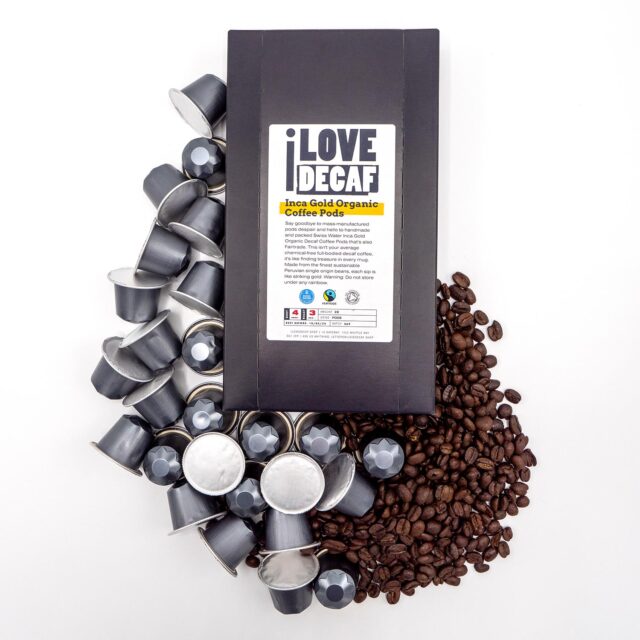
  1. Inca Gold Organic Decaf Coffee Pods (Swiss Water, Sustainable & Fairtrade) Rated 5.00 out of 5 based on 5 customer ratings (5 customer reviews) Say goodbye to mass-manufactured pods despair and hello to handmade and packed Swiss Water Inca Gold Organic Decaf Coffee Pods that are also Fairtrade. This isn’t your average chemical-free full-bodied decaf coffee; it’s like finding treasure in every mug. Made from the finest sustainable Peruvian single-origin beans, each sip is like striking gold. Warning: Do not store under any rainbow. Pack of 28.
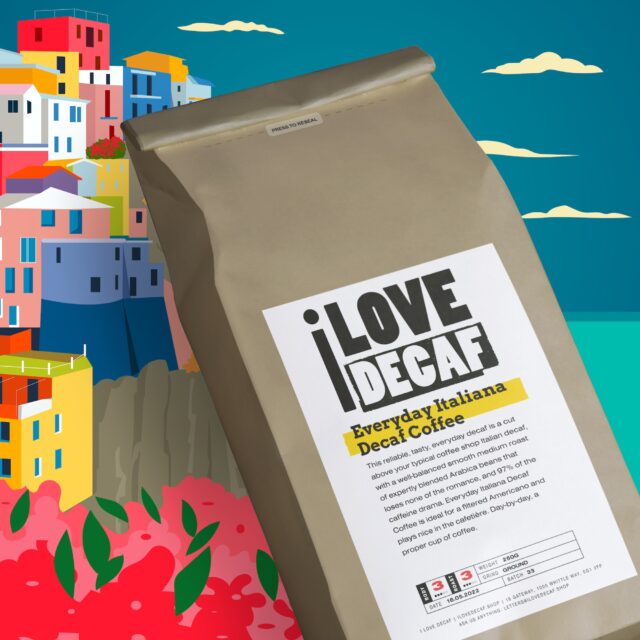
  2. Everyday Italiana Decaf Coffee: This reliable, tasty, everyday decaf is a cut above your typical coffee shop Italian decaf. With a well-balanced smooth medium roast of expertly blended Arabica beans, it retains the romance and flavor profile of traditional Italian decaf while reducing caffeine content. Everyday Italiana Decaf Coffee is ideal for a filtered Americano and plays nicely in a cafetière. Enjoy a proper cup of coffee day by day.
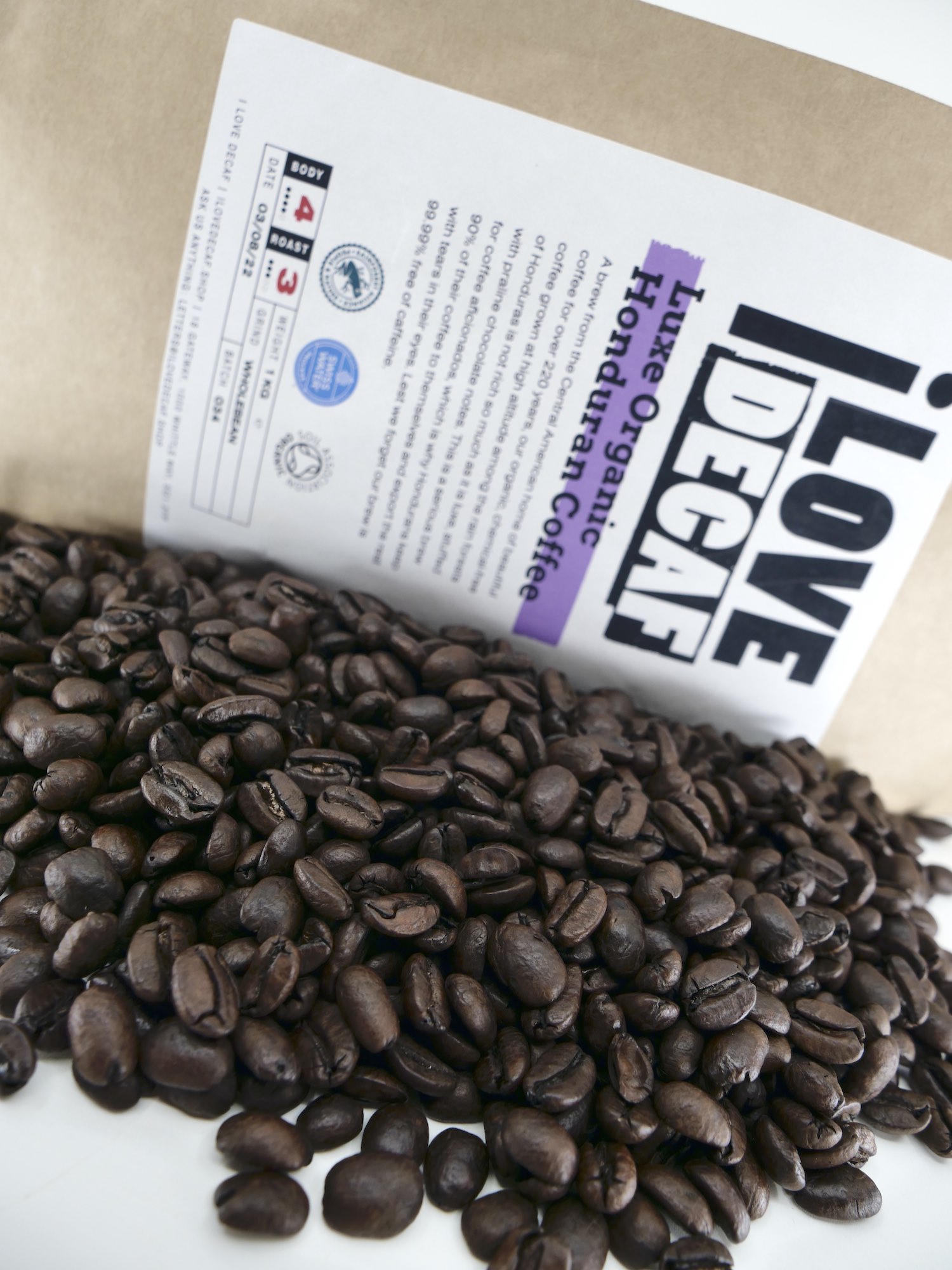
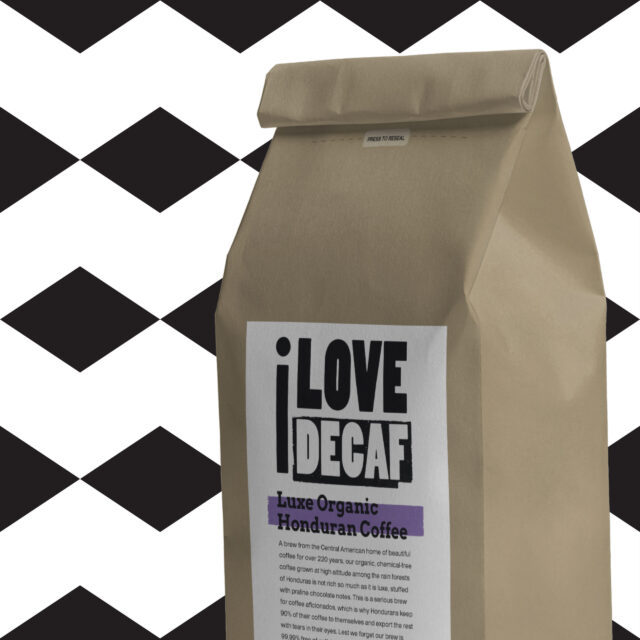
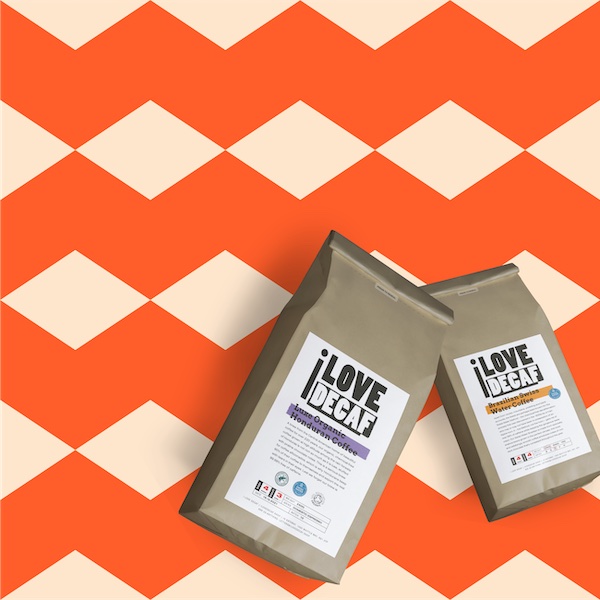
  3. Luxe Organic Swiss Water Honduran Decaf Coffee: Indulge in the luxury of Luxe Organic Swiss Water Honduran Decaf Coffee, a brew from the Central American home of beautiful coffee. Grown at high altitudes in the rainforests of Honduras, this organic, Fairtrade, and chemical-free Swiss Water decaf coffee offers a taste that is more than just rich; it’s an experience filled with praline chocolate notes. No wonder Hondurans keep 90% of it for themselves.
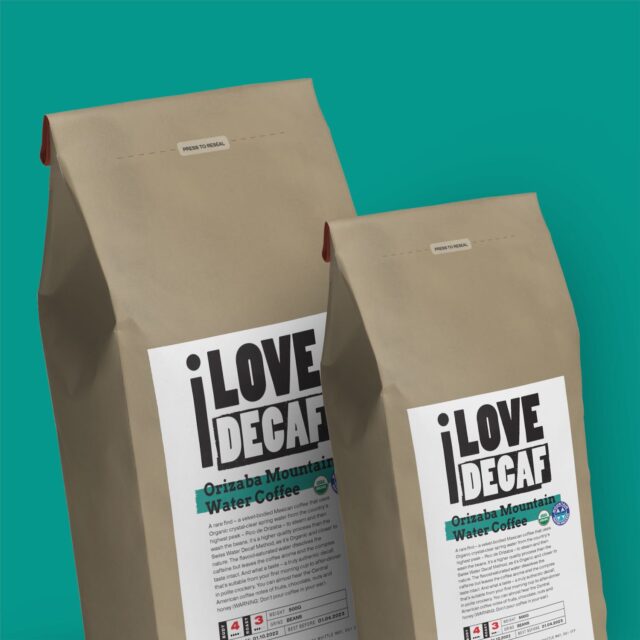
  4. Orizaba Mountain Water Decaf Coffee (Swiss Water Style): Discover a rare gem in the world of decaf coffees: Orizaba Mountain Water Decaf Coffee. This Mexican velvet-bodied coffee stands out from the crowd. Using crystal-clear spring water from Mexico’s highest peak, Pico de Orizaba, this coffee undergoes a high-quality organic decaffeination process. What remains is an authentic-tasting decaf with a complex flavor profile. Immerse yourself in the notes of fruits, chocolate, nuts, and honey.
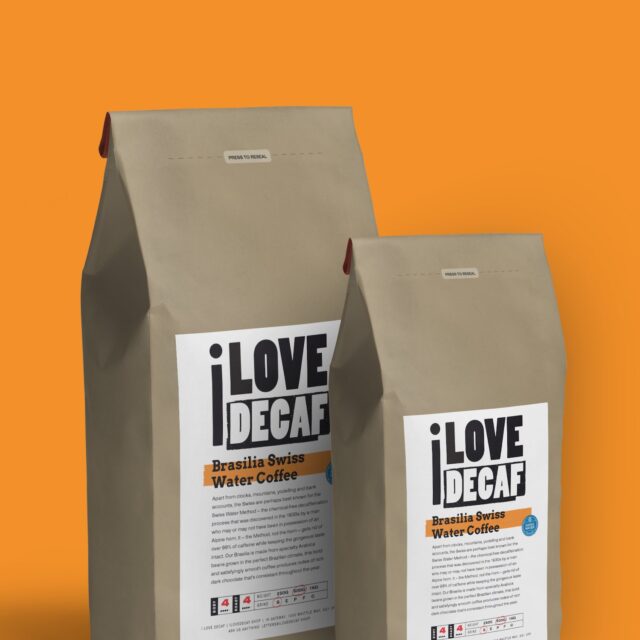
  5. Natural Brasilia Swiss Water Decaf Coffee: Apart from clocks, mountains, yodelling, and bank accounts, the Swiss are perhaps best known for the Swiss Water Method – the chemical-free decaffeination process discovered in the 1930s. Our Swiss Water Brasilia is made from specialty Arabica beans grown in the perfect climate, producing bold and satisfyingly smooth coffee with consistent notes of rich dark chocolate throughout the year.
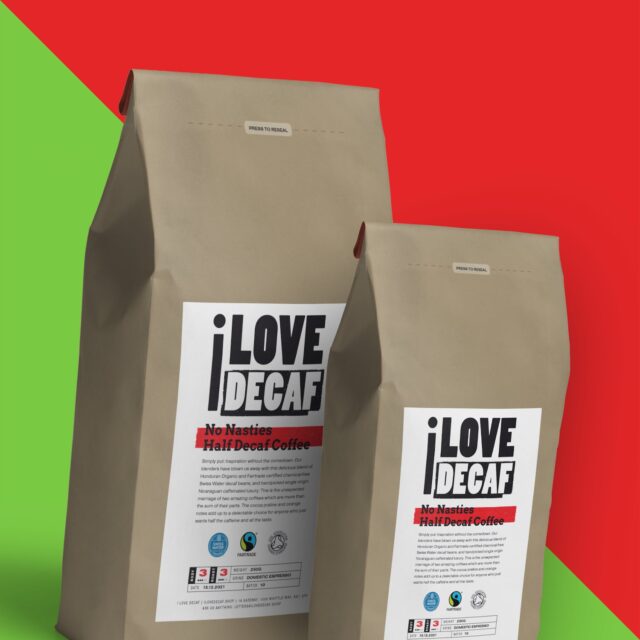
  6. No Nasties Half Decaf Organic Coffee: Inspiration without the comedown is what you’ll find in No Nasties Half Decaf Organic Coffee. Blending Honduran Organic and Fairtrade-certified Swiss Water decaf beans with handpicked single-origin Nicaraguan caffeinated luxury, this unique combination offers half the caffeine but all the taste. With cocoa praline and orange notes, it’s a delectable choice for those seeking a balanced option.
  7. Happy Medium Roasted Decaf Coffee: Indulge in the sumptuous and tasty cup of Happy Medium Roasted Decaf Coffee. Premium Brazilian Santos Arabica beans are medium roasted to perfection, resulting in a well-balanced blend with notes of cocoa and praline. As smooth as a waxed barrister, this expertly blended Arabica mix loses none of the conviction, offering a satisfying coffee experience. Ideal for filtered Americanos and a pleasant companion in a cafetière.

Gone are the days of lackluster decaf coffee options. With the wide range of decaf coffees available today, caffeine-free individuals can enjoy exceptional flavors without compromising taste. Whether you prefer organic, Swiss Water-treated, or unique blends, there is a decaf coffee that suits your palate. Embrace the world of decaf and savor each sip, knowing that great taste can be caffeine-free.