
Side Effects of Caffeine – My Morning Cup Turned My Neck Red
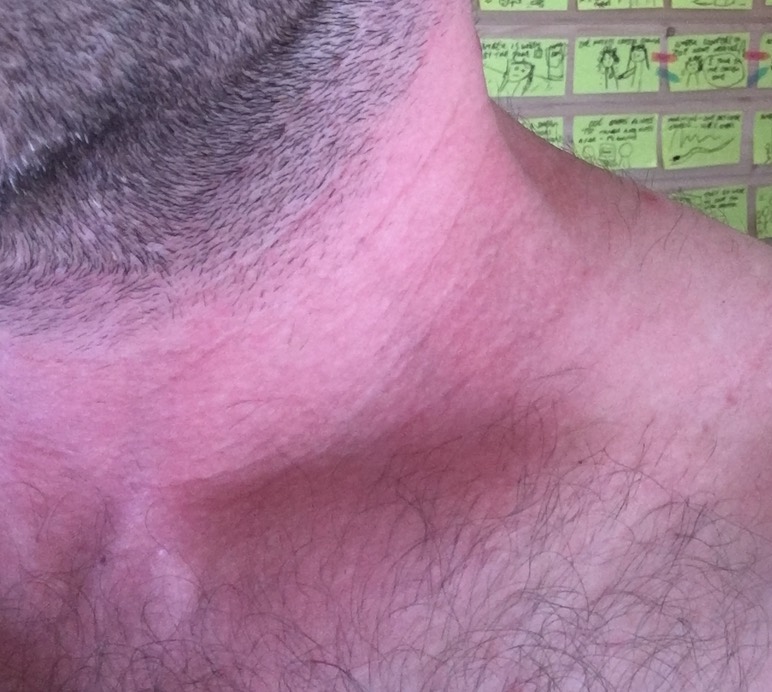
Hey, coffee drinker. What do you picture when you think about the side effects of caffeine? An increased heart rate? A touch more energy, perhaps? A gnarly neck rash that persists like a proverbial red flag? Yeah, that last one was news to me too. As the owner of I Love Decaf and an avid coffee drinker myself, discovering this unexpected caffeine red face was something of a disappointment, and rather more of an education.
How do you know when you are putting too much caffeine into your system? This post is my account of my caffeine crashing journey. What I noticed, how I addressed it, and what the science says about the side effects caffeine consumers should probably be looking out for.
Side effects of caffeine: the backstory
The first thing to mention is that I had been something of a human guinea pig with caffeine and coffee for a good few years. By around 2018 I had become very particular about which extravagant and rare coffees I deemed good enough. Not only did I love the energy kick that caffeine would bring, but I found immense joy in the ritual of that morning cup, or three. Choice, variety, the flavour. These were what made coffee an essential in my book.
Just around the corner, however, those unexpected side effects of caffeine were lying in wait.
Can too much caffeine cause a skin rash? What I noticed

Not to sound dramatic, but the culmination of my caffeine craze was a rollercoaster of pain and inconvenience that I hope never to repeat. I would not wish it on my worst enemy. It all started with a skin flare-up that came and went. Some days it would be bugging me constantly, others it was fairly manageable.
I was spinning a lot of plates at the time. Running this business, raising my children, countless meetings, and dealing with a laundry list of fires that needed putting out each day. I could not commit the time to addressing what amounted to an annoying inconvenience. I picked up a cream that helped fairly well and just got used to sometimes having unhappy skin behind my ears.
All the while, my caffeine connoisseurship continued and the side effects kept bubbling away.
Remember the hottest day of the year in the summer of 2022? Slathered in my cream and sunblock, I ran six miles that day. The exercise was a cinch, but it contributed to the perfect storm. The next day at the beach, the pain I felt on the skin of my neck can only be described as agony. Eye-watering, excruciating pain. This happened a second time during a sunny visit to a car show and I finally concluded that enough was enough. I had to get to the bottom of this.
Identifying what the caffeine was causing
At the time I was not sure what the culprit might be. I was under a fair bit of stress. Bodies are wonderful but they are also weird. Undue pressure, a lack of sleep, nutrition, these could all have been contributing to what I later realised was caffeine red face, or neck, for that matter.
Before pinpointing the effects caffeine was causing I stripped back anything in my diet that might be responsible. I addressed my sleep and methodically removed anything I thought might be adding to my woes. After a painstaking process of trial and error, all that was left was my excess of coffee drinking in the morning and a high-caffeine tea I enjoyed each afternoon.
All it took was five days. After five days of switching to a decaf brew, my skin felt better than it had for ages. The side effects of caffeine had subsided. Can too much coffee cause a skin rash? The answer, in my not-so-ill-informed opinion, is a resounding yes. While I cannot prove it with a double-blind study, I am very confident caffeine was the main source of my issues.
The science backs this up more than I knew at the time. According to the NIH’s StatPearls database, documented mild adverse effects of caffeine include facial flushing, anxiety, restlessness, insomnia, irritability, muscle tremors, tachycardia and gastrointestinal irritation. A study published in PMC found that a sublethal caffeine overload of around 7 to 10 mg per kilogram of body weight causes anxiety, irritability, nausea, tremors, palpitations, flushing and headaches. Flushing, in other words, is not an unusual response to too much caffeine. It is a well-documented one. My neck was not being dramatic. It was communicating.
Caffeine sensitivity can also manifest as itchy skin, rash and increased irritability in those with a genuine caffeine sensitivity, as opposed to simple overconsumption. The CYP1A2 and ADORA2A gene variants both influence how quickly the liver metabolises caffeine. Slow metabolisers feel caffeine’s effects more strongly and for longer, which means the threshold for overload is significantly lower than they might expect from what looks like a perfectly normal number of cups.
What the broader research says about caffeine side effects
My experience was personal, but the pattern is well documented. A cross-sectional study of 4,558 Australians found that the proportion of people reporting indigestion, palpitations, tremor, headache and insomnia increased significantly with mean caffeine intake. Not dramatically, not catastrophically, but measurably and consistently.
Cleveland Clinic notes that caffeine sensitivity impacts the central nervous system and can cause the heart to race, increase blood pressure and produce heart palpitations. A survey of several hundred physicians found that 94 per cent recommended reducing or stopping caffeine for patients complaining of palpitations, which is a remarkable level of consensus in a profession that agrees on very little. General Hospital Psychiatry found that caffeine can exacerbate symptoms of anxiety and panic disorders, with 51.1 per cent of participants in one study experiencing a panic attack after consuming caffeine but not after taking a placebo.
The UK Food Standards Agency advises adults to stay below 400 mg of caffeine per day. That is roughly three to four regular cups of coffee. The problem is that caffeine accumulates across the day from sources people do not always account for: tea, cola, chocolate, some painkillers, energy drinks and even some cold and flu medications. If you are hitting 400 mg before lunchtime and wondering why your neck looks like a weather map, the arithmetic is doing some of the work for you.
Goodbye caffeine red face, hello decaf
So there we have it. The side effects of caffeine are much more than first meets the eye, at least in my personal experience. I am not here to give medical advice, but I do think it is important to share the story. Reducing my caffeine intake cleared up far more than just a painful rash.
The other effects caffeine abstinence helped with included:
- My energy levels became far more predictable with fewer spikes and crashes
- My irritability improved enormously
- My sleep quality got a welcome boost
- The heart palpitations stopped
These are not unusual outcomes. They are exactly what the research would predict for someone who had been running their system on more caffeine than it was happily processing.
What to do if caffeine is causing you problems
If any of the above sounds familiar, the obvious first step is to cut down gradually rather than stopping abruptly. Caffeine withdrawal symptoms, which include headaches, fatigue and irritability, typically begin 12 to 24 hours after the last intake and peak within one to two days. Tapering off slowly sidesteps most of that.
Switching to decaf coffee rather than quitting coffee altogether is a genuinely practical way to do this. You keep the ritual, you keep the taste, you keep the warmth of the thing, and you remove the pharmacologically active ingredient that is causing the problem. We use the Swiss Water Method to gently remove caffeine without compromising on flavour or quality. It is the method I trust and the one I would point anyone to who wants to know that what they are drinking is genuinely clean.
If you are not ready to go full decaf, herbal and fruit infusions and decaf tea are also naturally very low in caffeine or caffeine-free entirely, which gives you plenty of options for the parts of the day when you want something warm without adding to the day’s running total.
I love coffee with a capital L and whether your brew of choice is caffeinated or not, I think you should enjoy it in whatever way works for you. That said, if the time comes when you feel you might like to cut back, I Love Decaf offers a range that I could not be prouder of. There’s one thing I was unwilling to give up with my coffee and that was the ritual. Choosing different beans, preparing them just how I like them, savouring every last sip. I do not have to give any of that up anymore.
Frequently asked questions
Can too much caffeine cause a skin rash?
Caffeine sensitivity and caffeine allergy can both produce skin symptoms including flushing, rashes and hives. Facial and neck flushing is a documented mild adverse effect of excess caffeine intake according to NIH research. If you notice skin reactions that correlate with coffee or caffeine consumption, reducing your intake or switching to decaf is a reasonable first step. See your GP if symptoms persist.
What are the most common side effects of too much caffeine?
According to NIH StatPearls, mild adverse effects of caffeine include anxiety, restlessness, insomnia, facial flushing, increased urination, irritability, muscle tremors, elevated heart rate and gastrointestinal irritation. These effects are dose-dependent and vary significantly between individuals depending on caffeine metabolism speed.
How do I know if I am caffeine sensitive?
Caffeine sensitivity manifests as a racing heartbeat, headaches, nausea, anxiousness and difficulty sleeping, often at doses that other people tolerate without any issue. It is partly genetic. Variations in the CYP1A2 gene affect how quickly the liver processes caffeine. Slow metabolisers experience stronger and longer-lasting effects from the same amount. If small amounts of coffee produce noticeable symptoms, sensitivity is likely.
Does switching to decaf help with caffeine side effects?
Yes, for most people. Decaf contains only 2 to 15 mg of caffeine per cup compared to 80 to 140 mg in regular coffee. Removing most of the caffeine removes the primary driver of the side effects associated with overconsumption or sensitivity, while keeping the ritual, taste and antioxidant benefits of coffee intact.
How long does it take for caffeine side effects to improve after cutting down?
Most people notice improvement within five to seven days of significantly reducing caffeine intake. Withdrawal symptoms such as headaches and fatigue typically peak within one to two days and resolve within a week. Tapering gradually rather than stopping abruptly minimises withdrawal effects considerably.
Sources
- NIH StatPearls: Caffeine, adverse effects and toxicity
- PMC: Caffeine intoxication, symptoms and dose thresholds
- PubMed: Caffeine consumption and symptoms including palpitations, tremor, headache and insomnia (cross-sectional study of 4,558 adults)
- Cleveland Clinic: Caffeine sensitivity, symptoms and causes
- Live Science: Signs you might have a caffeine sensitivity
- UK Food Standards Agency / GOV.UK: Food additives (caffeine advice)
{
“@context”: “https://schema.org”,
“@type”: “FAQPage”,
“mainEntity”: [
{
“@type”: “Question”,
“name”: “Can too much caffeine cause a skin rash?”,
“acceptedAnswer”: {
“@type”: “Answer”,
“text”: “Caffeine sensitivity and caffeine allergy can both produce skin symptoms including flushing, rashes and hives. Facial and neck flushing is a documented mild adverse effect of excess caffeine intake according to NIH research. If you notice skin reactions that correlate with caffeine consumption, reducing your intake or switching to decaf is a reasonable first step.”
}
},
{
“@type”: “Question”,
“name”: “What are the most common side effects of too much caffeine?”,
“acceptedAnswer”: {
“@type”: “Answer”,
“text”: “Mild adverse effects of caffeine include anxiety, restlessness, insomnia, facial flushing, increased urination, irritability, muscle tremors, elevated heart rate and gastrointestinal irritation. These effects are dose-dependent and vary significantly between individuals depending on caffeine metabolism speed.”
}
},
{
“@type”: “Question”,
“name”: “How do I know if I am caffeine sensitive?”,
“acceptedAnswer”: {
“@type”: “Answer”,
“text”: “Caffeine sensitivity manifests as a racing heartbeat, headaches, nausea, anxiousness and difficulty sleeping, often at doses that other people tolerate without any issue. It is partly genetic. Variations in the CYP1A2 gene affect how quickly the liver processes caffeine. If small amounts of coffee produce noticeable symptoms, sensitivity is likely.”
}
},
{
“@type”: “Question”,
“name”: “Does switching to decaf help with caffeine side effects?”,
“acceptedAnswer”: {
“@type”: “Answer”,
“text”: “Yes, for most people. Decaf contains only 2 to 15 mg of caffeine per cup compared to 80 to 140 mg in regular coffee. Removing most of the caffeine removes the primary driver of the side effects associated with overconsumption or sensitivity, while keeping the ritual, taste and antioxidant benefits of coffee intact.”
}
},
{
“@type”: “Question”,
“name”: “How long does it take for caffeine side effects to improve after cutting down?”,
“acceptedAnswer”: {
“@type”: “Answer”,
“text”: “Most people notice improvement within five to seven days of significantly reducing caffeine intake. Withdrawal symptoms such as headaches and fatigue typically peak within one to two days and resolve within a week. Tapering gradually rather than stopping abruptly minimises withdrawal effects considerably.”
}
}
]
}