Is Decaf Safe for Kids
You are a parent. You already know caffeine is a nutritional desert. We have all heard sugary foods called empty calories, but caffeine cannot even claim the calories.
Then one of your offspring catches you mid sip, eyes the mug like it contains liquid wisdom, and asks for a go. You drink decaf. You still hesitate. So is decaf actually fine for children, or are we quietly kidding ourselves?
The short answer is yes. The longer answer involves some genuinely interesting biology, a couple of regulators in lab coats and a quiet word about the chocolate digestive your eight year old just ate behind the sofa.
The short answer first
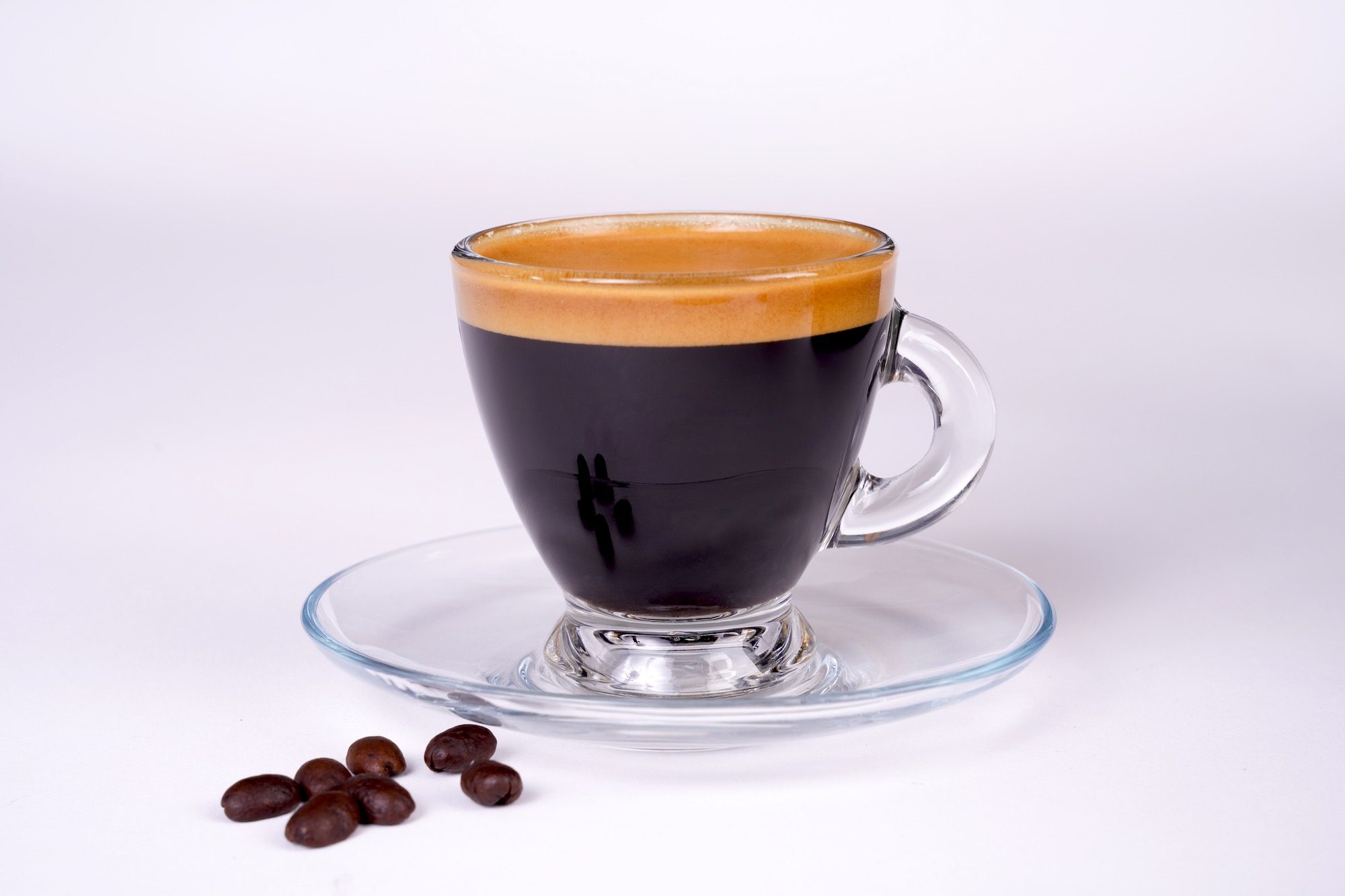
A standard 8 oz cup of decaf coffee contains roughly 2 to 7 mg of caffeine. The most cited measurement study, McCusker and colleagues at the University of Florida College of Medicine, analysed nine decaf samples and found a range of 0 to 13.9 mg in a 16 oz serving (Journal of Analytical Toxicology, 2006). The Swiss Water process and similar specialty methods used across most of the I Love Decaf range strip out 99 percent or more of the original caffeine, putting our cups at the gentle end of that range.
Compare that with the rest of the kitchen:
- Filter coffee, 8 oz: around 80 to 100 mg
- Black tea, 8 oz: around 30 to 50 mg
- Cola, 330 ml can: around 32 to 40 mg
- Hot chocolate, 12 oz: around 10 mg
- Milk chocolate, 30 g bar: around 6 to 10 mg
- Dark chocolate, 30 g bar: 20 to 50 mg
A few sips of decaf for a curious six year old is, scientifically speaking, a non event.
How children actually process caffeine
Here is the bit your GP probably never mentioned. Caffeine is metabolised in the liver, almost entirely by a single cytochrome P450 enzyme called CYP1A2. Roughly 80 to 90 percent of the caffeine you drink is broken down by this enzyme into paraxanthine, which is then cleared through the kidneys.
In healthy adults the half life of caffeine sits at around 5 hours, with a normal range of 1.5 to 9.5 hours. Crucially, EFSA noted that in children over the age of nine, caffeine clearance is at least as fast as in adults, which is why they felt confident applying adult derived safe levels to older children. Newborns are a different planet entirely. A premature infant has a caffeine half life of up to 100 hours, which is why a flat white anywhere near a maternity ward is a war crime.
For a school age child with a working liver, the trace caffeine in a cup of decaf is broken down without drama. The real issue is dose, not biology.
What the regulators actually say
The European Food Safety Authority published its Scientific Opinion on the Safety of Caffeine in 2015, and it is still the reference document for the EU and UK. EFSA concluded:
- Children and adolescents aged 3 to 18: up to 3 mg of caffeine per kg of body weight per day is of no concern
- Doses above roughly 1.4 mg per kg taken close to bedtime may lengthen sleep latency and reduce sleep duration in some children
For a 30 kg seven year old, the 3 mg per kg daily ceiling works out at 90 mg of caffeine. That is roughly 18 cups of decaf coffee, or 30 milk chocolate digestives, neither of which any sensible parent is planning to serve on a Tuesday afternoon.
The American Academy of Pediatrics goes further. It recommends that children under 12 avoid caffeinated drinks altogether and that adolescents stay below 100 mg per day. Health Canada gives a working ceiling of 2.5 mg per kg per day for teenagers. All three frameworks leave a generous moat around the milligram or two in a mug of decaf.
The hidden caffeine you actually need to think about
The caffeine maths in most family kitchens is not being upset by tea or coffee. It is being quietly run up by:
- Cola and other dark fizzy drinks
- Iced tea, which can sit anywhere from 15 to 70 mg per bottle depending on brand
- Hot chocolate and chocolate biscuits
- Cocoa cereals and chocolate flavoured yoghurts
- The occasional bar of dark chocolate, which packs a surprising punch
- Some over the counter painkillers, which add 30 to 65 mg per dose
Drop a child onto a sofa with a hot chocolate at 6pm, a chocolate bar at 7pm and a bedtime story at 8pm and the maths starts to add up. A mug of decaf in that line up is the calmest thing on the menu.
Two rules the science actually supports
- Dose by body weight, not age. The EFSA limit is in mg per kg for the same reason your bottle of Calpol is dosed by weight: small humans need smaller numbers
- Avoid caffeine close to bedtime. The 1.4 mg per kg threshold for disturbed sleep in children is well documented, so a regular cola at 7pm is a worse idea than a mug of decaf at the same time
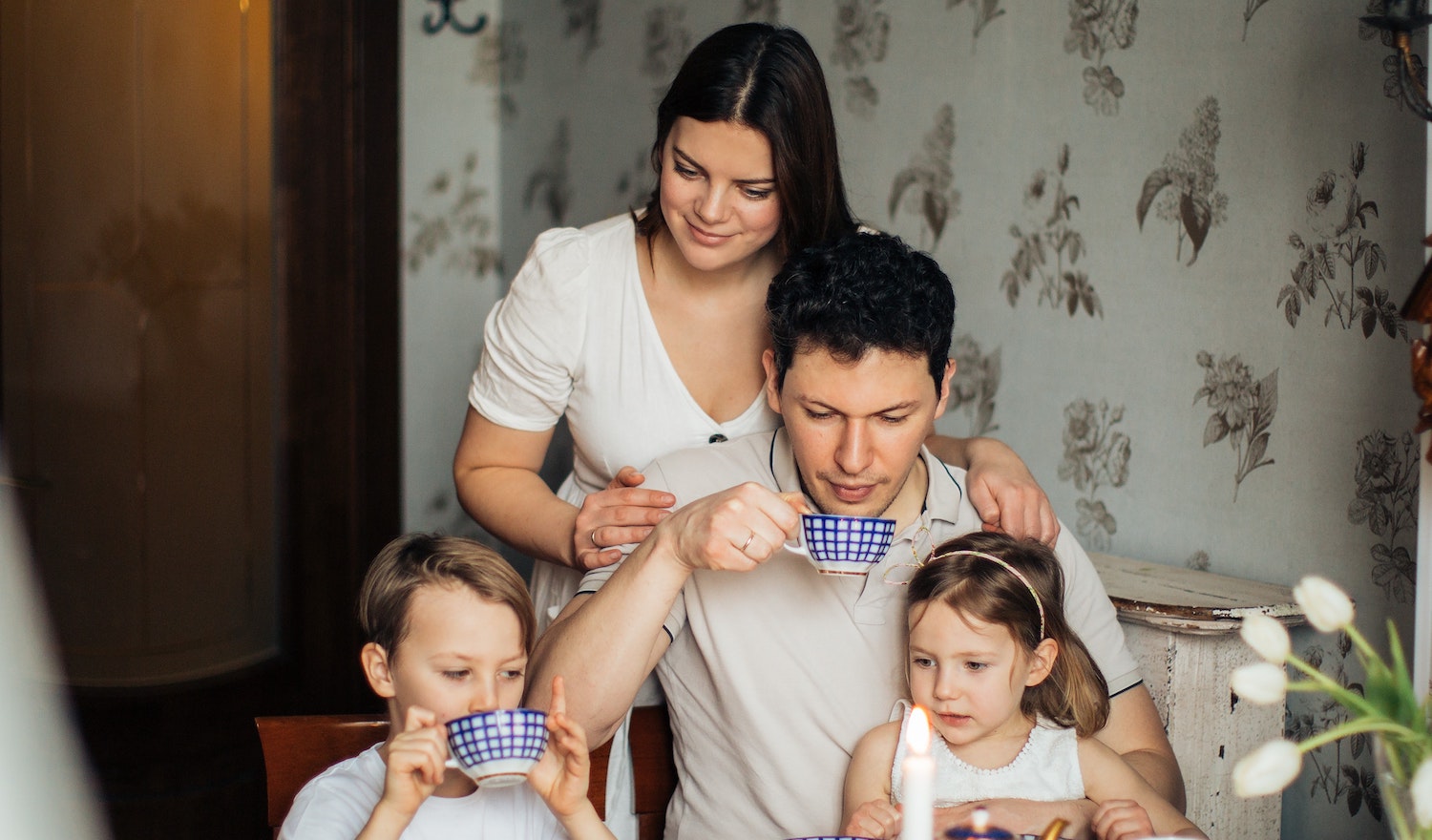
For older children who are curious and well behaved enough to share a cup with you, a mug of our decaf coffee or decaffeinated tea sits comfortably inside every published guideline.
The bottom line
If the small humans go full kaboom at 8pm, the prime suspects are sugar, screen light, e numbers and the chocolate bar that travelled home in a blazer pocket. The cup of decaf you let them try at the kitchen table is, in the polite language of EFSA, of no concern.
Pour yourself another. The evidence is on your side.
Sources cited
- EFSA NDA Panel, Scientific Opinion on the Safety of Caffeine, EFSA Journal 2015, 13(5):4120
- McCusker, Fuehrlein, Goldberger, Gold and Cone, Caffeine Content of Decaffeinated Coffee, Journal of Analytical Toxicology, 2006, 30(8): 611 to 613
- American Academy of Pediatrics, guidance via HealthyChildren.org
- Health Canada caffeine intake guidance for children and adolescents
- StatPearls, Caffeine, NCBI Bookshelf, 2024 update on pharmacokinetics and CYP1A2 metabolism