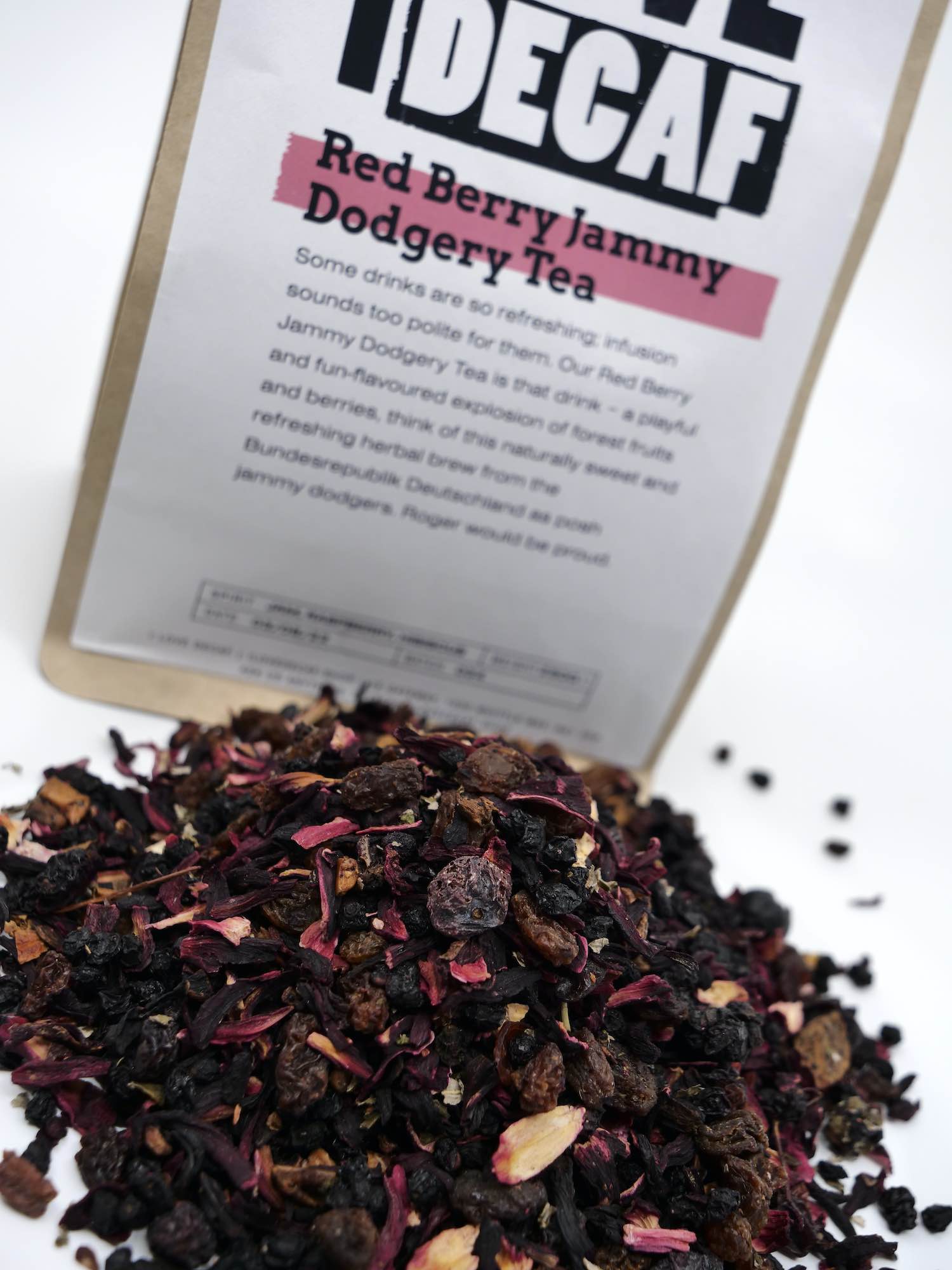
Herbal teas are infusions made from plants other than the traditional tea plant, and many are naturally caffeine-free. Their flavours range from peppermint to rooibos and hibiscus. None should be sold with a blanket promise to improve heart health, boost immunity or cure stress.
Some older articles recommend herbal infusions for almost everything. A better reason to buy one is that you enjoy the taste and want a hot or cold drink suited to your routine. Here is what the label can tell you and where it needs checking.
What is the difference between herbal tea and ordinary tea?
Black, green and oolong teas come from Camellia sinensis, a plant that naturally contains caffeine. Herbal or fruit infusions typically contain peppermint, chamomile, rooibos, fruit or other ingredients. Many are naturally caffeine-free, but the label needs to be read carefully.
The UK Tea & Infusions Association explains that some infusions may contain caffeine-bearing ingredients such as yerba mate, guarana or kola nut. A packet described as ‘herbal’ does not by itself guarantee zero caffeine.
What does peppermint tea taste like?
Pure peppermint produces a minty, refreshing infusion. It contains no caffeine naturally when the ingredients are simply peppermint leaves. A ‘mint green tea’ is different because it may contain ordinary green tea.
Try the brewing time stated on the product and adjust to the intensity you like. More time in the water can make the infusion taste stronger, but does not add caffeine to pure peppermint.
What is rooibos?
Rooibos comes from Aspalathus linearis, a South African shrub. It produces a distinctive red-brown infusion and is naturally caffeine-free. Some people enjoy it with milk and others drink it plain.
A rooibos blend may include other ingredients, so check the full list if you have allergies or particular dietary requirements. The word ‘rooibos’ does not establish every characteristic of an added flavouring.
Can chamomile help you sleep?
Chamomile is commonly enjoyed as a mild floral infusion, particularly in the evening. However, there is a difference between a comforting routine and a medical treatment. We cannot promise that a cup of chamomile cures insomnia or produces a measurable sleep improvement for every person.
The NHS sleep guidance covers consistent routines, caffeine timing and other practical factors. It is a more appropriate basis for health advice than a tea retailer’s promotional description.
Are herbal infusions suitable for everyone?
Not automatically. Botanical ingredients can matter for allergies, pregnancy, medicines and some medical conditions. The NHS advises limiting certain herbal teas during pregnancy and avoiding liquorice root. Advice also differs for babies and young children.
If you are pregnant, taking medication or considering a herbal product because of an illness, use qualified advice and check the ingredient list. Naturally caffeine-free does not mean clinically suitable for everybody.
How to make a satisfying herbal infusion
- Use the water temperature and steeping time recommended for the product
- Check the ingredients rather than relying only on a flavour name
- Try a simple, unblended infusion first if you want to know what the plant tastes like
- Store dried herbs sealed, cool and dry to protect their aroma
- For iced tea, brew safely, cool appropriately and refrigerate rather than leaving it warm all day
Our four naturally caffeine-free infusions guide explains peppermint, rooibos, chamomile and hibiscus. Explore herbal and fruit tea for the current range and ingredients.
Frequently asked questions
Is all herbal tea caffeine-free? No. Some blends contain caffeine-bearing botanicals or traditional tea leaves.
Does herbal tea treat high blood pressure? A general infusion cannot be marketed as a proven treatment on the evidence presented here.
Is herbal tea safer than decaf coffee? These are different drinks. Suitability depends on ingredients, circumstances and any relevant professional advice.
Sources
Reviewed October 2026 using the UK Tea & Infusions Association, NHS pregnancy guidance and NHS sleep advice. No health-treatment, immunity or disease-prevention outcomes are claimed for products.